Mass Timber, Zoo Parking, and the Mechanics of Affordable Housing
How this was made Verified AI
Every Intellegix briefing is generated from that day's broadcast and run through automated checks before it publishes — with a human paged on any flag. Here is the trail for this edition.
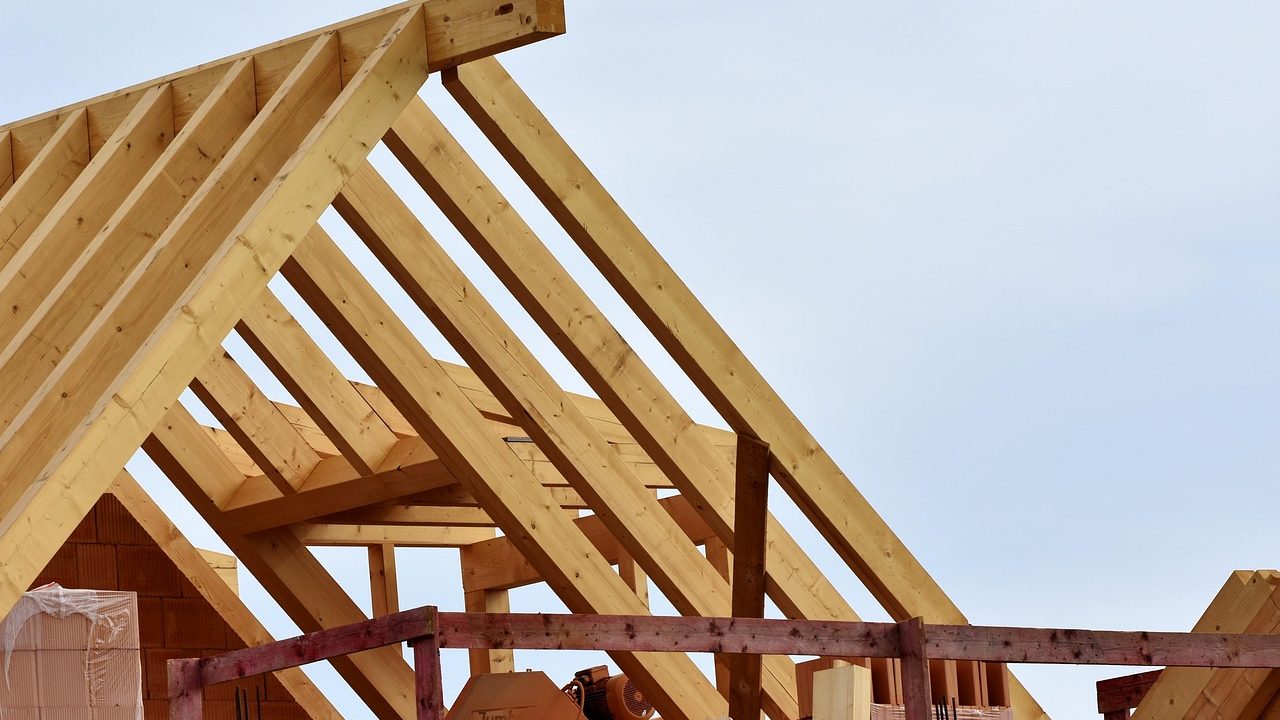
Father Joe's Villages broke ground Thursday on an eight-story, 124-unit affordable housing development at 16th and Island in East Village — and the story is as much about method as it is about units. The project, scheduled for completion in March 2028, would be San Diego's first affordable housing development built with mass timber: engineered wood components fabricated off-site and assembled into structural panels and beams.
Developer Jodi Rothery made the case that off-site fabrication allows work to proceed on- and off-site simultaneously, compressing the construction timeline and reducing costs. In affordable housing, where every dollar of construction cost translates directly into how many units can be built and how deeply affordable they can be, a method that demonstrably lowers per-unit costs could carry significant implications well beyond this single project.
The San Diego Zoo announced a parking decision Friday that will affect every visitor starting January 1st: paid parking will remain permanent at the zoo even as the city eliminates paid parking elsewhere in Balboa Park. Beginning January 1, 2027, city of San Diego residents will qualify for free zoo parking, and members receive complimentary parking regardless of residence. All other visitors — including county residents outside city limits and out-of-towners — face charges of sixteen dollars for a standard vehicle and forty-four dollars for oversized vehicles. For families in East County cities such as Santee, La Mesa, or El Cajon — county residents who fall outside city limits — that means no resident exemption applies.
Elsewhere in city finances, the council voted six to two Tuesday to restructure residential water rates, replacing tiered rates with a uniform volumetric rate as required by the settlement in the Patz v. City of San Diego case, effective January 1st. How individual households' bills change will depend on usage patterns. The city is also planning to structurally lower Hodges Dam by 35 feet to address flood risk, at an estimated cost of thirty to fifty million dollars over seven years — a project still in planning and approval phases with no construction contract awarded and no confirmed start date.