Congress Moves to Block Data Center on Navy's 70-Acre Old Town Site
How this was made Verified AI
Every Intellegix briefing is generated from that day's broadcast and run through automated checks before it publishes — with a human paged on any flag. Here is the trail for this edition.

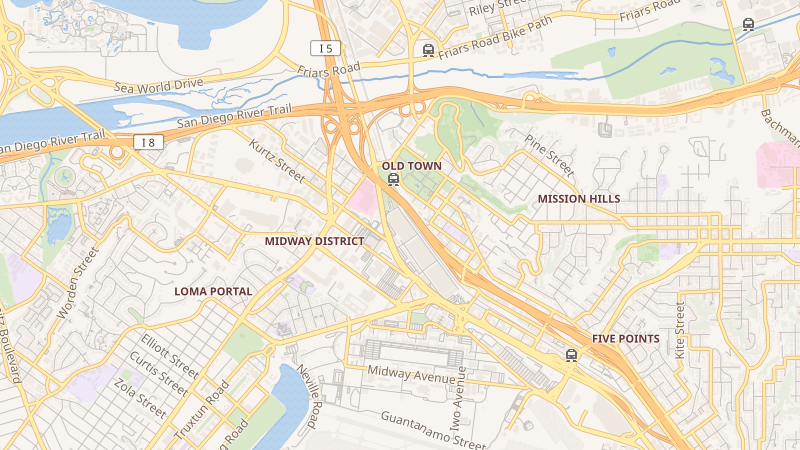
The battle over San Diego's NAVWAR redevelopment site escalated sharply this week, drawing in both city hall and the region's congressional delegation in a coordinated display of opposition to a proposed 400-megawatt data center on the 70-acre Navy installation in Old Town.
On October 27th, the City Council unanimously adopted a 45-day moratorium — ordinance O-22152 — pausing new data-center development, establishment, intensification, or expansion across the city. The measure is temporary, not a permanent ban, but it signals the city's intent to establish actual land-use rules around the industry before development outpaces regulation. Mayor Todd Gloria has aligned with the council in opposing the data-center proposal for the NAVWAR site.
Then, on October 29th, four of San Diego's congressional representatives — Sara Jacobs, Mike Levin, Scott Peters, and Juan Vargas — announced their opposition and pledged to introduce legislation that would require local government consultation before any development could proceed on the site. That remains a legislative pledge, not an enacted restriction. Congressmember Jacobs has argued the NAVWAR site was always intended to return housing and public space to the community, and that a data center would fail that promise while potentially raising electricity rates and affecting air and water quality — concerns stated by opponents and not independently established by the underlying reporting.
At 400 megawatts, the proposed facility represents a significant draw on the regional electrical grid, and that power consumption sits at the heart of opponents' objections. Advocates for data-center development argue the infrastructure is necessary to support the broader economy, but critics counter that prime infill land adjacent to transit is simply the wrong location. The city's 45-day moratorium buys time to develop a framework that could distinguish between those contexts. The concrete indicators to watch: whether the congressional legislation is formally introduced, and whether the moratorium produces a draft land-use framework before it expires.