System Down, Bags in Hand: Airport Chaos Meets a Transit Vote Nineteen Years in the Making
How this was made Verified AI
Every Intellegix briefing is generated from that day's broadcast and run through automated checks before it publishes — with a human paged on any flag. Here is the trail for this edition.
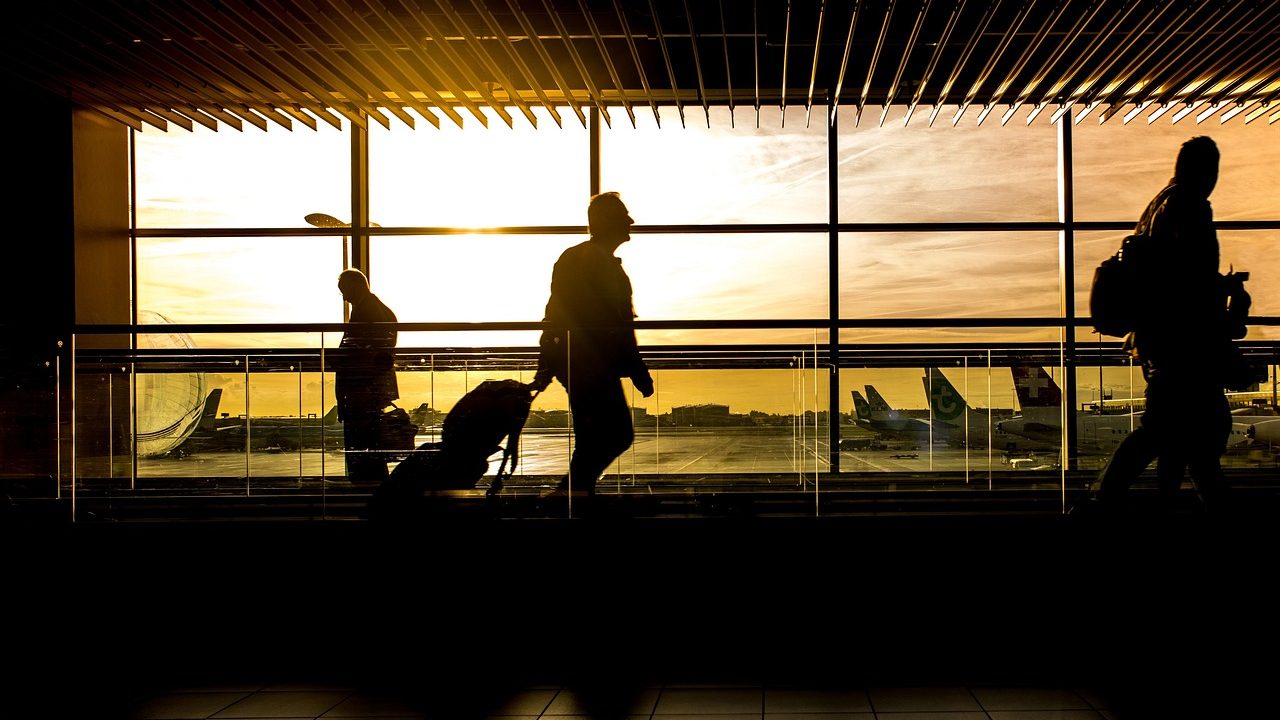
A technical failure struck San Diego International Airport on Tuesday, forcing airline staff to revert to manual check-in processing as lines snaked through terminals and passengers scrambled for information. Flight operations themselves were not affected — runways and air traffic control continued normally — but the check-in disruption was, by any measure, genuinely disruptive. As of early Wednesday, residual arrival and departure delays appeared modest, running roughly 15 minutes or less, though travelers were advised to check airline status apps and arrive with extra buffer time.
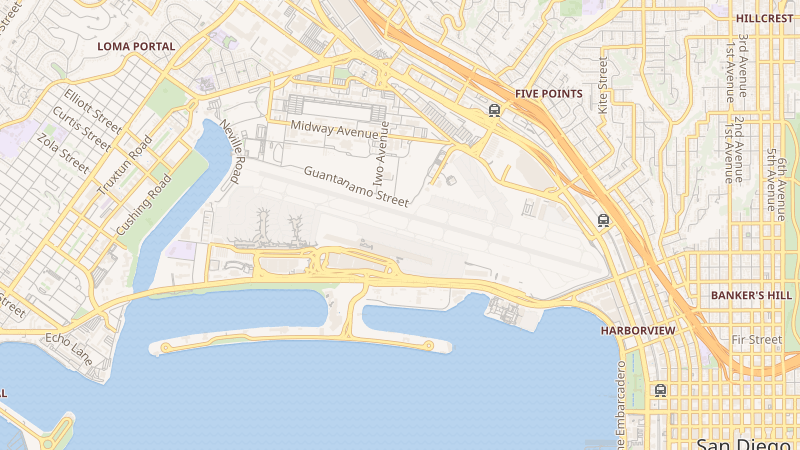
The timing sharpened an already pressing regional debate. On the same day travelers lined up inside a stalled terminal, the San Diego Association of Governments moved its airport transit connection project into what officials described as a more decisive phase. San Diego has no direct rail connection to its primary airport — travelers rely almost entirely on congested surface streets and personal vehicles — and the region has been studying how to fix that since 2007.
After nineteen years of analysis, SANDAG has narrowed 17 concept options to five finalists: three automated people movers running on elevated, dedicated guideways, and two trolley extensions linking the airport to either downtown's Santa Fe Depot, the Convention Center, or the 12th Avenue and Imperial Transit Center. The cost range is wide and sobering. Trolley extensions are estimated at $1.2 billion to $1.9 billion; the least expensive people-mover concept runs $1.8 billion to $2.8 billion — meaning even the cheapest automated option costs more than the priciest rail alternative.
County Supervisor Joel Anderson and City Councilmember Sean Elo-Rivera pushed the committee to pursue not merely a request for information from potential builders, but a concurrent request for proposals — actual construction bids. The committee approved the dual approach by a 6-to-2 vote. The urgency is specific: a $350 million airport transit allocation exists, and that money is reportedly at risk if the region cannot present a project ready to build by 2029. SANDAG CEO Mario Orso cautioned that environmental review alone takes years and that litigation risk around major California transit projects is real — characterizing a three-year runway to a shovel-ready project as, at best, aggressive.
The economic stakes extend well beyond commuter convenience. The airport serves as the primary gateway for San Diego's tourism industry, convention economy, and business travel sector. Every year of continued delay is generally a year of higher construction costs, and the five surviving concepts represent the beginning of a harder conversation about which one to build — and how to finance the several billion dollars that $350 million alone cannot cover.