ICE Detains Two U.S. Citizens, Ash Street Heads Toward Housing, and Crypto ATMs Face New Rules
How this was made Verified AI
Every Intellegix briefing is generated from that day's broadcast and run through automated checks before it publishes — with a human paged on any flag. Here is the trail for this edition.
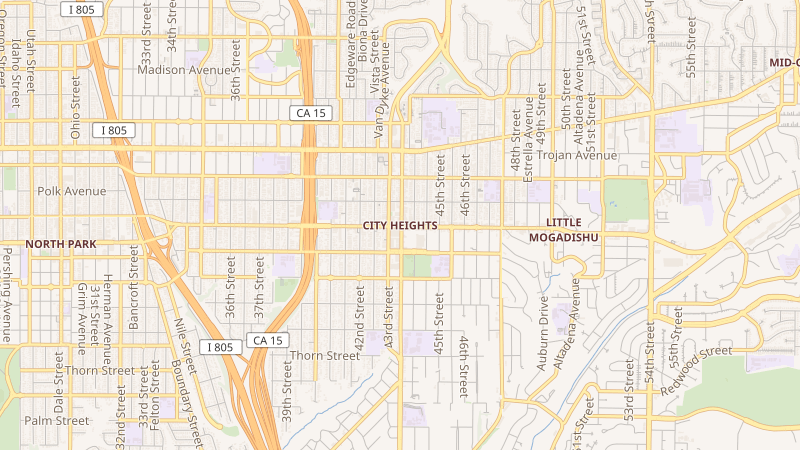
Two U.S. citizens — both women — were detained by Immigration and Customs Enforcement near a grocery store in City Heights on Tuesday. Witnesses described a confrontation with immigration agents. The Department of Homeland Security characterized the women as, in the agency's phrasing, "agitators attempting to impede operations." After officers interviewed both women, they were released without charges. The episode highlights a contested and unresolved legal question playing out in courts nationally: what rights U.S. citizens have to observe or document immigration enforcement actions, and what conduct constitutes unlawful interference. In San Diego, where immigration enforcement activity has been intensive this summer, the City Heights incident is unlikely to be the last of its kind.
After years of legal battles, empty floors, and political recrimination, the City Council has moved forward with converting the 101 Ash Street downtown office tower into 249 units of affordable housing. The structure involves a 65-year lease under which San Diego retains ownership and receives five percent compound interest on the building's value from the developer. Affordable units would serve households at 30 to 80 percent of area median income. The city is not selling the building — it is extracting long-term value from an asset that had become a source of political liability and no housing. Critics may question whether a different financing structure could have produced deeper affordability or more units; supporters counter that years of seeking alternative outcomes produced nothing, and the opportunity cost of a theoretically better deal is real only if that deal was actually on the table.
A unanimously advanced committee ordinance would, if adopted by the full City Council, require warning signs on or near cryptocurrency ATMs explaining common scams and directing users to city fraud-prevention and reporting resources. If passed, San Diego could become the first California city to mandate this type of consumer warning. Crypto ATMs have become a preferred instrument in fraud schemes targeting older adults in particular, offering near-instant, cash-based, largely irreversible transactions. A warning sign is a low-cost intervention — not a structural solution — but one with a real potential to interrupt a transaction in progress.
The Tijuana River sewage crisis, which the county estimated last week costs the region between one-hundred-and-twenty-five million and five-hundred-and-three million dollars annually, continues to affect South Bay communities in concrete, day-to-day ways. The County Health Department and the CDC are conducting a second door-to-door CASPER survey — Community Assessment for Public Health Emergency Response — in communities near the river, with teams visiting randomly selected homes Friday from 2 to 7 p.m. and Saturday from 10 a.m. to 7 p.m. This follows an initial survey conducted in 2024. The purpose is to track health effects over time in communities living with ongoing sewage contamination — a recognition that this is not a past emergency but a persistent condition.