Sheriff vs. Board, Sewage Reckoning, and the ICE Surge Reshaping Communities
How this was made Verified AI
Every Intellegix briefing is generated from that day's broadcast and run through automated checks before it publishes — with a human paged on any flag. Here is the trail for this edition.
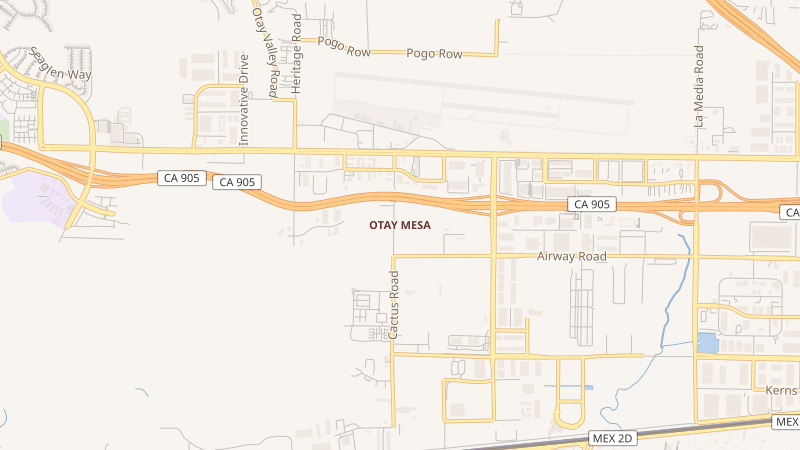
The most consequential governance conflict in San Diego County right now is the open rupture between Sheriff Kelly Martinez and the Board of Supervisors. On August 18th, the Board voted three to two to terminate ICE and CBP training access at Otay Mesa and Camp Elliott. Sheriff Martinez then unilaterally restored CBP access, citing officer recertification requirements and her independent executive authority as an elected sheriff. The Board has not yet taken legal action to compel compliance — leaving the county in an unusual institutional limbo in which an elected official has openly reversed a democratic vote and her colleagues have not yet decided whether to force the issue.
The confrontation is set against a dramatic surge in immigration enforcement across the region. ICE arrests rose nearly fifty percent across San Diego and Imperial counties in July, reaching roughly two thousand arrests in that month alone. Approximately sixty percent of those arrested had no criminal conviction and no pending criminal charge — a figure that has become a fault line in the debate, with law enforcement officials pointing to immigration status as the operative criteria and civil liberties organizations arguing the numbers reveal enforcement well beyond any public-safety rationale. An ICE arrest near San Diego City College — where a student was taken near 16th and C Streets and a second fled onto campus — made the stakes visceral for the college community.
On the Tijuana River, the Board of Supervisors' September 1st vote to build a county-owned sewage-treatment system represents a declaration of political exhaustion after years of waiting for federal or binational intervention. The decision commits the county to a path — permitting, environmental review, and construction timelines measured in years — rather than an immediate fix. For communities along the coast who have endured repeated beach closures and documented respiratory conditions near the river valley, the direction of travel matters even before any ground is broken.
An uncomfortable timing gap looms over that commitment. Forecasters are describing a potentially challenging El Niño fall and winter, and a significant rain event would push far greater sewage volumes through the Tijuana River system at the exact moment the county's new treatment infrastructure does not yet exist. The county's Office of Emergency Services has separately reached out to roughly seven thousand properties identified as vulnerable in flood-prone or steep-slope areas, flagging storm-drain maintenance priorities for fiscal year 2027 — a quiet but significant signal of how seriously officials are taking the seasonal risk ahead.