Market Composure in a Volatile Week: What the S&P's Calm Is and Isn't Telling Us
How this was made Verified AI
Every Intellegix briefing is generated from that day's broadcast and run through automated checks before it publishes — with a human paged on any flag. Here is the trail for this edition.
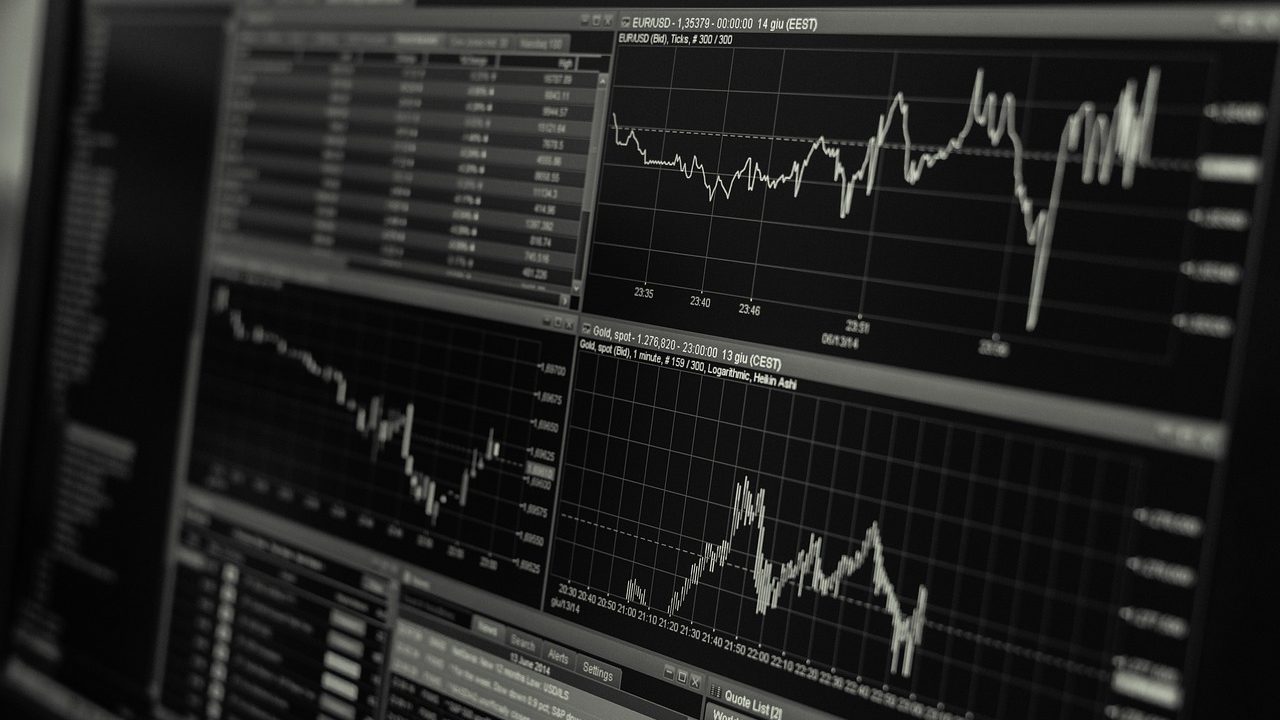
S&P futures sat at 7,728.5 Thursday morning, up approximately eight points or 0.1 percent from the overnight session open — a remarkably composed number for a morning on which military strikes in one of the world's most strategically sensitive waterways had been confirmed. The overnight pattern showed the index opening around 7,702, dipping toward 7,694 in the first hour, then recovering and climbing to 7,728 — a dip-and-recovery arc consistent with an initial risk-off reaction followed by reassessment as markets digested Pezeshkian's restrained language. When an adversary explicitly signals it does not want to return to war, equity markets can trade off that de-escalatory cue.
Equity composure may, however, be masking stress that shows up first in energy markets. Even a modest probability of Hormuz disruption — not a full closure, but increased insurance premiums and rerouting costs for tanker traffic — flows through to global inflation in ways that complicate central bank decisions. The Fed and the ECB are both managing inflation that has come down but has not fully returned to target. An energy supply shock from the Gulf would force a reassessment of the rate-cut trajectory markets have been pricing in.
The ECB succession question connects to the energy risk in a way that is easy to miss. Christine Lagarde's early departure creates a leadership transition precisely when European monetary policy faces a potential energy-inflation complication alongside AI-driven labor market disruption. Those two forces pull in opposite directions for interest rate policy — slowing growth argues for cuts, energy inflation argues for caution. Hernández de Cos, if he takes the position, is a central bank technocrat in the classic mold whose prioritization of institutional credibility and predictability may also mean the ECB is slower to adapt its analytical frameworks to AI's distorting effects on traditional labor market and productivity indicators.
For investors, the combination of AI-driven structural change and geopolitical energy risk suggests that traditional sector correlations may not hold. Technology companies exposed to AI upside are simultaneously exposed to AI governance risk. Energy companies benefit from geopolitical supply concerns but face long-term structural demand risk. Defense companies are positioned as obvious beneficiaries of the security spending environment. And the bond market faces competing forces — growth risk versus inflation risk — that make duration positioning genuinely difficult to call.