Hormuz on the Brink: Military Strikes Inject New Peril Into a Critical Waterway
How this was made Verified AI
Every Intellegix briefing is generated from that day's broadcast and run through automated checks before it publishes — with a human paged on any flag. Here is the trail for this edition.
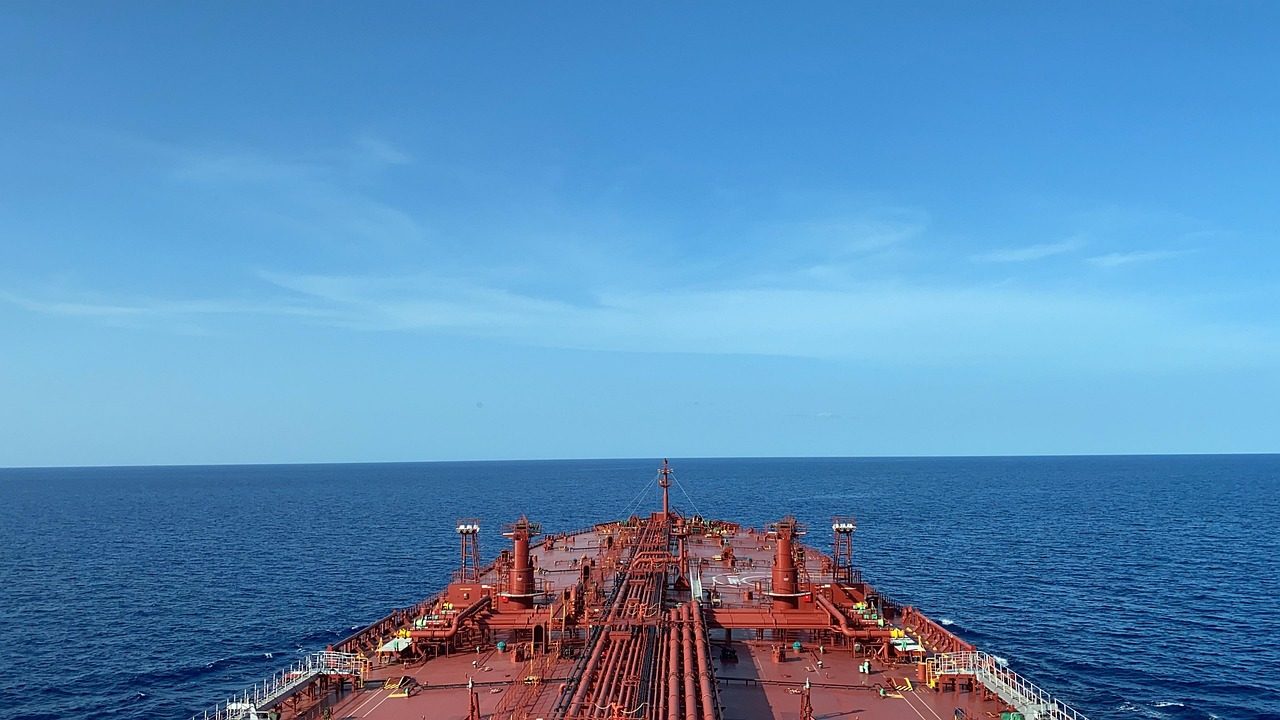
President Trump confirmed that U.S. forces conducted strikes on Iranian targets along the Strait of Hormuz, the narrow waterway — roughly 21 miles wide at its narrowest point — through which approximately 20 percent of global oil supply transits. Thirteen separate sources corroborated the strikes, a significant confirmation threshold, with AFP reporting Trump's public acknowledgment personally.
The timing added acute political complexity. The strikes landed days before U.S. midterm elections, and IPS News reported that diplomatic talks had explicitly stalled. Iranian President Pezeshkian, elected in June on a reformist platform premised on engagement with the West, issued calibrated language urging restraint while Tehran simultaneously warned against any return to full conflict — a statement designed, analysts noted, to hold two contradictory positions at once.
The Strait of Hormuz angle carries particular weight because Iran has previously threatened to close the waterway, an asymmetric leverage point it has wielded for decades. Any military action along that corridor implicitly returns that closure threat to the table, and even a credible threat of disruption would send energy prices in a direction that hurts the global economy at a moment when several major economies are already running thin margins on growth.
The nuclear dimension compounds the risk. The diplomatic talks that stalled were, at least partially, centered on Iran's nuclear program. When those talks collapse and military strikes follow, Iran's hardline faction gains a domestic argument that diplomacy led to military pressure — and that the lesson is to accelerate deterrence rather than negotiate it away. Pezeshkian, whose domestic credibility depends on demonstrating that pragmatic foreign policy can protect Iran, now faces an almost impossible position: restraint without diplomatic return hands the hardliners their argument; escalation forfeits the international space his election was meant to open.
Observers were advised to watch Gulf producers — Saudi Arabia and the UAE — for any public statements on production or transit security, signals of how seriously regional actors are treating escalation risk. Turkey, which has maintained relationships with both Washington and Tehran, was identified as a potential de-escalation channel. Congressional response to military action taken without clear authorization, analysts noted, would cut across partisan lines regardless of midterm outcomes.