Jet Engines Powering AI, and 'Freezer Cyberattacks' Spread Across Europe
How this was made Verified AI
Every Intellegix briefing is generated from that day's broadcast and run through automated checks before it publishes — with a human paged on any flag. Here is the trail for this edition.
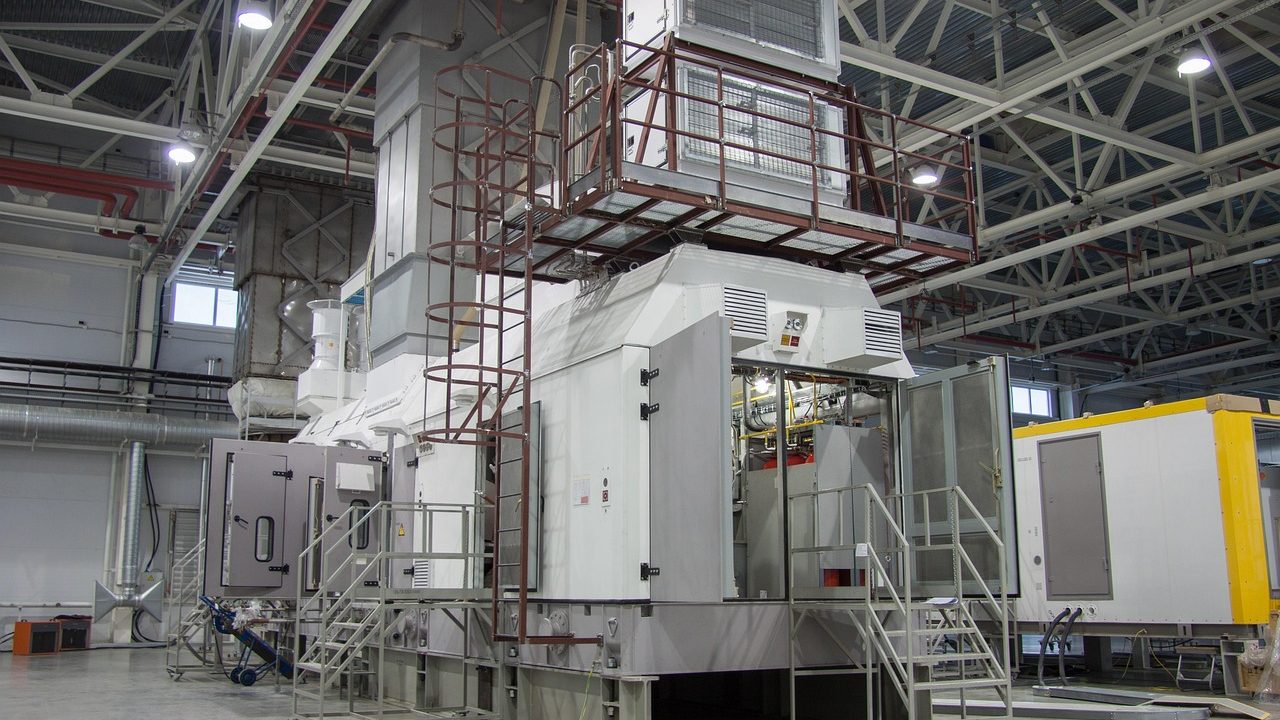
Elon Musk's AI company xAI is reportedly powering its Memphis-area data center with repurposed jet engines — gas turbine generators originally designed for aircraft propulsion, adapted to generate electricity, with the Wall Street Journal confirming the arrangement involves dozens of turbines running simultaneously. The explanation is straightforward: a large AI training facility can consume as much electricity as a small city, and the U.S. electrical grid in many regions cannot supply that power on the timescales that competitive AI development demands. Utility connections that could take three to five years are incompatible with the pace of the field, so companies are going off-grid.
The environmental implications are significant. Jet engines running as stationary power generators burn jet fuel or natural gas and emit carbon dioxide and nitrogen oxides. The efficiency characteristics that make them suitable for aircraft propulsion do not translate cleanly to stationary power generation. This is not a renewable energy story — it is a 'we need power now and this is what is available' story that raises questions about whether the AI infrastructure buildout is compatible with the emissions reduction goals that many of the same technology companies have publicly committed to.
The xAI arrangement also reveals a secondary market dynamic: the company is reportedly sourcing used jet engines, presumably from retired aircraft or engines that have exceeded flight-hours limits. Those assets might otherwise be scrapped. Repurposing them for data center power is a form of industrial asset recycling — but it also signals that the AI industry is consuming industrial resources at a rate that is straining conventional supply chains.
The cyberattack story connects to infrastructure vulnerability from a different angle. The campaign known as the 'freezer cyberattacks' — named for its targets in industrial refrigeration and cold-chain infrastructure — has now spread to Germany, Romania, and the United Kingdom. The simultaneous expansion to three countries suggests a sustained, organized operation rather than opportunistic attacks. Cold-chain systems — controlling temperature management, compressors, and monitoring for industrial freezers — often run on legacy operational technology that was connected to corporate networks as part of digital transformation initiatives but was never designed to be networked and lacks the security controls of standard IT systems.
Disrupting cold storage at scale can destroy pharmaceutical supplies, food stocks, and medical supplies with immediate physical consequences that differ qualitatively from ransomware on office computers. Germany, Romania, and the UK are NATO members with active relationships with U.S. intelligence agencies. Serious infrastructure attacks on multiple member states simultaneously would provoke serious conversations about where the alliance's digital tripwire sits — Article 5 of the NATO treaty does not have a clearly defined threshold for cyberattacks, and attribution, which requires careful analysis, has not yet been confirmed.