Texas, the Red Mirage, and the DOJ's Election-Day Arrests
How this was made Verified AI
Every Intellegix briefing is generated from that day's broadcast and run through automated checks before it publishes — with a human paged on any flag. Here is the trail for this edition.
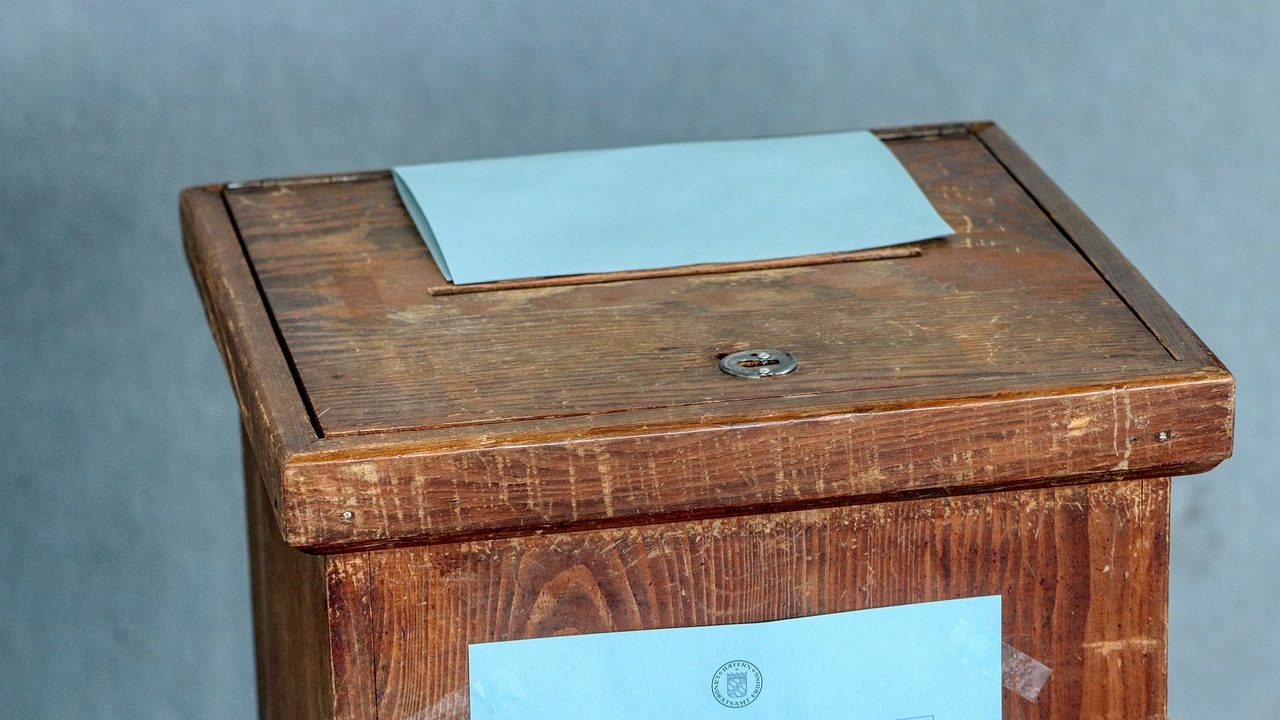
The final New York Times-Siena poll out of Texas showed Democrat Steve Talarico leading Republican Ken Paxton 50 to 43 among likely voters — a seven-point margin that is significant but, analysts caution, not insurmountable given the state's history of polls overestimating Democratic support. Paxton, the former state attorney general who was impeached by the Texas House in 2023 on charges including bribery, obstruction, and abuse of office — the first Texas AG impeached in nearly a century — was acquitted in a Republican-controlled State Senate trial widely described as politically motivated. His Senate candidacy, backed by the MAGA establishment, tests whether base loyalty to Trump-aligned figures can override the traditional political cost of impeachment.
Talarico's path, while narrow, is real. Texas's shifting demographics in major metro areas and among younger voters have moved the state's overall numbers for years; a 50-43 lead in the final poll would represent a race more competitive than any Texas Senate contest since Beto O'Rourke came within 2.6 points of Ted Cruz in 2018. Senate control could legitimately hinge on the result. The county to watch, analysts say, is Tarrant County in the Fort Worth metro: if Paxton runs ten or more points above the Republican baseline there in early returns, it signals that rural and exurban turnout is outperforming the polls and that Talarico's margin will compress significantly.
In California, election analysts are warning of the 'red mirage' — a phenomenon that could generate significant confusion as results come in tonight. Because California accepts mail ballots postmarked by Election Day up to three days after the election, and because mail ballots skew heavily Democratic, early in-person returns will show Republican candidates performing better than they ultimately will. That apparent Republican advantage will erode over the three to four days it takes to count mail ballots. In a cycle where Senate control is genuinely close, premature network or social-media calls based on early California returns could distort the national narrative for days.
Attorney General Todd Blanche announced charges against 63 people on voter-fraud allegations on Election Day eve, describing it as the largest voter-fraud arrest surge since Trump's return to office, with California cases reportedly comprising a large share of the total. A federal district judge, James Boasberg, declined to issue an injunction halting the DOJ's election-related enforcement activities after Democrats argued the timing and scale constituted voter intimidation. Boasberg found the legal standard for injunctive relief was not met at this stage, though the underlying litigation will continue well past today.
In a New York Post interview published roughly 24 hours before polls opened, Trump said he would consider preemptive pardons for Elon Musk and other allies if Democrats win Congress. Preemptive pardons — issued before any charges are filed — are constitutionally controversial; the legal theory permitting them exists but has never been fully tested by the Supreme Court. The political signal was striking: the administration was telling the electorate it viewed the prospect of Democratic congressional oversight as a threat serious enough to warrant preemptive legal protection for members of its inner circle.