Strike at the Strait: What the Qeshm Island Attack Really Means
How this was made Verified AI
Every Intellegix briefing is generated from that day's broadcast and run through automated checks before it publishes — with a human paged on any flag. Here is the trail for this edition.
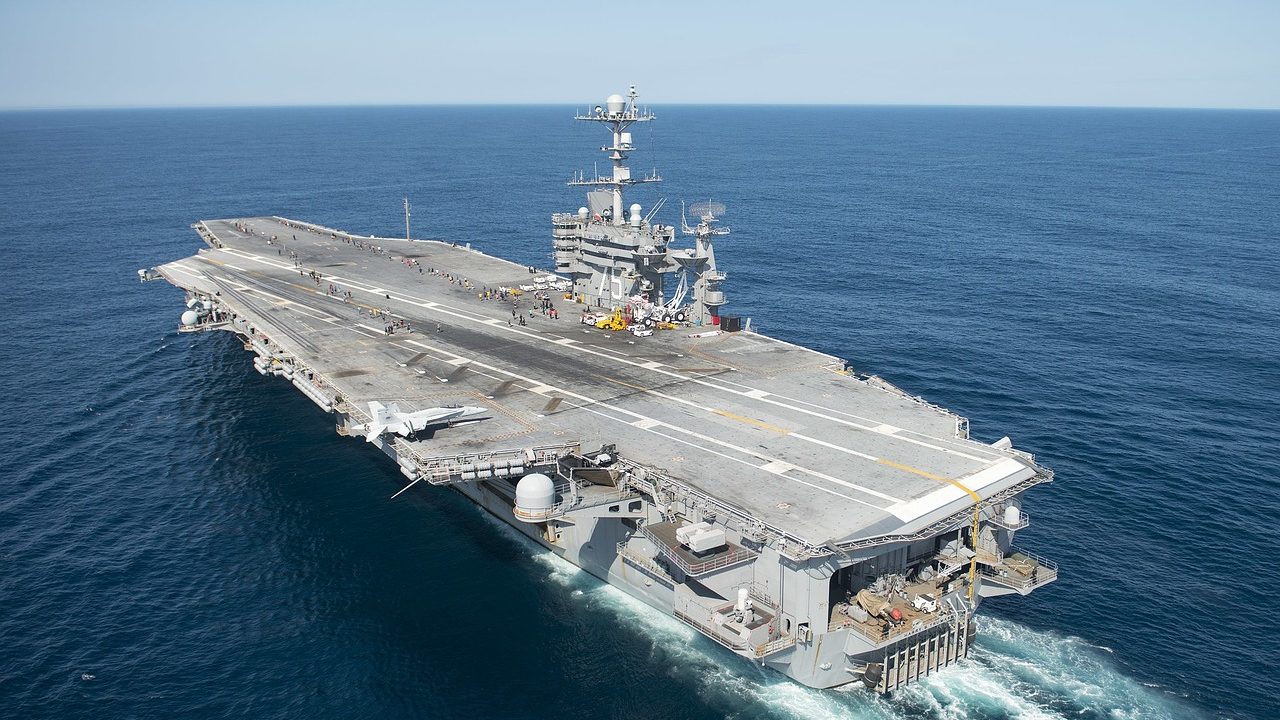
American forces struck Qeshm Island overnight — the largest island in the Persian Gulf, situated in the Strait of Hormuz, through which roughly twenty percent of the world's oil supply passes. The target was not civilian infrastructure but Iranian naval and Islamic Revolutionary Guard Corps assets, a distinction that will be central to the ensuing legal and diplomatic debate over whether the strike constitutes an act of war, a counter-proliferation operation, or a defensive action under existing military authorizations.
President Trump went on record publicly downplaying the action as something short of war, but the geographic context demands scrutiny. Iran has repeatedly threatened to close the Strait of Hormuz under sustained military pressure, and any escalation in that corridor carries energy-market consequences that ripple through every major economy. The overnight softness in S&P futures was attributed in part to trader anxiety over the Qeshm strike.
The timing added a political dimension that analysts are unlikely to ignore. Striking Iranian territory the day before midterm elections — and then immediately framing it as something other than war — is simultaneously a military and an electoral calculation. Historically, some voters rally around displays of force projection while others recoil at the prospect of open-ended conflict and its costs.
Tehran's response options are genuinely constrained. Iran faces severe internal economic pressure, ongoing sanctions, and a military degraded by years of proxy conflict. Yet absorbing a direct strike on home territory without any response is politically untenable domestically. Analysts expect Iran to weigh a proxy response through Hezbollah or Houthi forces, a direct military counter, or a cyber escalation — the last of which has become an increasingly preferred below-the-threshold tool for states seeking to signal capability without triggering mutual-defense obligations.
In Congress, the absence of any prior public authorization debate is expected to generate significant oversight pressure — and which party controls the Senate after tonight's results will determine how much institutional weight that pressure carries.