'What If We're Wrong?' Stress-Testing the Iran Strike Consensus
How this was made Verified AI
Every Intellegix briefing is generated from that day's broadcast and run through automated checks before it publishes — with a human paged on any flag. Here is the trail for this edition.
The near-universal analytical consensus Monday morning holds that Donald Trump will not order military action against Iran before midterm election results are certified. The political risk of a mid-election military escalation is considered prohibitive, and Netanyahu's reported recommendation to wait until after the midterms is read as confirmation that the operational plan is to hold. That consensus is probably right. But it is built on assumptions worth examining explicitly.
The primary assumption is that Trump is making a rational political calculation — that a pre-election strike is bad politics and that he recognizes it as such. The second assumption is that Netanyahu's 'after the midterms' framing represents an agreed timeline rather than a unilateral recommendation. The third assumption is that no trigger event between now and Wednesday alters the calculus rapidly. Each deserves scrutiny.
On the first assumption: Trump ordered the strike on Qasem Soleimani in January 2020 in a context where many analysts considered it politically risky. His polling improved in the immediate aftermath. If Trump believes that decisive action against Iran would be received as strength rather than distraction by his base, the political risk calculation looks different than the conventional wisdom assumes. The counterargument is structural — in 2020 he was an incumbent president with no immediate electoral consequence; in 2026, a major military action the night before an election where Republican turnout is already flagged as a problem could suppress that turnout by changing the information environment in unpredictable ways.
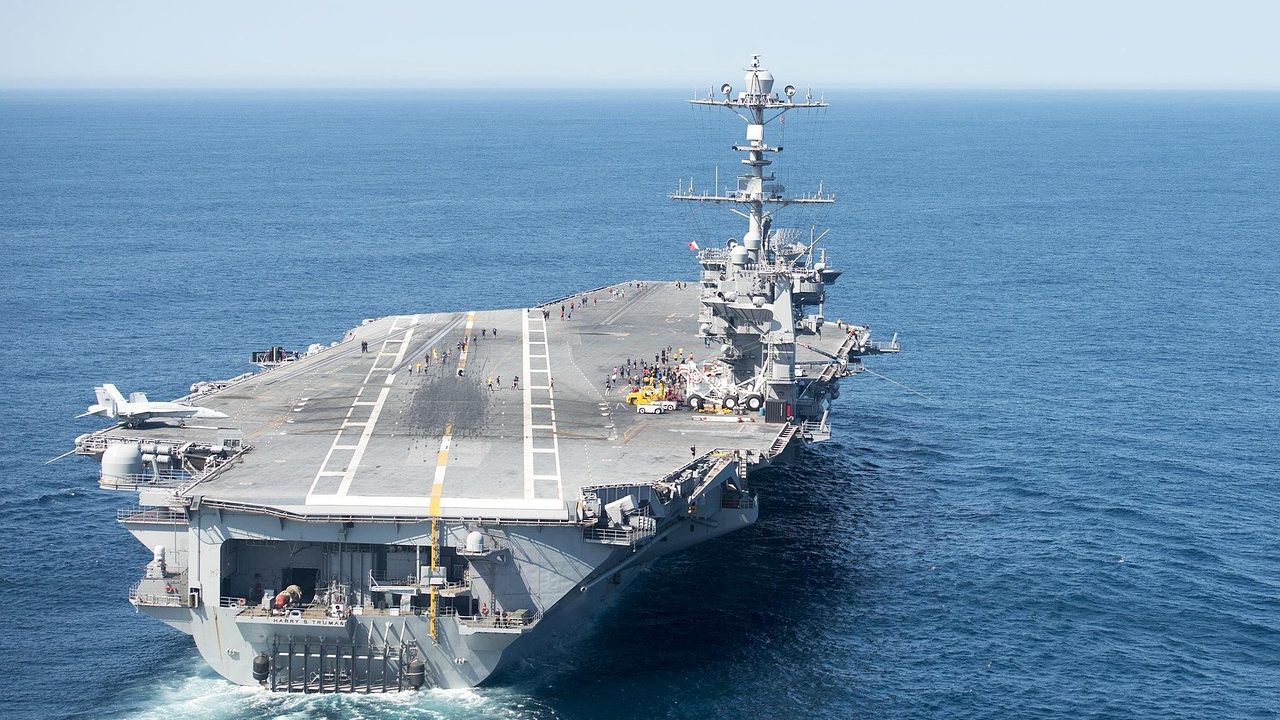
The Hormuz variable adds a compounding factor the consensus cannot fully account for: if Iran makes a move on the strait in the next twenty-four hours, the U.S. response becomes reactive rather than chosen. Reactive military engagement carries a different political dynamic than a preemptive strike and is harder to frame as an overreach. The honest intellectual position is that the consensus is built on behavioral assumptions about a political actor who has consistently defied behavioral assumptions — not a reason to reject the consensus, but a reason to hold it with appropriate humility and to watch the specific tripwires: any Hormuz incident involving a U.S. Navy asset, and any escalation in State Department or NSC language beyond the careful hedging of Blome's weekend statement.