The Iran Decision Tree Has Very Few Good Branches
How this was made Verified AI
Every Intellegix briefing is generated from that day's broadcast and run through automated checks before it publishes — with a human paged on any flag. Here is the trail for this edition.
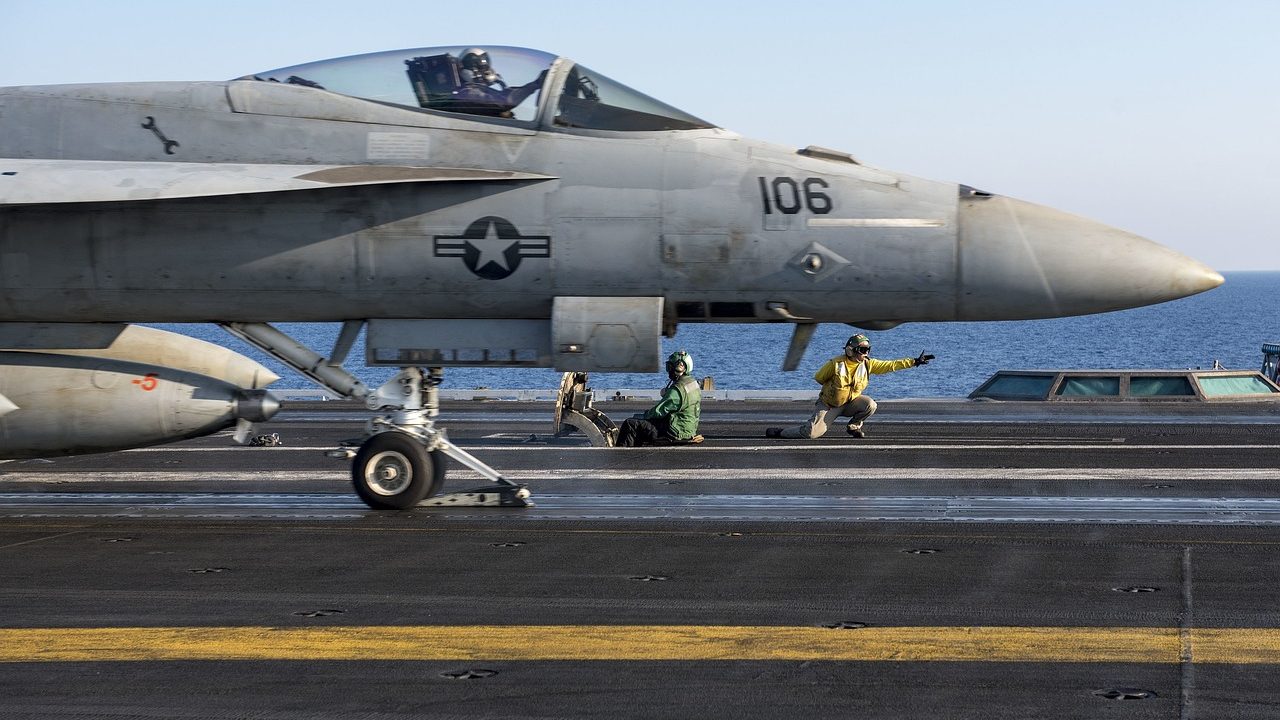
Viewed as a unified strategic picture rather than a series of individual news items, the Iran situation presents a decision tree with narrowing options on every branch. Tehran's leverage — the credible threat to disrupt Strait of Hormuz shipping — is most valuable as an unrealized threat. The moment Iran actually closes the strait, it loses that leverage while simultaneously devastating its own export economy. The operative question for intelligence analysts is at what level of external pressure Iran decides the deterrent value of the threat is no longer sufficient and escalates. There is no consensus answer.
Iran's nuclear enrichment capacity has expanded to the point where the timeline to weapons-grade material — if Iran chose to pursue it — is now measured in months rather than years, according to public assessments from the IAEA and independent analysts. That compression is what drives Israeli urgency. Netanyahu's reported framing — push for action 'after the midterms' — reveals the degree to which Israeli strategic planning is now calibrated to American electoral cycles, and carries an implicit assumption that the post-midterm political environment will be more permissive for action. That assumption is itself contingent on what Tuesday's results produce.
Overnight futures markets were not yet pricing in significant military action risk, with S&P Futures up approximately half a percent — thirty-eight points to seventy-six fifty-two — in trading Monday morning. Oil and defense sectors historically move sharply on credible military action signals; the absence of that pattern suggests traders are either discounting the Carlson report or, like the broader analytical community, reading ambiguous signals and withholding judgment.
The concrete tripwires to watch: any reported Hormuz shipping incident involving a U.S. Navy asset in the next twelve hours would dissolve the 'wait until after the midterms' assumption instantly. And any State Department or National Security Council communication that moves from Blome's carefully hedged 'channels remain open' language to something more definitive and urgent would signal that the timeline the analytical community is assuming may not hold. European allies, whose energy exposure to a Hormuz disruption is significantly higher than America's given expanded U.S. domestic production, have a lower tolerance for military escalation — and that constraint on Washington's freedom of action is consistently underweighted in American coverage of the Iran question.