Tesla-SpaceX Merger Chatter, an Available Ticker, and Musk's Case Against Saving
How this was made Verified AI
Every Intellegix briefing is generated from that day's broadcast and run through automated checks before it publishes — with a human paged on any flag. Here is the trail for this edition.
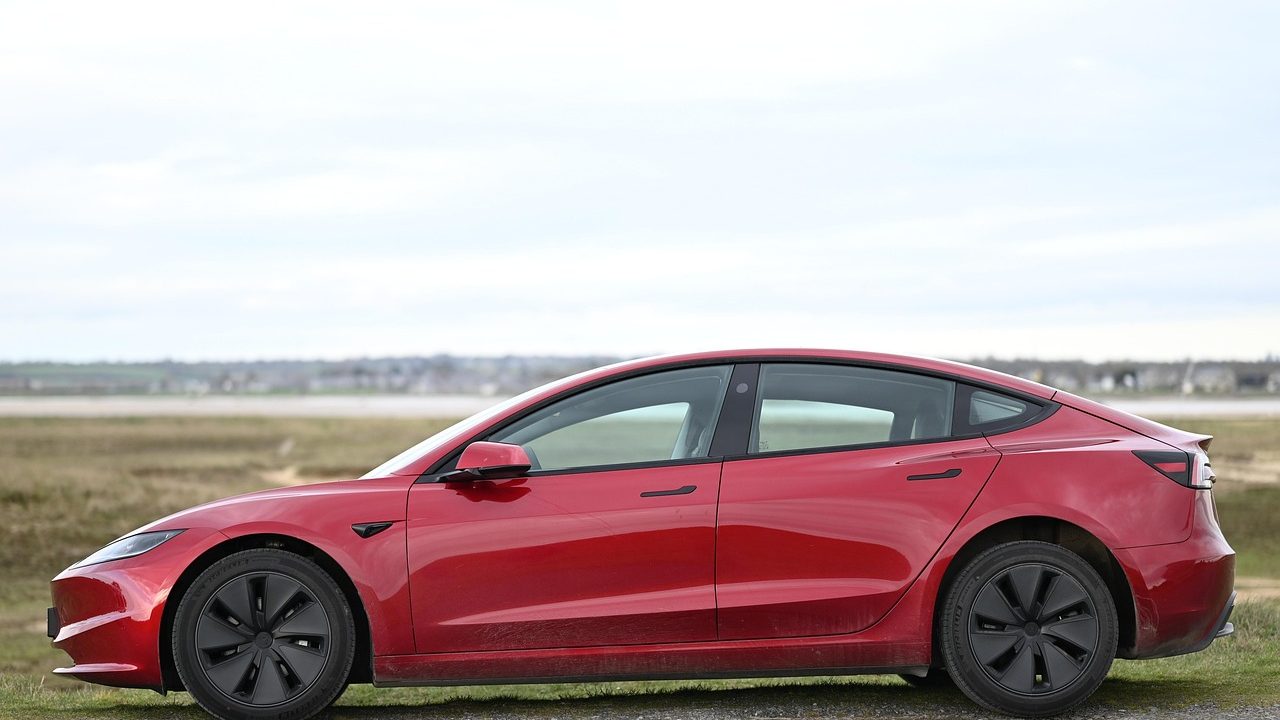
Wall Street's attention turned this week to the possibility of a Tesla-SpaceX merger after Bloomberg noted that the 'X' stock ticker symbol currently sits vacant — freed up after US Steel's acquisition — and that Musk himself has publicly called a combination of the two companies 'a good idea.' The financial logic, such as it is, combines Tesla's consumer brand, manufacturing base, and energy storage business with SpaceX's proprietary rocket technology, Starlink's recurring revenue, and deep government aerospace contracts into a conglomerate with exposure across automotive, energy, communications, and space.
The obstacles are substantial. SpaceX is not publicly traded, and the national security sensitivities of its government contracts create regulatory friction around any structure that would bring those contracts under public shareholder scrutiny. Tesla's institutional investor base — major funds with fiduciary obligations — would be required to evaluate any deal on pure financial terms, creating legal exposure if shareholders concluded they were overpaying for SpaceX or that the merger diluted Tesla's core identity. The 'X' ticker's availability may be no more than an observation Musk finds symbolically appealing, given his decades-long affinity for the letter dating to X.com in the late 1990s, but the speculation is already being priced into market commentary.
Musk generated a separate, broader debate by posting that saving money is 'essentially pointless' in an AI-abundant future, arguing that 'super-intelligent abundance' from AI and robotics will eliminate the scarcity that makes financial savings necessary. The philosophical argument has a coherent internal logic: if AI-driven productivity makes goods cheap or free, stored claim-rights to future goods — which is what savings represent — diminish in value. Critics identified several problems with the thesis. It papers over what could be a decades-long transition period, assumes AI productivity gains will be broadly distributed rather than concentrated among capital holders, and ignores structurally scarce goods — beachfront property, human attention, specific cultural experiences — whose supply no productivity gain can increase.
The source of the advice drew pointed commentary. Musk's net worth is estimated north of $300 billion, placing him among the individuals least exposed to the consequences of inadequate personal savings. Whether the 'don't save' framing reflects a genuine philosophical position, a convenient alignment with his interests as someone who benefits from consumer spending rather than capital accumulation, or simply the natural blind spot of extreme wealth, is a question his critics argued the public should weigh carefully.