SpaceX Shares for Every Newborn, and $150 Billion the Buffett Children Can't Divide
How this was made Verified AI
Every Intellegix briefing is generated from that day's broadcast and run through automated checks before it publishes — with a human paged on any flag. Here is the trail for this edition.
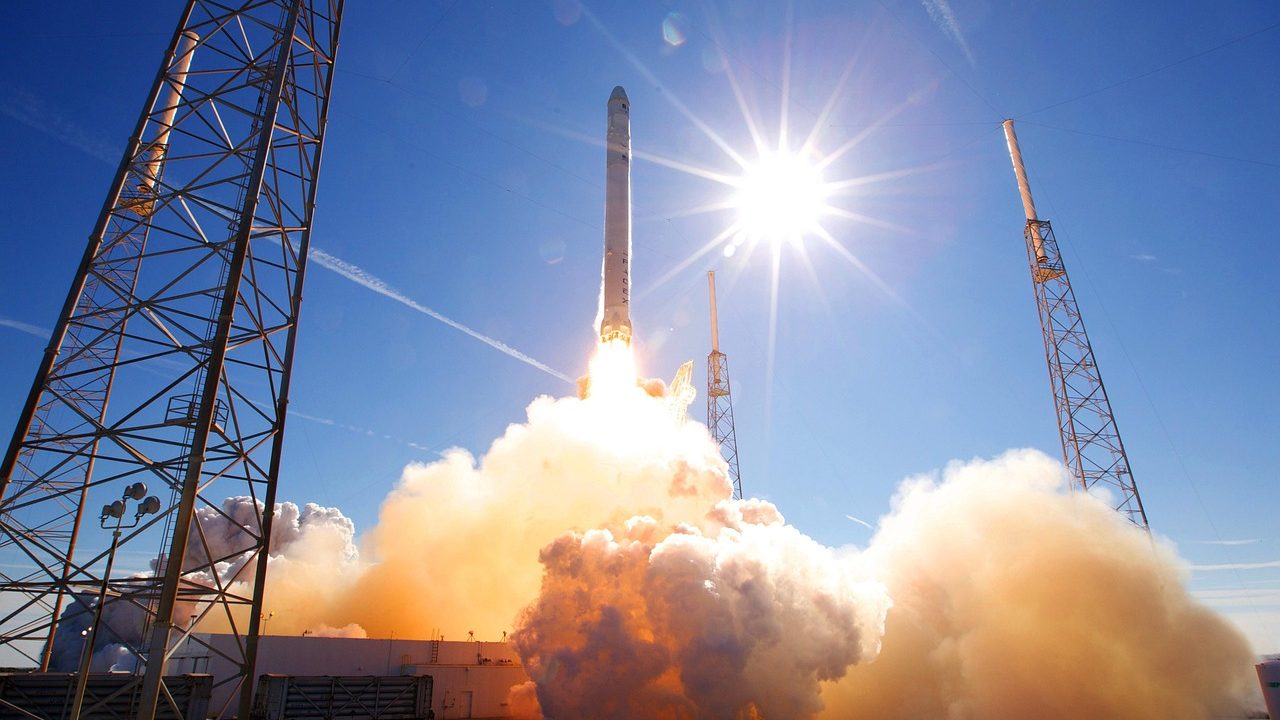
Elon Musk announced over the weekend on X that he will give one SpaceX share to every child born in the United States. The announcement arrived without accompanying legal documentation, a timeline, or an administrative mechanism. SpaceX is a private company with shares that cannot simply be distributed to the roughly 3.6 million children born in the United States each year without resolving securities law questions around beneficial ownership, custodianship for minors, and the valuation implications of creating millions of new small shareholders in a privately held aerospace company.
SpaceX's last known private valuation was approximately 350 billion dollars, placing a single share in the range of several hundred dollars depending on share class and dilution. Creating tens of millions of new minor shareholders over a decade would require amending SpaceX's shareholder agreements — a years-long corporate governance process requiring sign-off from existing investors, not a social media post. At its most charitable reading, the pledge represents a future wealth transfer contingent on SpaceX's continued success. At its most skeptical, it is a marketing announcement with no binding legal commitment.
The conceptual ambition, if genuine, does have precedent: Norway's sovereign wealth fund provides every Norwegian citizen an indirect stake in natural resource revenues. Musk's proposal is vaguely analogous but privately administered by a single founder rather than through democratic governance — a distinction that matters enormously for accountability.
The contrast with Warren Buffett's philanthropic architecture is instructive. Buffett's three adult children — Susie, Howard, and Peter — face a 2034 deadline to distribute his remaining Berkshire Hathaway shares, valued at roughly 150 billion dollars at current prices, and reportedly cannot agree on whether to pool efforts into a single foundation or split the endowment into three separate operations. The disagreement illustrates a rarely discussed reality of extreme philanthropy: at that scale, the absorptive capacity of most institutional causes is insufficient, and the governance structure chosen to distribute the money may matter as much as the causes it ultimately funds.