Three Tankers, No Witnesses: The Hormuz Mine Claims Roiling Global Markets
How this was made Verified AI
Every Intellegix briefing is generated from that day's broadcast and run through automated checks before it publishes — with a human paged on any flag. Here is the trail for this edition.
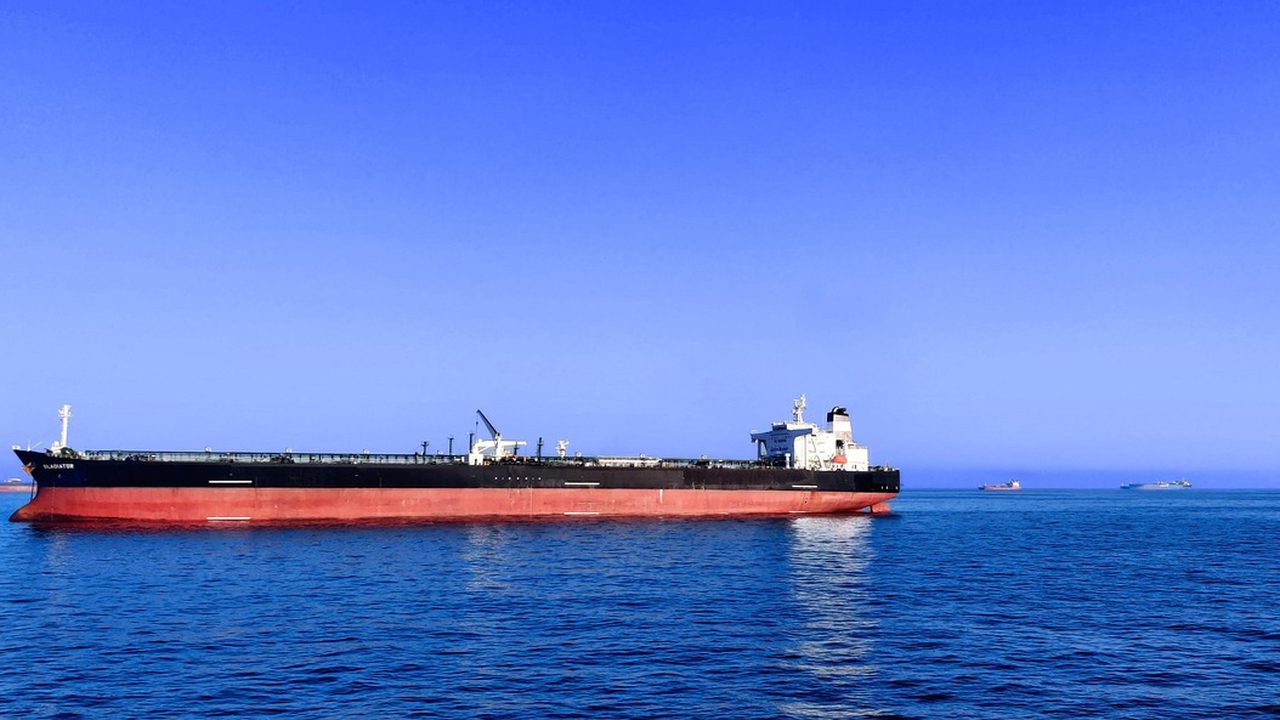
The Islamic Revolutionary Guard Corps is claiming a third oil tanker has been struck by a mine in the Strait of Hormuz, alleging the vessel was traveling an unauthorized route with its automatic identification system switched off. None of the three claimed strikes has been independently confirmed by maritime insurers, satellite tracking services, or neutral shipping authorities — a verification gap that is itself a strategic instrument, capable of spiking insurance premiums and oil prices without requiring a single confirmed act of war.
The Strait of Hormuz carries between 15 and 20 percent of the world's oil supply through a navigable channel roughly 21 miles wide at its narrowest point. Mine warfare in that environment is particularly difficult to attribute: mines can be placed days or weeks in advance, giving their deployers a layer of deniability that a drone launch or missile strike does not afford. The IRGC's choice to announce mines rather than direct-fire weapons is strategically significant for precisely that reason.
The conflict has a painful human dimension that surfaced publicly over the weekend. Joey Amor, whose wife was killed in an Iranian drone strike against U.S. forces, directly confronted Vice President Vance and demanded accountability for the commanders responsible. Vance responded that he had not heard about the specific failures being described — an answer delivered to a grieving widower that went viral almost immediately and handed critics a potent symbol of the administration's distance from the war's consequences.
Historical precedent sharpens the stakes. During the 1980s Tanker War, Iran mined international shipping lanes in the Gulf, and the USS Samuel B. Roberts nearly sank after striking an Iranian mine in 1988. The U.S. response — Operation Praying Mantis — destroyed two Iranian oil platforms and sank or damaged several Iranian vessels in a single day. The current administration has not characterized the latest incidents at that level of escalation, but analysts note that pressure to respond kinetically grows significantly harder to resist if a third independently confirmed strike occurs.