Tesla's Rocket Car Lands in a Regulatory Gray Zone as Altman Extends an Olive Branch
How this was made Verified AI
Every Intellegix briefing is generated from that day's broadcast and run through automated checks before it publishes — with a human paged on any flag. Here is the trail for this edition.
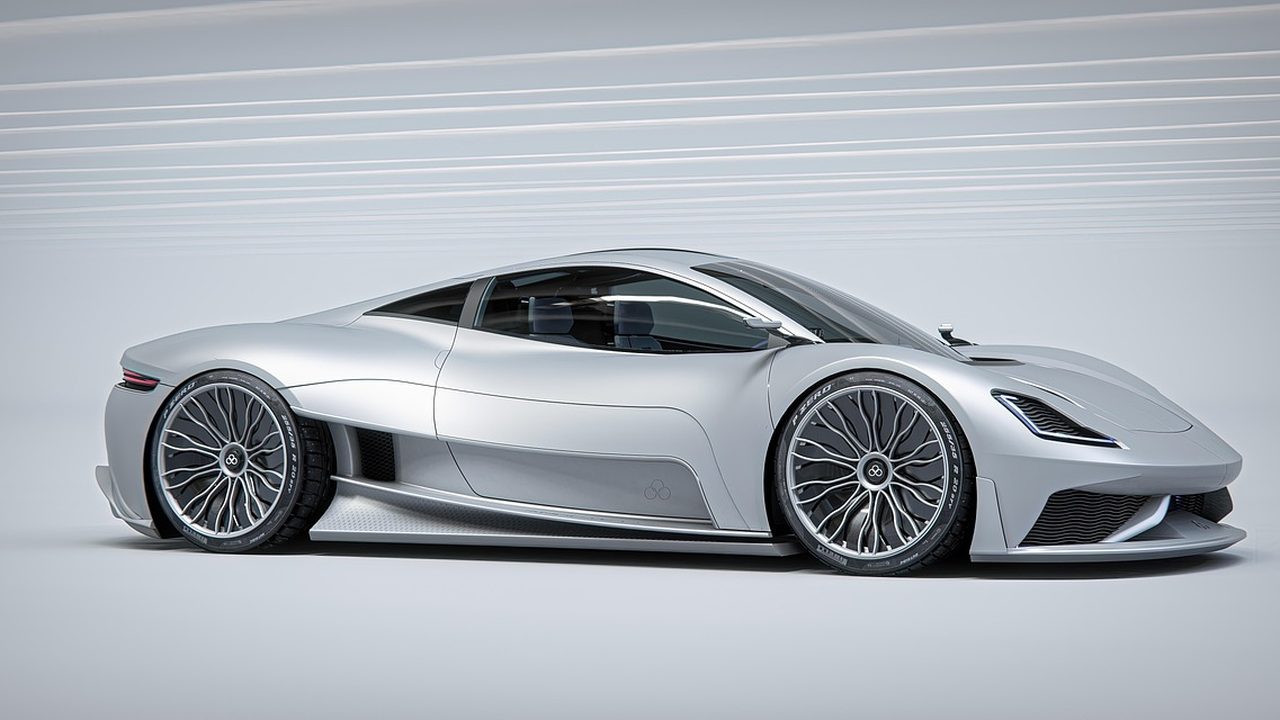
The FAA's finding that Tesla's flying Roadster does not constitute an aircraft under the Federal Aviation Act leaves the vehicle in jurisdictional ambiguity. As a ground vehicle that occasionally leaves the ground, it potentially falls under the National Highway Traffic Safety Administration for its terrestrial operation and under no established federal safety framework for its airborne portions. For Musk — whose regulatory history includes extended friction with federal agencies across Tesla and SpaceX — the ambiguity may represent a practical advantage during a development phase, allowing testing to proceed without aviation certification requirements that can take years and cost hundreds of millions of dollars.
The Roadster's design concept fits into a broader and internally consistent transportation logic across Musk's ventures. Tesla's autonomous driving roadmap, SpaceX's point-to-point transportation concepts, and a production car engineered to perform controlled ballistic hops form a directional pattern even when individual products appear eccentric in isolation. Whether any of it achieves commercial viability on the projected timeline is a separate question from whether the engineering ambition is coherent.
Sam Altman's public praise for the Roadster project — offered despite the documented legal and personal friction between the two figures over OpenAI's structure during 2025 — was framed as appreciation for genuine engineering creativity. The gesture, on a topic without direct competitive stakes, represents a low-cost signal of détente and aligns with what appears to be a broader OpenAI posture of positioning itself as a collaborator within the technology ecosystem rather than a combatant within it.