A Trillion Dollars Erased, Then Partially Recovered: The Chip Market's Precarious Balance
How this was made Verified AI
Every Intellegix briefing is generated from that day's broadcast and run through automated checks before it publishes — with a human paged on any flag. Here is the trail for this edition.
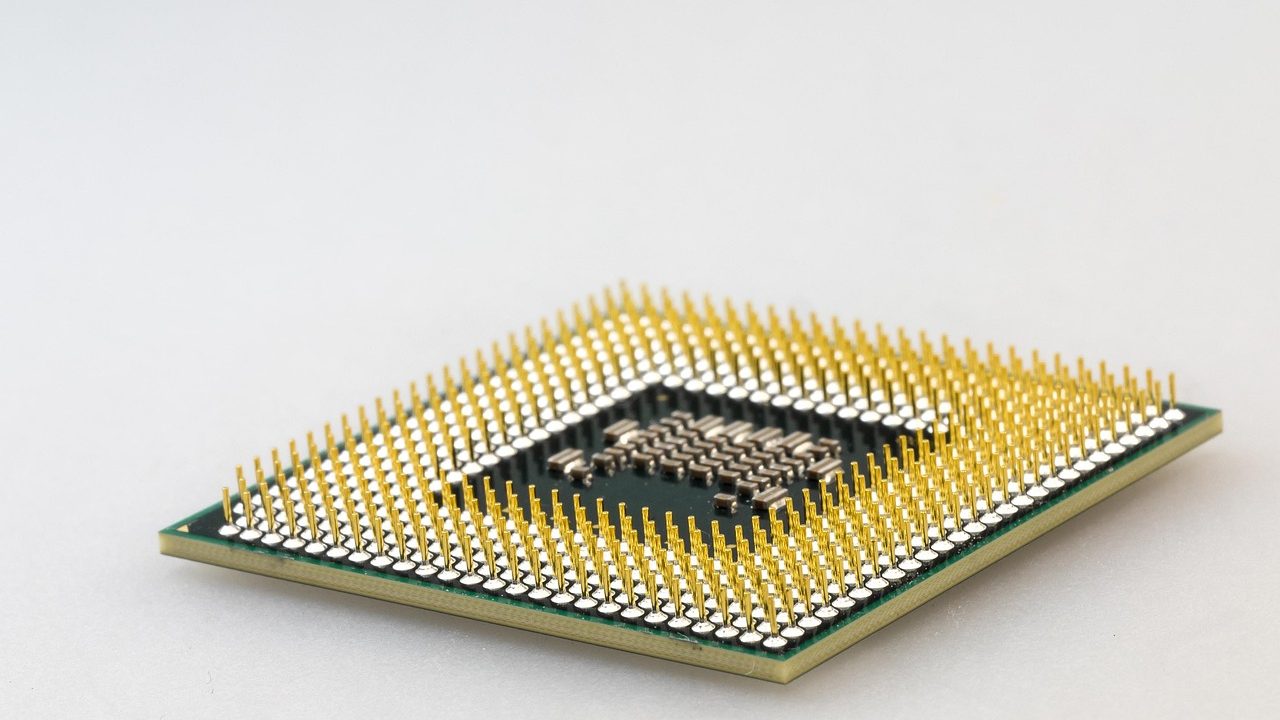
The Kospi index in South Korea bounced back Friday morning after a sell-off severe enough to erase approximately one trillion dollars in semiconductor-related market value across recent sessions. The scale of the drop reflected genuine fear about demand-supply dynamics in memory and logic chips; the partial recovery suggests the rout was at least partly an overshoot rather than a wholesale fundamental reassessment.
The underlying tension is a bifurcated market. High-bandwidth memory chips used in AI training are in short supply and commanding premium prices, while standard DRAM for consumer electronics sits in a demand trough. Samsung and SK Hynix, both listed on the Kospi, have significant exposure to both ends — creating sharp volatility when the two sides diverge.
Apple's new CEO, Ternus, who succeeded Tim Cook earlier this year, confirmed in discussions with reporters that the company is keeping Chinese memory chip suppliers — primarily YMTC — as potential vendors. The signal is a meaningful departure from the directional trend of recent years toward reducing exposure to Chinese-made components. Ternus appears to be signaling that cost and supply security considerations may outweigh geopolitical positioning for memory chips specifically, while Apple remains exclusively dependent on TSMC in Taiwan for the A-series and M-series processors that define product performance. That distinction — diversifying memory supply while protecting critical logic-chip relationships — represents a nuanced supply chain stance rather than a wholesale geopolitical repositioning.
The regulatory risk is real. If the Commerce Department determines that YMTC memory in Apple devices constitutes a violation of existing export restrictions, Apple would face penalties and a rapid scramble for alternative suppliers. Keeping the Chinese option open while the regulatory framework remains unsettled is a bet that restrictions will not tighten further. From a geographic risk perspective, moving memory supply toward Chinese manufacturers reduces exposure to a Korean peninsula disruption while potentially increasing exposure to a Taiwan Strait scenario — a trade-off with no clean answer.