What If the Market Is Wrong About Inflation? The Case for a Supply-Shock Misread
How this was made Verified AI
Every Intellegix briefing is generated from that day's broadcast and run through automated checks before it publishes — with a human paged on any flag. Here is the trail for this edition.
The market consensus crystallized quickly after Thursday's hotter-than-expected US inflation print: the Federal Reserve will hike rates again, borrowing costs will stay elevated, and growth assets — particularly semiconductors — will face sustained downward pressure. That chain of reasoning triggered the Kospi circuit breaker and is dragging S&P futures lower. It is, in the language of financial markets, the trade.
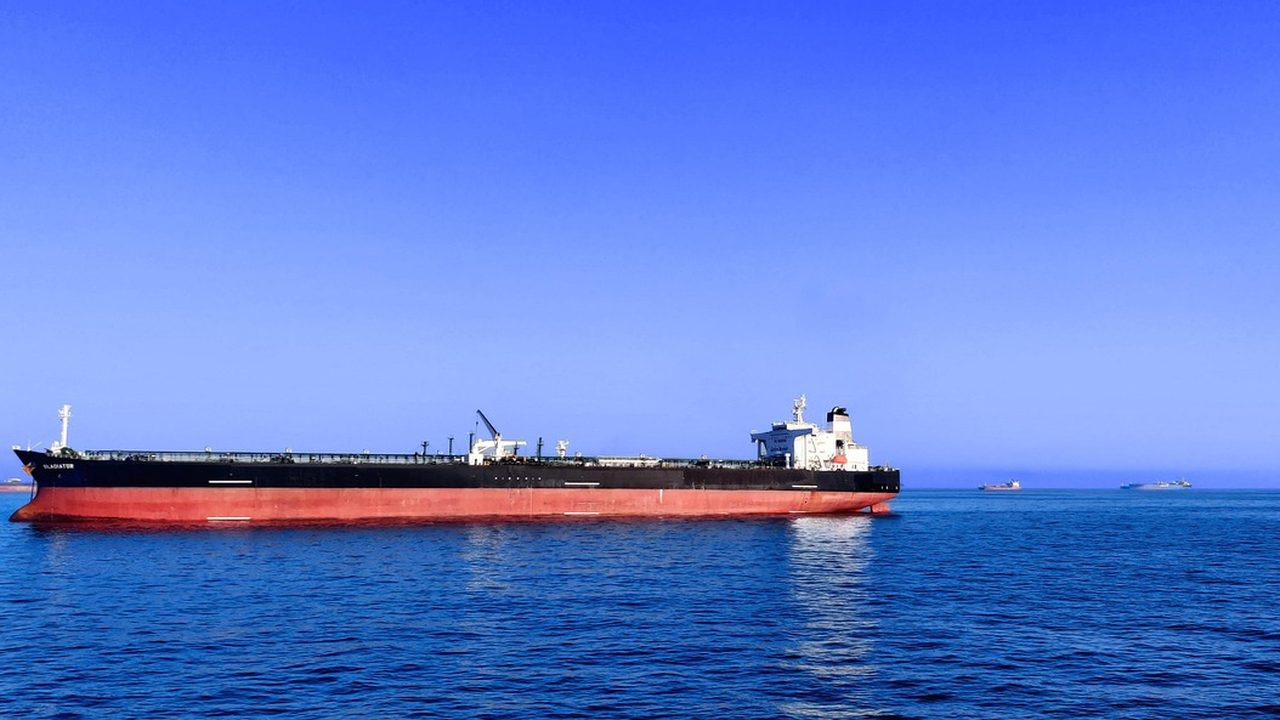
But the consensus rests on an assumption worth interrogating: that this inflation is primarily demand-driven and therefore rate-sensitive. If, instead, a significant component reflects an energy price premium driven by the Strait of Hormuz situation and broader geopolitical risk — supply disruption rather than excess consumer spending — then the Federal Reserve raising rates does not address the cause. The Fed can cool demand; it cannot produce oil or reopen a strait disrupted by military activity. Raising rates into a supply shock has historical precedent in the late 1970s, when repeated tightening into supply disruptions produced stagflationary outcomes that lasted years.
In a stagflationary scenario, the semiconductor stocks hammered Thursday on rate-hike fears would actually look cheap relative to what reduced consumer spending does to discretionary goods broadly. A selloff driven by a misdiagnosis of the inflation source would represent a buying opportunity rather than a trend.
Three indicators would help distinguish the two hypotheses. First, the energy component breakdown in the next CPI release: if energy contributes more than two percentage points to the headline number, the supply-shock thesis gains credibility. Second, language from Federal Reserve officials over the next two weeks — if regional Fed presidents begin publicly distinguishing demand-pull from cost-push inflation, the internal debate is more nuanced than current market pricing reflects. Third, and most immediately, the Strait of Hormuz itself: if shipping incidents escalate and oil moves above 115 dollars per barrel, the energy-premium thesis becomes dominant and the rate-hike path gets complicated in ways models have not yet captured. The loudest market signal of the day may be responding to a story that is not the full story.