The Bunker-Buster Option: How Close Is the US to Striking Iran?
How this was made Verified AI
Every Intellegix briefing is generated from that day's broadcast and run through automated checks before it publishes — with a human paged on any flag. Here is the trail for this edition.
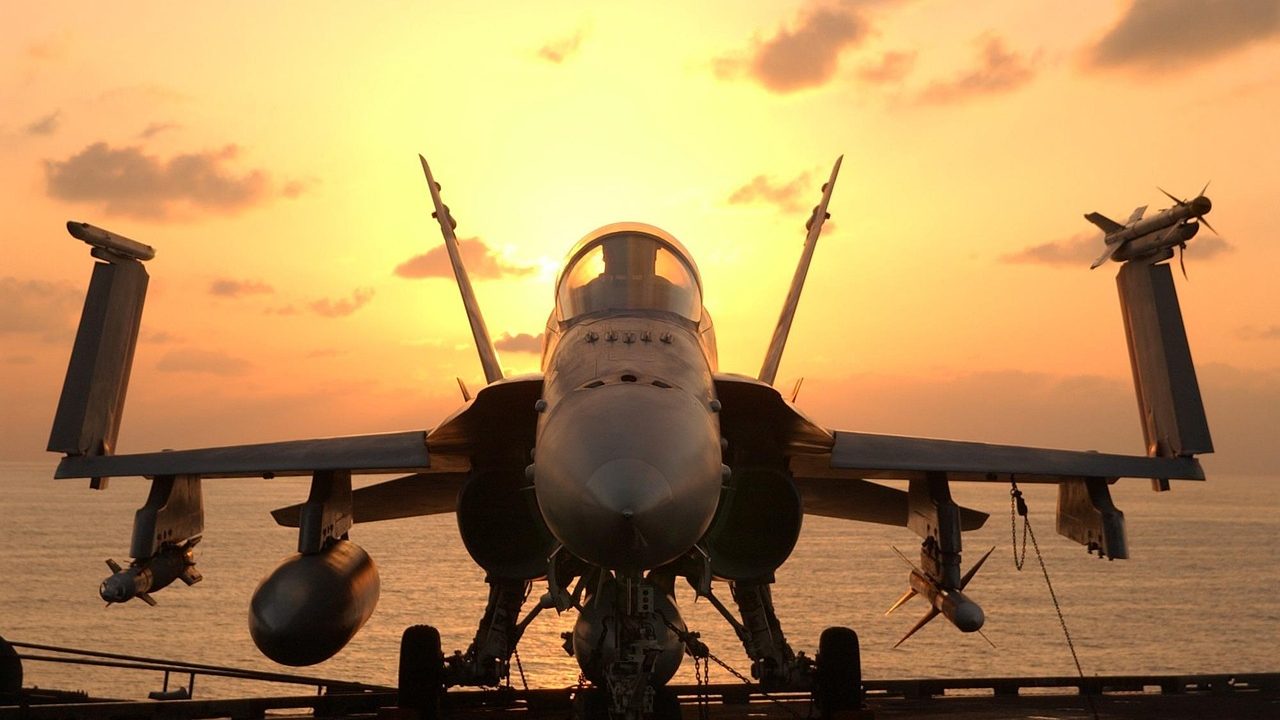
The Pentagon is reportedly weighing deployment of the GBU-57 Massive Ordnance Penetrator — informally known as the 'mother of all bombs' — for potential strikes on Iranian nuclear and military infrastructure. The roughly 30,000-pound weapon, the US Air Force's most powerful conventional bomb, is designed specifically to destroy hardened underground facilities such as Iran's Fordow enrichment site. The fact that planners are seriously discussing its use signals how deeply they assess those bunkers to be buried.
The deliberations are unfolding against a backdrop of pointed Iranian rhetoric. Mohammad Bagher Ghalibaf, speaker of Iran's parliament and a former Revolutionary Guard commander, said publicly this week that the United States must be 'punished' before any war can end, while simultaneously urging Iran to maintain military readiness even during negotiations. That dual-track message — fight and talk — is widely read as calibrated for a domestic audience as much as any foreign interlocutor.
Ghalibaf's remarks also referenced ships sinking near the Strait of Hormuz, an area through which roughly 20 percent of global oil supply transits. Any naval incident there becomes an immediate global energy price event — a scenario analysts warn markets have not fully priced. That risk intersects directly with already-hotter-than-expected US inflation data, compounding the Federal Reserve's calculus.
President Trump, speaking at a campaign rally in Arizona, quoted calling government leakers 'the scum of the earth' and said they 'should be shot,' framing the remarks around a specific claim that a leak forced the Pentagon to abort a planned Iran strike. Whether that account is operationally accurate or political theater ahead of midterms remains genuinely unclear. But the description itself — an administration close enough to launching military strikes that a single intelligence disclosure could derail them — points to an extraordinarily sensitive operational posture.
Analysts note that deploying the GBU-57 would represent a qualitative shift in US engagement, moving beyond the precision, contained strikes that characterized previous Middle East operations toward weapons designed for targets cruise missiles cannot reach. Strategically, that threshold is one military planners take seriously, not just as firepower but as signal — to Tehran and to every other nation watching. For now, the diplomatic track reportedly continues in parallel, though the danger, as one reading of events frames it, is when tactical communication on either side gets mistaken for genuine strategic commitment.