Geomagnetic Storm Threatens Power Grids, and a Death Row Inmate Survives Her Own Execution
How this was made Verified AI
Every Intellegix briefing is generated from that day's broadcast and run through automated checks before it publishes — with a human paged on any flag. Here is the trail for this edition.
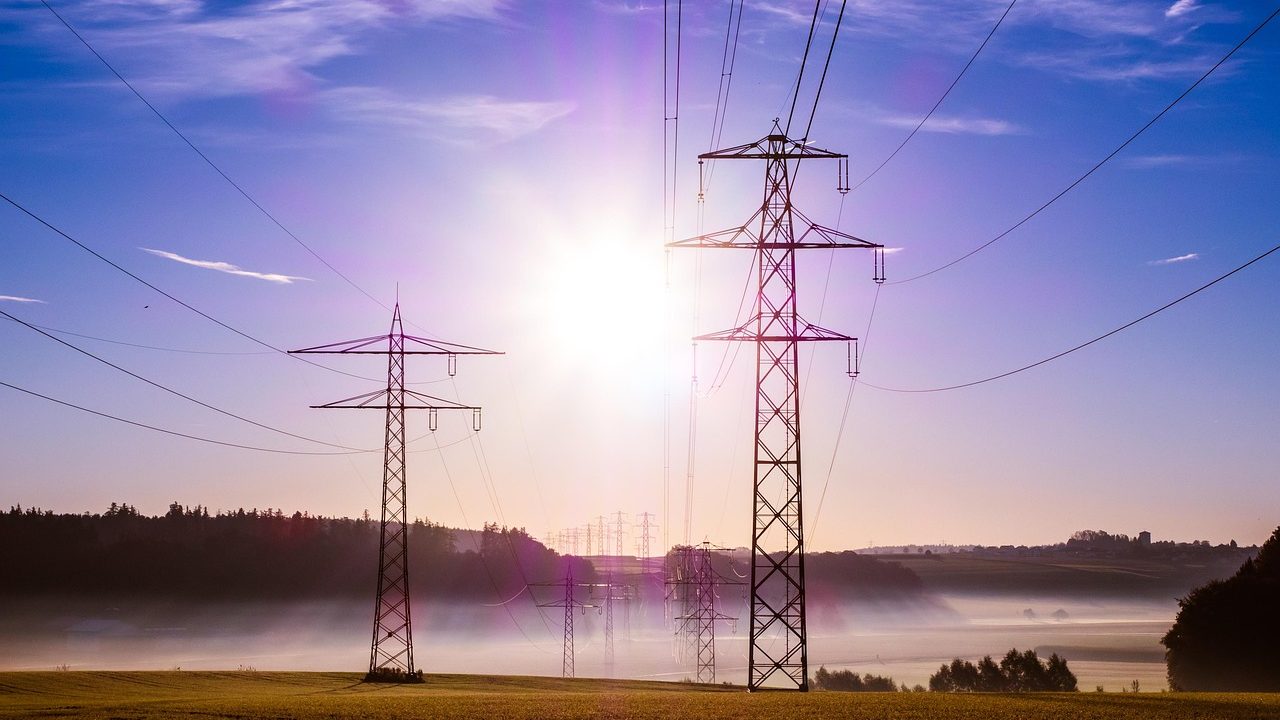
NOAA issued a G3 geomagnetic storm warning after a coronal mass ejection — a massive burst of magnetized plasma from the Sun — reached Earth's magnetic field. A G3 is a 'strong' storm on NOAA's five-point scale, sufficient to produce power grid fluctuations in high-latitude regions, satellite drag effects on low-Earth-orbit calculations, and disruptions to high-frequency radio communications. GPS accuracy can degrade. Aurora borealis may become visible as far south as Oregon, Illinois, and Pennsylvania.
The critical infrastructure dimension extends beyond aurora photography. At G3 levels, utility operators in northern states and Canada typically enter heightened monitoring protocols because geomagnetically induced currents can damage transformers — expensive equipment with replacement lead times of 12 to 18 months for high-voltage units. These transformers are critical nodes in regional power distribution. The current event is occurring within Solar Cycle 25, which began in December 2019 and is tracking stronger than initial predictions suggested; solar maximum, the period of peak activity, is expected to extend into 2026 and 2027, meaning more CME events and more infrastructure stress tests lie ahead.
In a jarring shift of register, the case of Christa Pike — a Tennessee death row inmate convicted in the 1990s of a brutal murder — returned to public attention this week. Pike survived her scheduled execution; the precise circumstances are still being reported. She has been returned to her prison cell. The case immediately reopens questions about the administration of capital punishment, the reliability of execution procedures, and the legal and ethical status of someone who has technically survived an attempted state execution.
The controlling Supreme Court precedent dates to Louisiana ex rel. Francis v. Resweber in 1947, when the court ruled five to four that a second execution attempt after a failed first one did not constitute double jeopardy or cruel and unusual punishment. The legal and moral landscape has shifted considerably since then, however, and a contemporary Eighth Amendment challenge would go to a very different federal judiciary. If Tennessee attempts to execute Pike again, immediate litigation is expected. The case arrives as the number of executions per year has been declining for two decades, states have faced persistent challenges obtaining lethal injection drugs, and public support for the death penalty has shifted.