American Navy Destroys Cargo Ship Engines in the Gulf of Oman
How this was made Verified AI
Every Intellegix briefing is generated from that day's broadcast and run through automated checks before it publishes — with a human paged on any flag. Here is the trail for this edition.
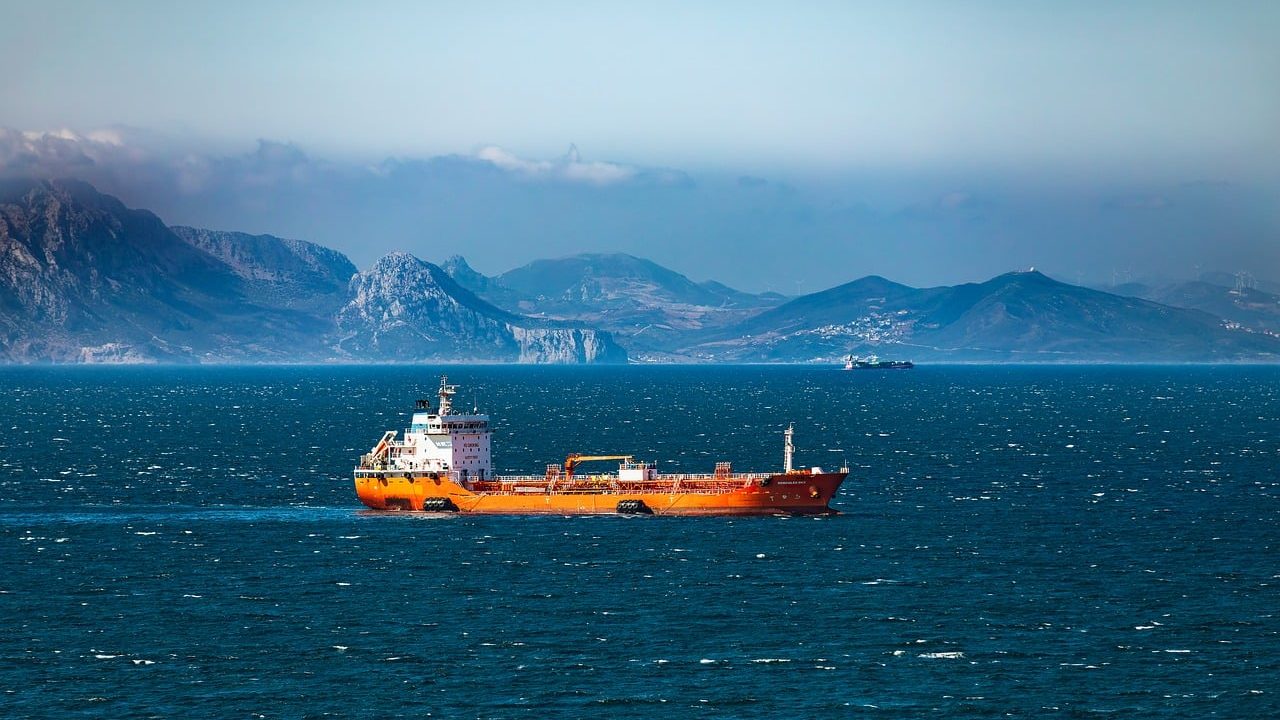
U.S. Central Command confirmed that a Navy jet fired on and disabled a Panama-flagged cargo ship in the Gulf of Oman after the vessel departed from an Iranian port and ignored repeated warnings to stop. The strike was described as a precision hit on the propulsion system; no crew members were harmed — a deliberate operational and diplomatic signal, but one that nonetheless marks the moment the Hormuz blockade acquired, in the words of analysts tracking the situation, 'military teeth.'
The legal and precedential dimensions are significant. Under international maritime law, even vessels suspected of sanctions violations are not automatically subject to military interdiction by foreign navies. Central Command's statement that the ship had ignored standard hailing protocols suggests the U.S. attempted conventional procedures before escalating to a kinetic response — but the underlying question of whether suspected sanctions evasion justifies destroying a commercial ship's engines in international waters remains contested.
Markets are already pricing in the risk premium. Shipping companies are reportedly offering individual captains $100,000 per month — above the annual median household income in the United States — to navigate the Strait of Hormuz. That figure alone communicates how the maritime insurance and logistics industry is assessing threat levels in the region.
Historical parallels exist: during the Gulf tanker wars of the late 1980s, the U.S. launched Operation Earnest Will to escort Kuwaiti tankers under Iranian and Iraqi fire. The current situation has a different texture, however — this is a unilateral American enforcement action tied to sanctions policy rather than a multilateral escort operation. Iran, which controls the northern shore of the strait through which roughly twenty percent of the world's oil supply transits, had not formally responded at the time of reporting. Panama, the world's largest ship registry by tonnage, also had not publicly commented, though diplomatic activity in that channel was expected to intensify.