S&P Futures Rise as Macro Forces That Rattled Crypto Linger in the Background
How this was made Verified AI
Every Intellegix briefing is generated from that day's broadcast and run through automated checks before it publishes — with a human paged on any flag. Here is the trail for this edition.
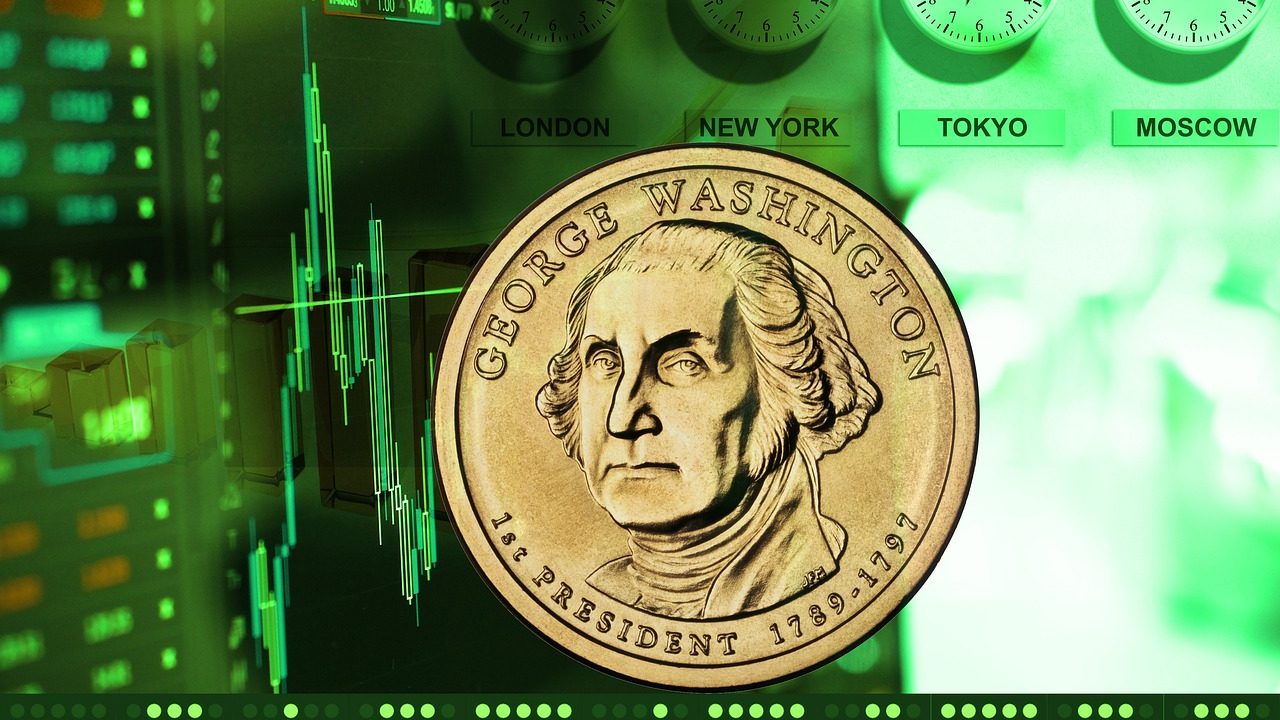
S&P futures stood at 7,859.75 on Saturday morning, up 43.5 points or approximately 0.56 percent, pointing to a constructive open for US equities. But the macro forces driving Bitcoin's decline were operating across financial markets even where their effect was less dramatic. Rising ten-year Treasury yields function as a discount rate for future corporate earnings — mechanically reducing the present value of profits expected years out — with the highest sensitivity in sectors where growth is priced far into the future, including technology and biotech. Positive futures despite that headwind suggest markets were pricing in either rate stability ahead or near-term earnings strong enough to offset the pressure.
Dollar strength adds a separate complexity. A stronger dollar is a headwind for the roughly forty percent of S&P 500 revenues that originate internationally, as repatriated foreign earnings shrink in dollar terms. But dollar strength can also reflect investor confidence in the US economy relative to alternatives, making it a two-sided signal. The simultaneous rise of both the dollar and equities points to economic outperformance as the driver rather than risk aversion.
The geopolitical stories of the week feed into the macro picture through longer transmission chains than markets typically model explicitly. If Russian diesel enters global markets at scale under a US-sanctioned arrangement and brings diesel prices down, that would be disinflationary for transportation and logistics costs. Lower inflation expectations could give the Federal Reserve cover to cut rates, which would provide a tailwind for equities — meaning a deal that reads as purely geopolitical could have a direct and non-trivial effect on domestic monetary policy.
The four-hundred-million-dollar crypto liquidation total is a small number in the context of overall financial markets but significant within crypto's thinner structure. Leveraged positions in crypto are typically funded through perpetual futures contracts, a product without a direct equivalent in traditional markets. When prices move against leveraged longs, automated margin calls trigger forced selling, which pushes prices lower, which triggers further margin calls — a mechanical cascade that amplifies modest initial moves. For traditional institutional investors holding Bitcoin exposure through spot ETFs, that volatility carries at least indirect portfolio implications even where direct exposure is small.