Election Doubt, a Polygraph Failure, and a Six-Figure Favor
How this was made Verified AI
Every Intellegix briefing is generated from that day's broadcast and run through automated checks before it publishes — with a human paged on any flag. Here is the trail for this edition.
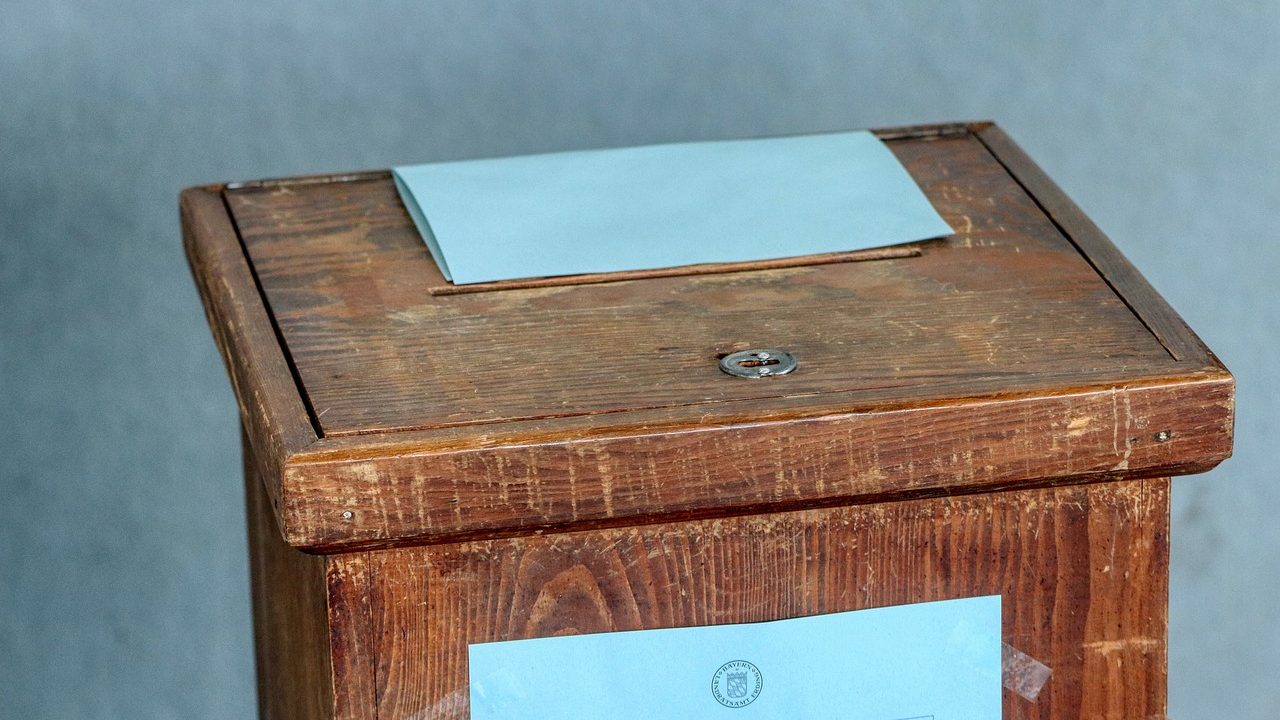
A new Gallup poll released this week found that majorities of Republicans and independents now doubt the integrity of U.S. elections. The Republican finding has been documented since 2020, but the independent number carries distinct weight: independents represent roughly 40 percent of the American electorate. When a majority of that bloc has lost confidence in electoral legitimacy, analysts argue, the concern moves from partisan positioning into structural territory — voter participation among people who believe their votes will not be counted correctly tends to fall, and courts and election administrators operate under intensified pressure.
Against that backdrop, Nate Silver's forecasting model shows Democrats favored to retake the Senate in November. Silver's models depend on polling data, and observers note a genuine methodological challenge: if Republican and independent voters in competitive states are less confident their participation matters, do they turn out at rates the model assumes? Silver has argued his models account for historical polling error in both directions, but the current confidence environment is without precise precedent.
Washington's political class is also absorbing two separate ethics stories from within Trump's orbit. Multiple outlets have confirmed, citing sources familiar with the situation, that a Trump ally failed a polygraph examination and subsequently lost a Department of Justice security clearance — a finding that, while not criminal, effectively bars the individual from accessing classified information and represents a meaningful loss of proximity to power. Separately, the Wall Street Journal reported that Kimberly Guilfoyle, currently serving as U.S. Ambassador to Greece, pressed a donor to pay a $100,000 American Express bill on her behalf, raising ethics questions about a sitting ambassador's use of political donor relationships for personal expenses.
Reports also surfaced of President Trump's interest in effectively relocating Camp David's presidential retreat functions to his West Palm Beach club — an arrangement that would revive emoluments questions that have followed his presidency from the outset, while creating a direct tension between limiting club access for security purposes and protecting its commercial value.