Ukraine Strikes Moscow as the West Splinters Over the War
How this was made Verified AI
Every Intellegix briefing is generated from that day's broadcast and run through automated checks before it publishes — with a human paged on any flag. Here is the trail for this edition.
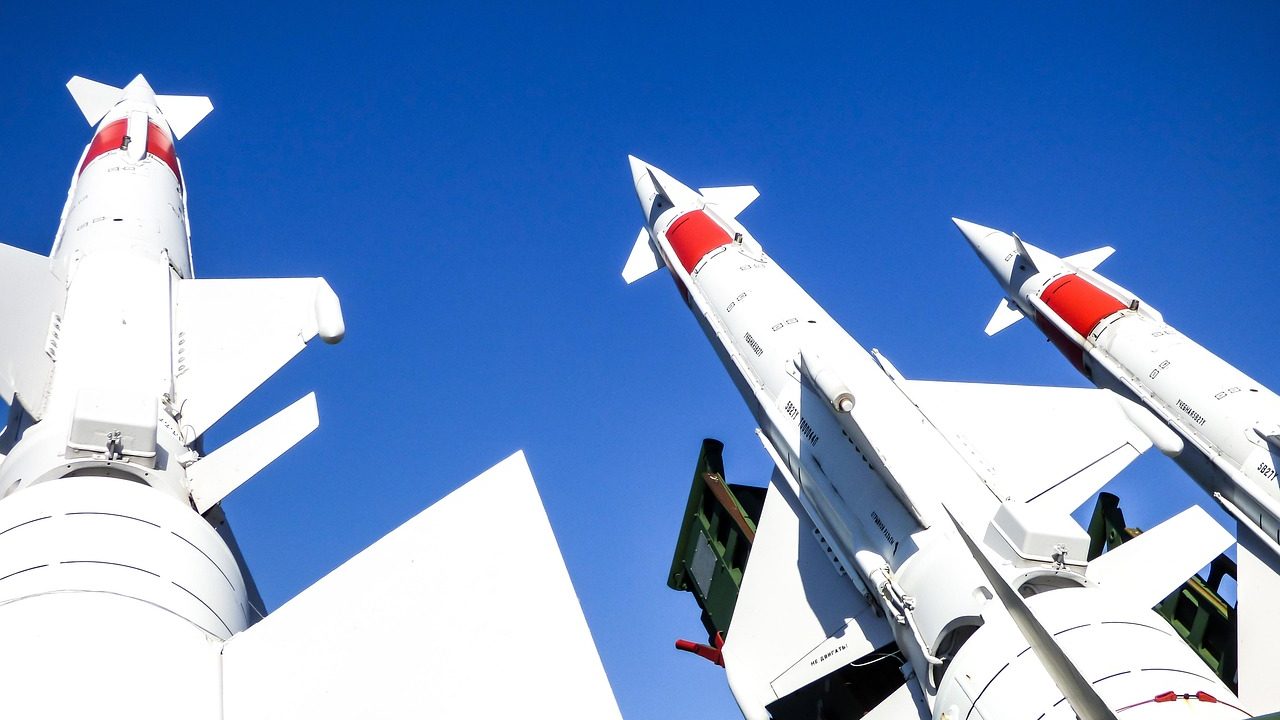
Ukraine's largest-ever drone attack on Moscow was timed with evident precision to coincide with President Zelenskyy's address to the United Nations — a dual signal to Western partners that Kyiv retains offensive capability and will, and to Moscow that the psychological cost of continuing the war now extends to the Russian capital itself.
The Russian political response has been to dismiss the attack militarily while reinforcing the domestic political narrative. Vladimir Putin's United Russia party won approximately 355 of 450 Duma seats across a three-day election, but the result reflects a tightly controlled vote that sidelined opposition candidates. The 78-percent seat share is a measure of how effectively the Russian state has closed off political alternatives, not a reliable gauge of genuine popular support.
Secretary of State Rubio's warning that the conflict could 'metastasize' — his specific word — points to a concern extending beyond geography: the potential for additional actors, weapons systems, and economic interdependencies to become entangled in the war, making eventual extraction progressively more costly. The Kremlin's dismissal of Zelenskyy's proposed trilateral summit with Putin and Trump as 'a waste of time without prior groundwork' forecloses a near-term off-ramp.
The United Kingdom and France both issued warnings this week about escalating Russian hybrid warfare — cyberattacks, disinformation campaigns, and infrastructure sabotage directed at European targets. That warning arrived alongside a U.S. intelligence finding that Russia is deploying AI-generated deepfakes specifically targeting competitive congressional districts ahead of U.S. midterm elections, with synthetic media now sophisticated enough to pass casual scrutiny.
Germany's internal fractures add another layer of uncertainty. The far-right Alternative for Germany party won a second German state government this week, giving it patronage networks and institutional presence that will shape federal politics. Chancellor Merz has vowed to remain, but a Germany consumed by internal divisions has less bandwidth for sustaining the financial, military, and political coalition that has underpinned support for Ukraine.