Iran Strikes US Naval Headquarters in Bahrain; Vance Conducts Unofficial War Assessment
How this was made Verified AI
Every Intellegix briefing is generated from that day's broadcast and run through automated checks before it publishes — with a human paged on any flag. Here is the trail for this edition.
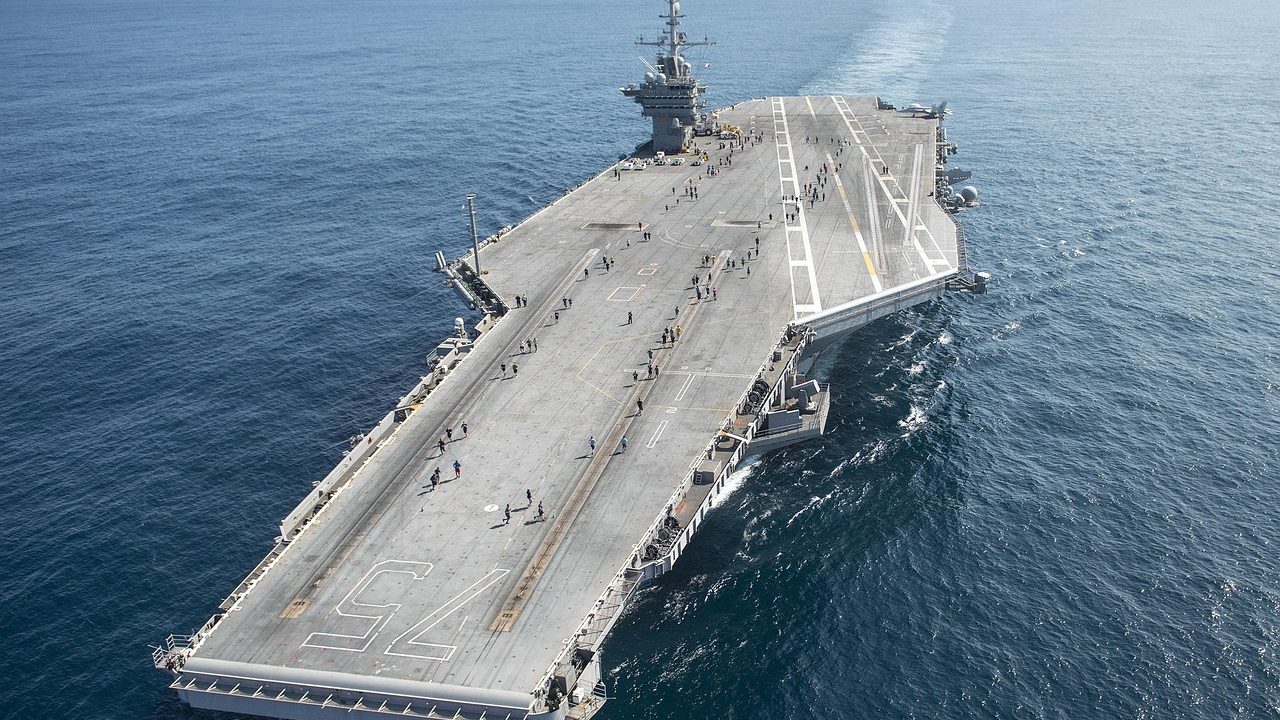
The acting Navy secretary this week confirmed that Iran struck the US military base in Bahrain with what he described, in notably undiplomatic terms, as serious force. Naval Support Activity Bahrain is the headquarters of the US Fifth Fleet — the command center for American naval operations across the Persian Gulf, the Red Sea, and the Arabian Sea. A direct Iranian strike on that installation, rather than an action conducted through proxies such as the Houthis in Yemen or militia groups in Iraq and Syria, removes the deniability layer that has characterized months of escalating pressure on US forces.
Reports this week indicate that Vice President JD Vance has been conducting back-channel conversations with senior military commanders, seeking candid assessments of a potential war with Iran — specifically whether US forces are positioned and prepared for such a conflict and what realistic costs and timelines would look like. Military advice to civilian leadership is formally supposed to flow through the Chairman of the Joint Chiefs and the Secretary of Defense. Conducting unofficial canvassing around those structures implies either distrust of official assessments or an effort to build a separate intelligence picture — and raises questions about internal administration divisions over how seriously to weigh the military option.
Treasury Secretary Scott Bessent has publicly pre-announced that the United States will sanction 'a large bank' on Monday for servicing Iran's financial network, declining to identify the institution or its country of origin. Pre-announcing a sanctions action is unusual; normally Treasury moves without warning to prevent capital flight or evasive action. Bessent's public preview appears designed either as an escalation signal to Tehran or to maximize psychological effect on markets and Iranian leadership.
Speculation in financial circles centers heavily on institutions in China, which has served as the primary conduit for Iranian oil revenues circumventing Western sanctions — Chinese refiners have been purchasing Iranian crude at steep discounts through third-country intermediaries. A designation targeting a Chinese bank would constitute a major escalation in US-China financial tensions at precisely the moment Xi Jinping is meeting Modi at BRICS in New Delhi, and would expose that institution to effective exclusion from dollar clearing — an existential threat to any major international bank's business model.
On the political front, Democrats have publicly vowed investigations and potential impeachment proceedings against Defense Secretary Pete Hegseth if they recapture the House, citing Iran war conduct, a series of officer firings they allege were politically motivated, and what they describe as opaque Pentagon business dealings. The explicit naming of impeachment as a potential remedy signals that political temperature around Iran policy is running at an extreme, though the ability to follow through depends entirely on November's midterm results.