Russia Targets Kyiv's Fuel Arteries as Europe's Gas Markets Flash Red
How this was made Verified AI
Every Intellegix briefing is generated from that day's broadcast and run through automated checks before it publishes — with a human paged on any flag. Here is the trail for this edition.
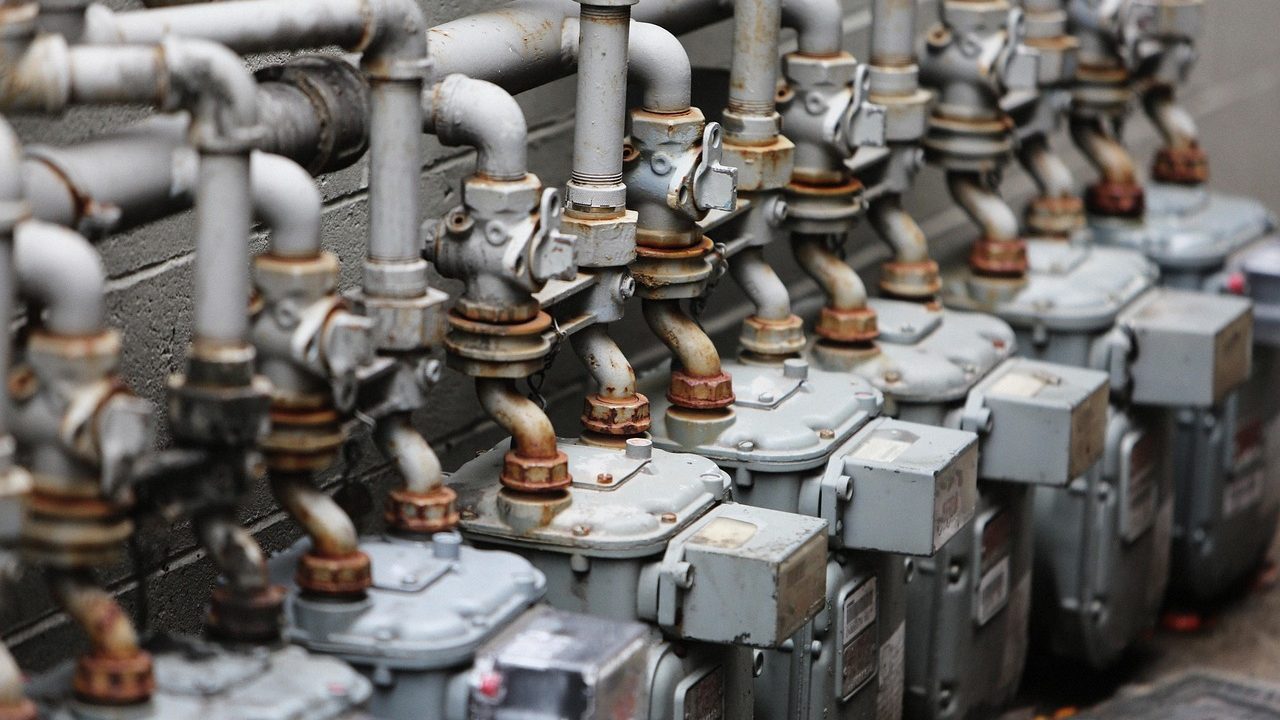
Russian drones struck Kyiv's gas stations for the second consecutive day, wounding five civilians in the latest wave. The targeting logic is deliberate: fuel infrastructure in a capital city simultaneously serves military logistics, emergency services, and civilian morale. Hitting it heading into winter is not a tactical improvisation but a strategic campaign.
The timing aligns with accelerating pressure on European energy markets. European TTF natural gas benchmark futures posted their fifth consecutive weekly gain, rising approximately twelve percent in a single week, with storage levels reported to be well below seasonal norms. Traders are pricing in a significant probability of a supply crunch before March.
The two stories — Ukrainian infrastructure strikes and European energy anxiety — are, in Moscow's strategic calculus, the same story told from different angles. Higher gas prices in Germany and France generate political pressure on European governments to seek off-ramps in Ukraine. Russia has pursued that logic since at least 2022, and analysts say it retains purchase.
A complicating factor is the Middle East. Several LNG tanker routes that would normally transit the Red Sea or pass near the Strait of Hormuz have been disrupted by Houthi activity and regional conflict, forcing costly rerouting around the Cape of Good Hope. European buyers competing for spot cargoes from the US Gulf Coast and Qatar face a market with insufficient supply to replace lost Russian pipeline volumes — a supply gap that the Bundesbank president this week suggested may force the European Central Bank to raise interest rates beyond the so-called neutral range into actively restrictive territory.
German industrial output has been contracting, and the manufacturing sector that forms the backbone of Europe's largest economy faces a structural competitiveness challenge once partially offset by cheap Russian energy. Raising rates into that environment carries significant recession risk — but the ECB's credibility as an inflation-fighting institution, built over decades, is also at stake. The chain from a Kyiv drone strike to a Frankfurt interest-rate decision is long, but real.