Twenty-Five Years On: The Anniversary the News Cycle Would Not Pause For
How this was made Verified AI
Every Intellegix briefing is generated from that day's broadcast and run through automated checks before it publishes — with a human paged on any flag. Here is the trail for this edition.
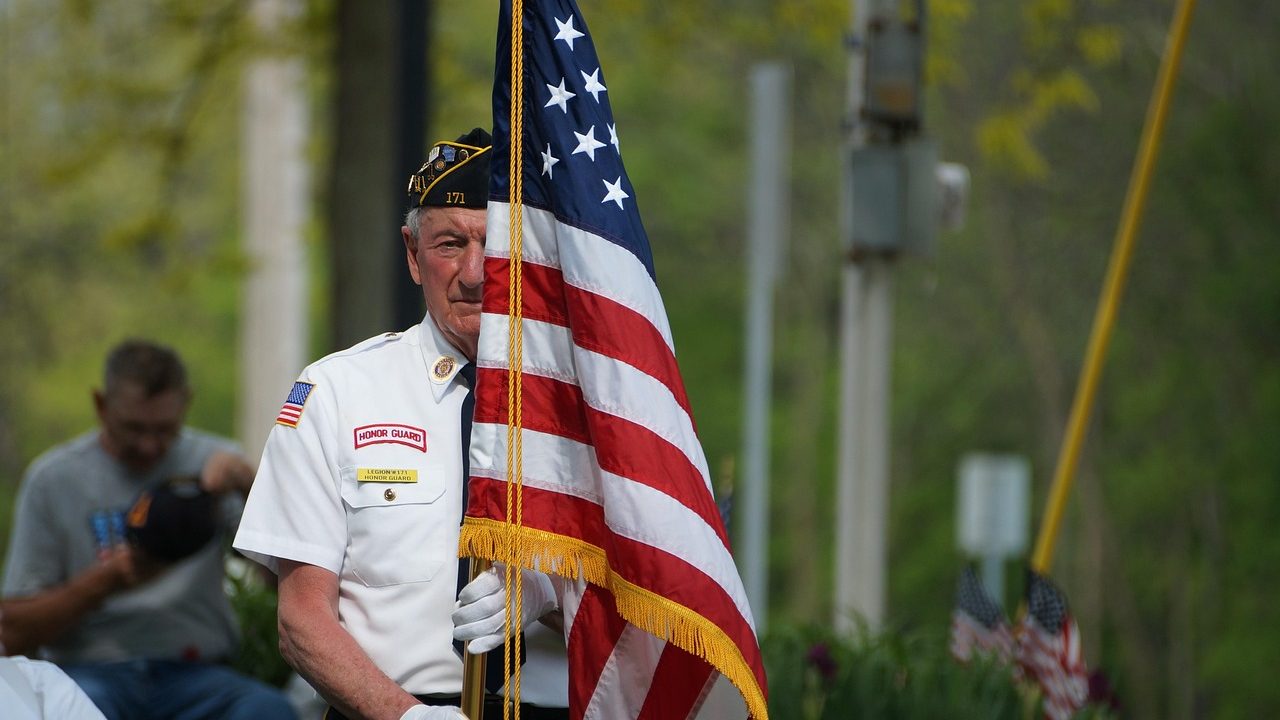
Friday marks the 25th anniversary of the September 11 attacks, which killed 2,977 people in the deadliest act of terrorism on American soil. Ceremonies are being held simultaneously at Ground Zero, the Pentagon, and Shanksville, Pennsylvania — sites whose names have carried the weight of that number ever since. The reading of names at Ground Zero now consumes an entire morning. Survivors who were in their twenties that day are approaching fifty; the children of the dead, who were themselves children in 2001, are now adults.
The anniversary arrives without pause from events that trace directly back to the world 9/11 made. A US congressional panel issued a warning on the anniversary itself that the Islamic State now conducts roughly two-thirds of its global activity in Africa — a dramatic geographic migration from the Euphrates River valley, Mosul, and Raqqa, where ISIS held territory in 2014. Today's most active theaters include the Sahel, the Lake Chad Basin, Mozambique, and the eastern Democratic Republic of Congo.
The commission's assessment is partly structural: degrading a terrorist network in one geography does not dissolve it but relocates it toward places where governance is weakest. Mali, Burkina Faso, and Niger have expelled French and American counterterrorism forces over the past three years, creating a security vacuum that groups affiliated with both ISIS and Al-Qaeda have moved into at speed. AFRICOM, the US military command covering the continent, has faced budget pressure and personnel drawdowns even as that threat has grown — a resource asymmetry the commission's report implicitly challenges.
The historiography of 9/11 is itself shifting. Primary school curricula are now treating the attacks the way previous generations treated Pearl Harbor — as history rather than living memory. The first generation of Americans for whom September 11 is purely a textbook event is in college. What that generational remove means for political will to sustain counterterrorism commitments globally is a question the commission's report, issued on this day deliberately, is pressing policymakers to answer.