An $800 Robot, a Jailbroken Clock, and the Future of Magnetic Tape
How this was made Verified AI
Every Intellegix briefing is generated from that day's broadcast and run through automated checks before it publishes — with a human paged on any flag. Here is the trail for this edition.
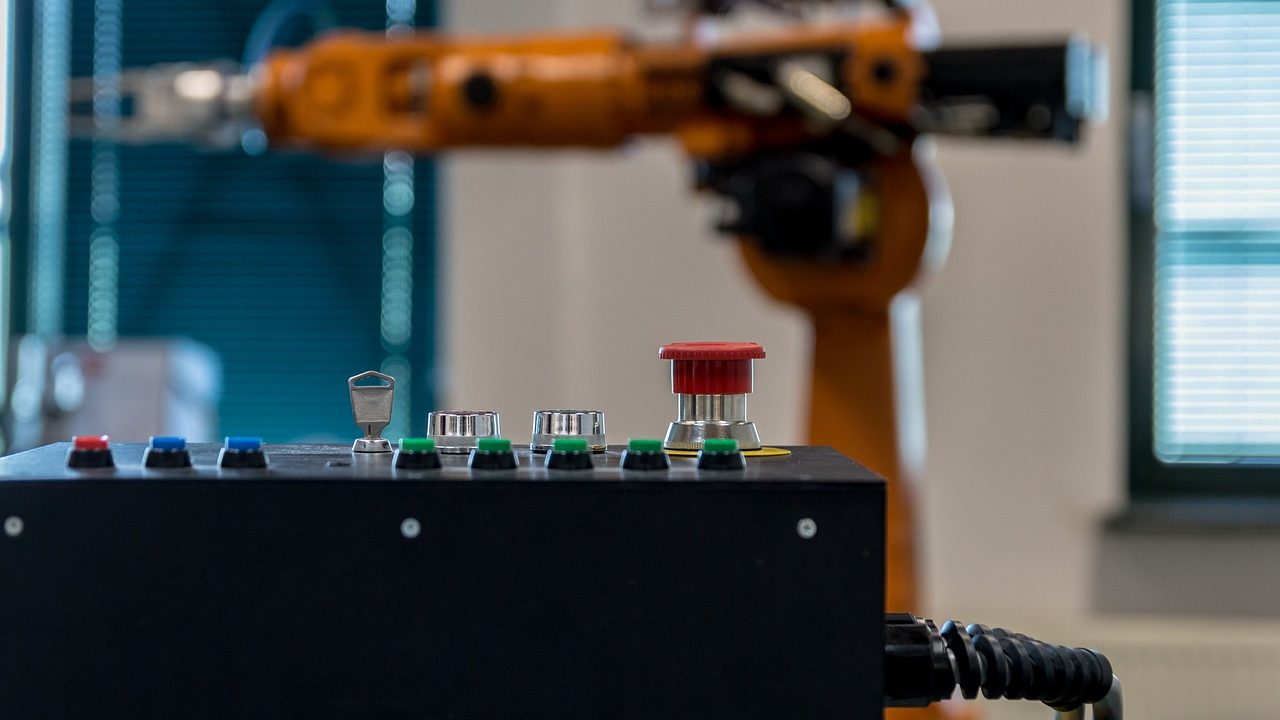
Stringman, an open-source room-scale gripper robot priced at $800, generated genuine excitement on Hacker News for compressing manipulation-capable robotics into a price range accessible to independent researchers and small companies. Using a cable-driven system — motors and strings positioning a gripper through three-dimensional space rather than a traditional articulated arm — it undercuts academic research platforms that typically cost five figures at minimum. The design files, control software, and bill of materials are all published, inviting community iteration on end effectors, control algorithms, and vision integration.
The Renault clock story provided a wry counterpoint. A developer published a meticulous technical writeup of reverse-engineering their car's navigation firmware — tracing display hardware, identifying a locked firmware partition, pushing a modified configuration — all to change a single digit on the clock after daylight saving time. The exercise reportedly took dozens of hours. The HN thread drew 323 comments, many from drivers sharing their own experiences with navigation maps costing $200 annually to update, features physically present in hardware but software-locked behind subscriptions, and head units integrated with vehicle CAN buses in ways the manufacturer controls. The right-to-repair argument, long debated for smartphones and computers, is sharpening around cars.
Fujifilm announced it is scaling magnetic tape production by five times, a strategic bet that archival demand from AI training pipelines will grow dramatically. The economics are compelling: LTO-9 tapes hold 18 terabytes native, with LTO-10 approaching 30, and total cost of ownership for cold storage on tape runs roughly one-fifth the cost of equivalent disk or object storage. When the subject is petabytes of training data accessed rarely but needing long retention, that differential is decisive. Hyperscalers appear to have provided purchase commitments sufficient to justify the investment.
Mars contributed an unexpected headline: researchers at Lamont-Doherty published findings that Valles Marineris — the Martian canyon system stretching roughly as wide as the continental United States — is still tectonically active today, based on seismic data and surface deformation analysis. The finding revises models of Martian geology and has implications for where water and volatile compounds might persist subsurface. It is, as one commentator noted, scientifically more solid than Mars life speculation, and received far less coverage.