NESformers, Wii Macs, and the Love of Constrained Machines
How this was made Verified AI
Every Intellegix briefing is generated from that day's broadcast and run through automated checks before it publishes — with a human paged on any flag. Here is the trail for this edition.
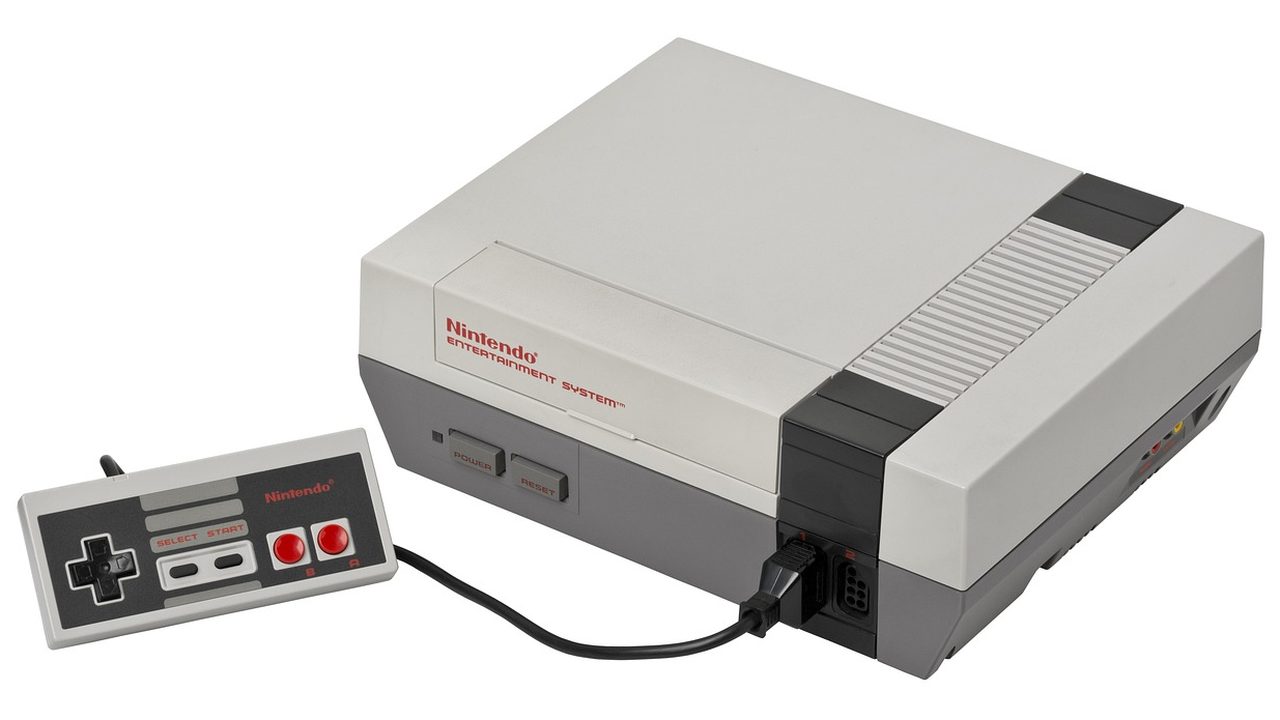
A GitHub project called NESformer — a working Nintendo Entertainment System running inside approximately one gigabyte of Qwen language model weights — gathered 256 points and 122 comments. The project, posted under the handle dbreunig, is not emulation in the conventional sense: the model learned NES behavior from gameplay data well enough to reproduce it from weights alone. The original NES ran at roughly 1.79 megahertz with 64 kilobytes of RAM; encoding a functional approximation of its behavioral space into a gigabyte of transformer weights implies that space is surprisingly compressible in the right representational format, which commenters described as a nontrivial result.
Comments debated whether the system is 'really' running a Nintendo or approximating one — a philosophical question about emulation versus simulation that several threads framed explicitly in Turing Test terms. If the model produces frame-perfect correct output for every game, does the underlying mechanism matter? The question remained productively unresolved.
A piece at virtuallyfun.com titled 'My favourite PowerMac is a Nintendo Wii' drew 314 points and 91 comments for its account of running Mac OS X on Wii hardware through a combination of virtualization layers and the shared PowerPC processor architecture that the Wii and the PowerMac G4/G5 series used. Separately, Infinite Mac added support for BeOS — the mid-nineties operating system that featured per-object threading, a 64-bit journaling filesystem, and real-time audio processing years before those capabilities were standard — making it browsable as a living historical document.
A Show HN from the creator of Marelleo, an open-source story box for children built on an ESP32 microcontroller, captured 78 points and 27 comments. The project at zebra.rodeo emerged because commercial alternatives did not do exactly what the developer wanted; its thorough documentation reflects the maker culture norm of building a thing, then open-sourcing it so others can do the same. A history of DEC's PDP series at entropicthoughts.com rounded out the day's retro computing thread, with the community noting that understanding why Unix and C were designed as they were requires understanding the constraints of the PDP-7 and PDP-11 — context that is explanatory rather than merely nostalgic.