HyperCard's Ghost, a Quantum Basement, and a Tank Game in the Browser
How this was made Verified AI
Every Intellegix briefing is generated from that day's broadcast and run through automated checks before it publishes — with a human paged on any flag. Here is the trail for this edition.
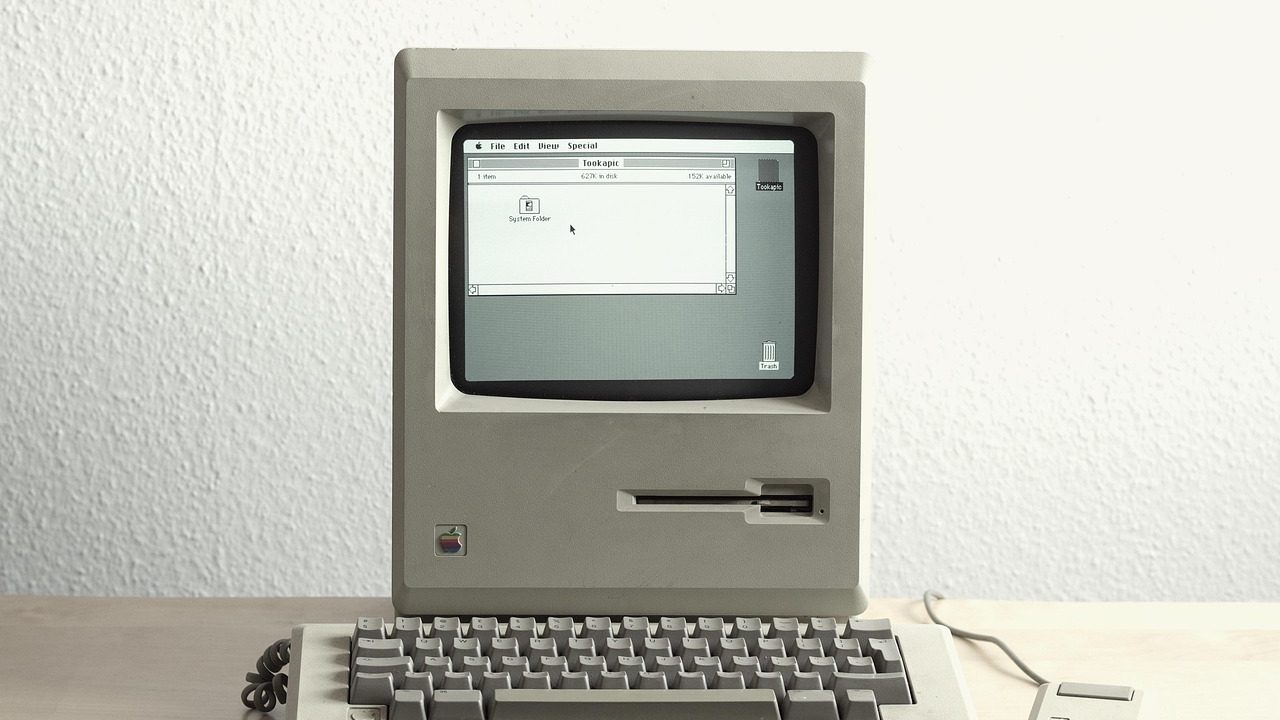
A four-year retrospective on Decker — a HyperCard-inspired creative computing environment — captures the appeal of tools that prioritize expressiveness over raw capability. HyperCard, Apple's 1987 tool that gave non-programmers access to interactive multimedia authoring, was discontinued in 2004; Decker is described as the most serious modern attempt to recapture that design philosophy. At the opposite end of the complexity spectrum, a Show HN entry for Linkit, a 100-percent free and open-source AI-powered bookmark manager, illustrates the growing category of personal information management tools built around LLM-powered organization — with the persistent open question of whether AI categorization reduces retrieval friction or replaces transparent tagging with opaque inference.
Quanta Magazine's piece on Hilbert space and quantum computational complexity is drawing clarification from HN commenters working in quantum computing, who are distinguishing between mathematical results about what quantum systems could do in principle and what near-term noisy intermediate-scale quantum devices can actually accomplish. The BZFlag Online project — which ports the 1990s open-source tank game to run in a browser via WebAssembly — and the Dorchester 3D-printed case that converts a ZX Spectrum Next into a laptop form factor both reflect a broader HN interest in retrocomputing preservation and the cultural memory of early home computing, particularly among British programmers for whom the original Spectrum represents a formative platform.