Sub-Micrometer Printers, a 6502 Laptop, and the Democratization of Precision
How this was made Verified AI
Every Intellegix briefing is generated from that day's broadcast and run through automated checks before it publishes — with a human paged on any flag. Here is the trail for this edition.
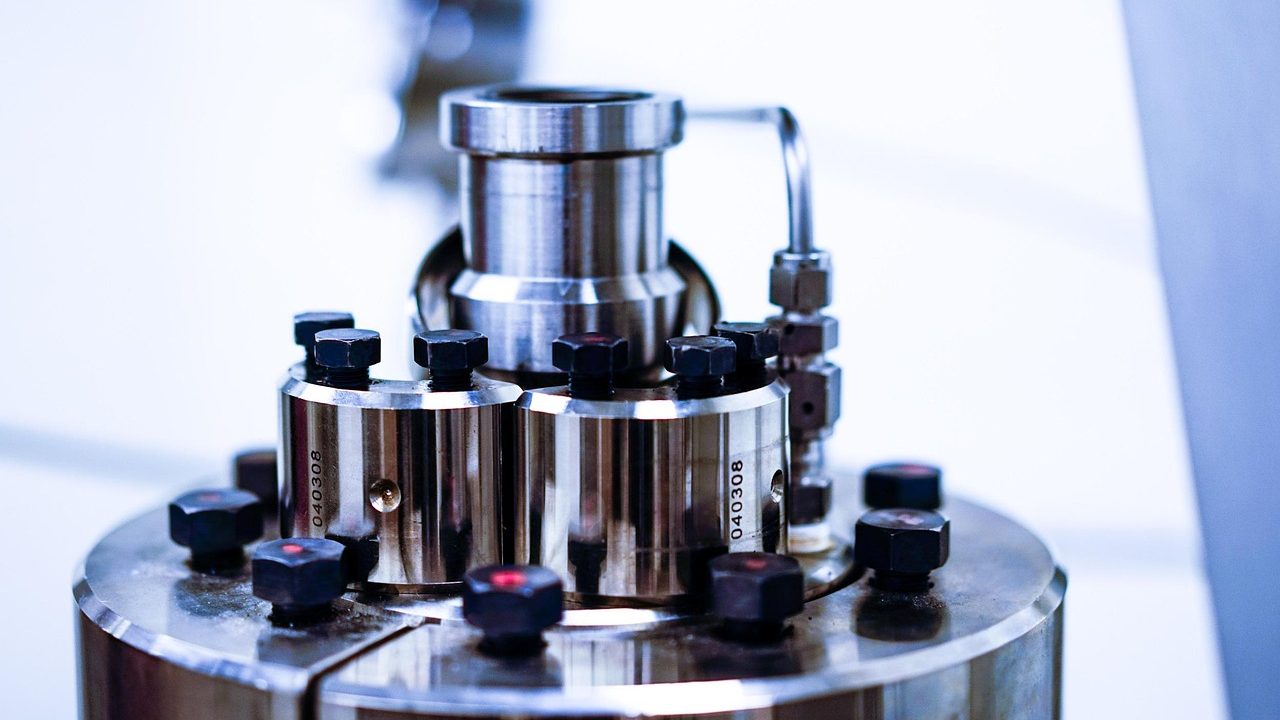
A through-line runs through today's hardware stories: projects where individuals or small teams have built things at levels of precision or ambition that previously required institutional resources. RepRapMicron, a GitHub project from Vik Olliver, is the most striking example. It gathered 401 points and 64 comments, and it extends the original RepRap democratization-of-manufacturing ethos into genuinely new territory — a motion platform operating at sub-micrometer accuracy, achieved by adapting the RepRap system with specialized lead screws, vibration isolation, and a thermal-drift-compensating control loop, rather than purchasing a commercial micro-positioning stage that might cost $10,000 to $100,000. The HN comment thread explored where the fundamental limits lie: eventually, the fight is against Brownian motion and thermal expansion in the structural members themselves.
The Open MicroManipulator project — 205 points, 16 comments — targets the same precision regime but for biological applications. Sub-micrometer 3D motion control underlies patch-clamp electrophysiology, microinjection, and in vitro fertilization procedures; commercial micromanipulators for these applications typically cost $50,000 to $200,000. The open-source version appears to bring that cost down dramatically. The low comment count likely reflects that the researchers who most need this tool — wet-lab biologists — are not the most active HN commenters, but the practical implications for research groups in lower-income countries are concrete.
A functional laptop built around the MOS 6502 CPU — the chip that powered the Apple II, Commodore 64, Atari 400 and 800, BBC Micro, and original Nintendo Entertainment System — drew 145 points and 67 comments. Running at roughly one megahertz, the machine actually executes programs, and the HN thread became a serious conversation about what 'useful' means for a computer: several commenters argued that for text editing, serial communication, and simple data logging, a 1 MHz 6502 with adequate RAM is not meaningfully limited compared to a modern machine.
The PalmOS Lemmings port — 134 points, 32 comments — rounded out the retrocomputing cluster. The original Lemmings was released in 1991 by DMA Design, the studio that later became Rockstar North. The GitHub repository of the PalmOS port now functions as a historical artifact, with the comment thread evoking the extraordinary engineering constraints Palm developers worked under. Free Pascal's new dynamic packages feature — 166 points, 39 comments — also fits this tradition: the compiler that kept Pascal alive through the decades when major companies abandoned it can now load components at runtime rather than requiring static linking, enabling hot-reloading and modular application distribution.