Preserved BBS Sessions, Nobel Chemistry, and What the Planet Is Actually Made Of
How this was made Verified AI
Every Intellegix briefing is generated from that day's broadcast and run through automated checks before it publishes — with a human paged on any flag. Here is the trail for this edition.
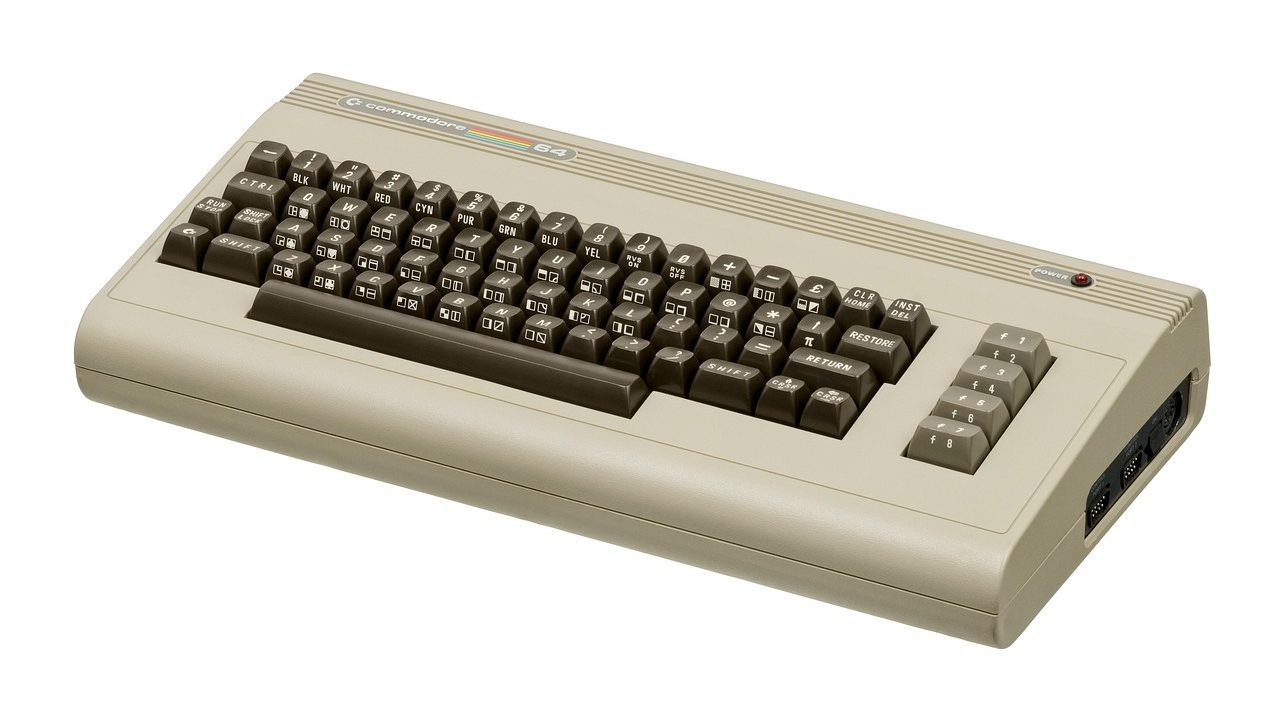
The Commodore 64 keyboard font project — a typeface painstakingly recreated from photographs of actual C64 keycaps by a creator identified as szabadkai — scored 90 points with 17 comments, and the thread was a genuine delight. The creator photographed multiple keyboards to capture the exact letterforms, spacing, and color gradations of the original Commodore typeface, treating preservation as an art form in its own right. Comments ranged from memories of specific C64 software to debates about which production era of Commodore keyboard had the most authentic aesthetic.
La Cueva, a 1993 Mexican BBS session replay published by retro computing figure nanochess, scored 54 points with 17 comments. The interactive replay shows ANSI art, menus, and chat scrolling at the pace they would have appeared over a modem connection, functioning as a primary source document of early Mexican internet culture. The BBS era left little structured documentation — most of what happened in those communities existed on hardware that has long since died — making a recoverable session replay archaeological in value.
The piece 'What's Earth's dominant species by mass?' scored 261 points with 192 comments, and the discussion was broad. The answer, for those who have not encountered it: by animal biomass, the dominant species is livestock — cattle specifically, when managed animal biomass is counted. Including all living matter, bacteria and plants dominate by orders of magnitude, with humans representing a rounding error in the planetary carbon budget. One commenter's argument that ecosystem influence might be a more meaningful measure than raw biomass — by which metric humans have clearly restructured the planet in ways bacteria have not — generated substantial discussion about what the word 'dominant' actually means as a concept.
The Nobel Prize in Chemistry went to Henri Kagan and Kenso Soai for their work on asymmetric catalysis and autocatalysis. Kagan's chiral ligands and Soai's autocatalytic reaction represent decades of foundational research into how molecular chirality — the 'handedness' of molecules — can be controlled and amplified in chemical synthesis. The pharmaceutical implications are significant: most drugs are chiral molecules, and producing only the active enantiomer rather than a racemic mixture is both safer and more efficient. The Soai reaction, in which a product catalyzes its own formation and tiny initial chirality imbalances amplify dramatically, has been used as a model system for thinking about how biological homochirality — life on Earth uses exclusively left-handed amino acids — might have emerged from prebiotic chemistry.