Qualcomm Pays Huawei for Chip IP, Scrambling the Sanctions Narrative
How this was made Verified AI
Every Intellegix briefing is generated from that day's broadcast and run through automated checks before it publishes — with a human paged on any flag. Here is the trail for this edition.
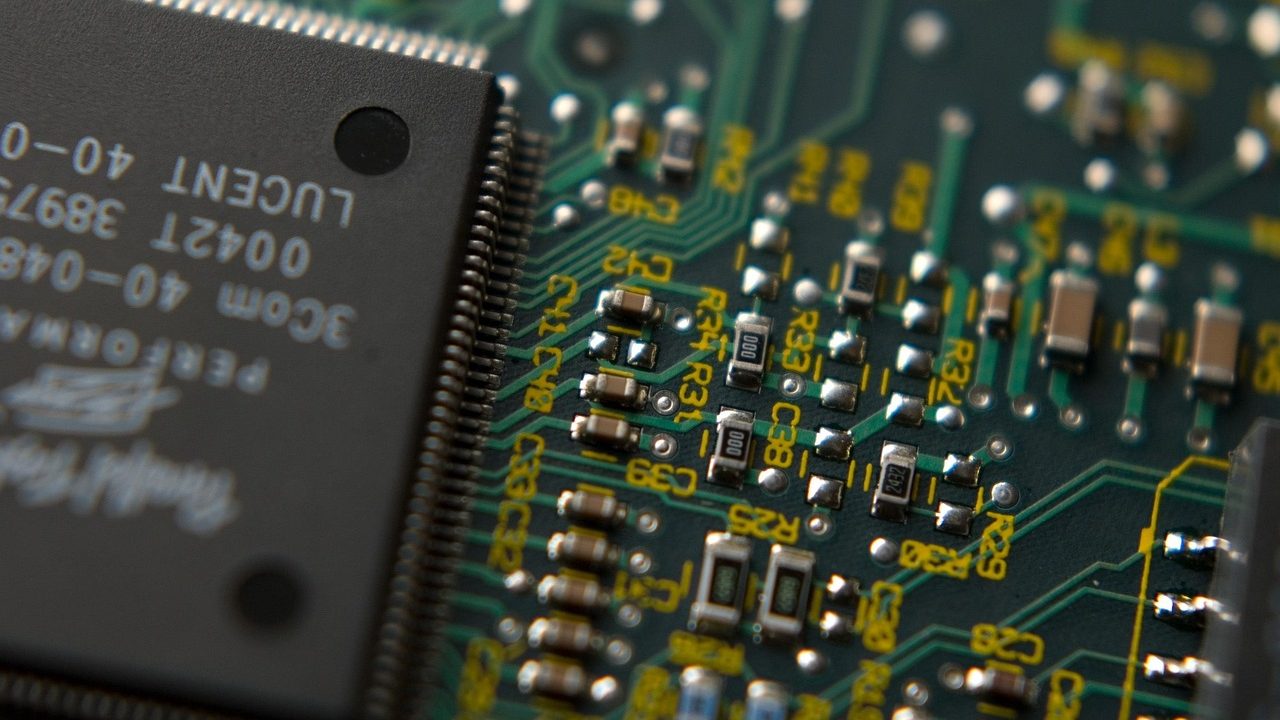
Qualcomm has licensed patents covering Huawei's LogicFolding chip technology, a three-dimensional stacking approach that folds computational logic across multiple die layers to reduce interconnect latency and improve power density. The deal is legally distinct from the export controls that have barred American companies from supplying advanced semiconductors to Huawei since 2019 — this is intellectual property flowing in the opposite direction — but it carries significant implications for how Huawei's technical standing is understood.
The interpretation that Huawei's fabless design capabilities have genuinely advanced during the sanctions period gained credibility in 2023, when Kirin chips built on SMIC's seven-nanometer process reappeared in smartphones, demonstrating that export controls had not achieved their stated goal of blocking advanced chip production. A patent licensing arrangement in which Qualcomm pays Huawei for packaging IP is, in some readings, an acknowledgment of that same reality: American chip companies argue they are losing revenue without meaningfully slowing Chinese development.
Qualcomm does not license patents it does not need. If the company's engineers evaluated alternatives and concluded that LogicFolding provides something their own roadmap does not cover as well, that judgment constitutes a meaningful signal about Huawei's current technical position. How the Commerce Department and relevant congressional committees respond — given the clear legal distinction but complicated political optics — remains to be seen.