Smaller, Faster, Cheaper: The Micro-AI Wave Takes Shape
How this was made Verified AI
Every Intellegix briefing is generated from that day's broadcast and run through automated checks before it publishes — with a human paged on any flag. Here is the trail for this edition.
Anthropic's release of Claude Sonnet 5.5 landed as the second most-engaged story on Hacker News, drawing eight hundred and seventeen points and five hundred and fifty comments. Benchmark numbers circulating in the thread suggest meaningful improvements on multi-step reasoning tasks, and the community is conducting its usual rigorous cross-model comparisons — running identical prompts through multiple frontier models and posting results inline. The general shape of the feedback is that Sonnet 5.5 follows nuanced, multi-constraint instructions more reliably than its predecessor and shows greater resistance to the kind of prompt injection documented in the butterfly-tracker paper, though whether that improvement is structural or behavioral remains an open question.
A model called Jeff — 0.8 billion parameters, decision-focused, described as Jev-compatible, and trained on consumer hardware at home — is generating serious traction with five hundred and twelve points and a hundred and ninety-six comments. Its headline figure is roughly thirty milliseconds of inference latency, which compares favorably to the hundreds of milliseconds or multi-second response times typical of API-based frontier model calls. For decision-making loops inside agent systems that make many sequential small calls, that difference compounds. Jev compatibility means Jeff can plug into existing agent orchestration frameworks without custom integration work, making it a practical component rather than an interesting demonstration.
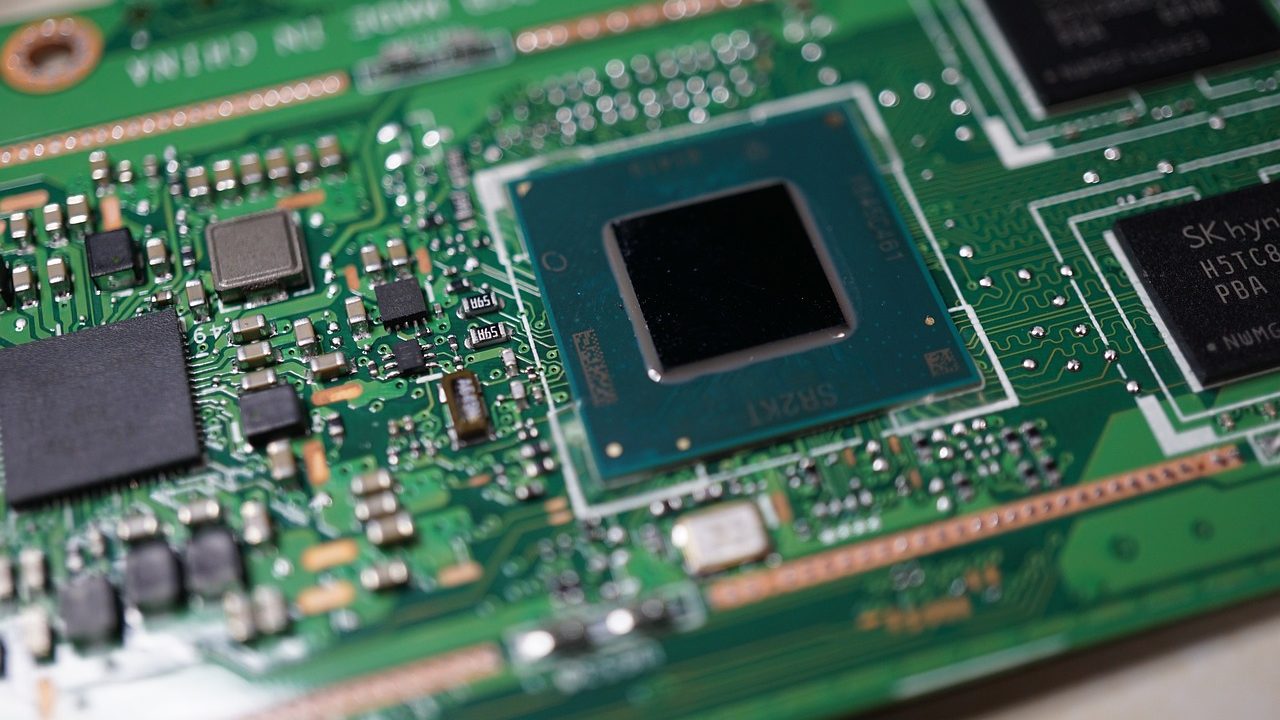
The ESP32S3 cluster project pushes the miniaturization argument further. A researcher built a cluster of microcontrollers — chips that normally cost a few dollars each and are designed for IoT devices — and got a 1.58-bit BitNet language model running on them. BitNet is Microsoft Research's architecture for extreme quantization: instead of sixteen-bit or eight-bit floating-point weights, the model operates with weights that are essentially ternary — negative one, zero, or one. The compression is extraordinary. The point, as the HN community reads it, is not the use case but the implication: if inference can run on chips designed for temperature sensors and WiFi switches, the assumption that AI requires specialized accelerators looks like a transitional constraint rather than a permanent one.
The MicroLLM Lab project, available at stateofutopia.com, extends the same logic to the browser. Seven small models run entirely in-browser with no server calls and no API keys required, drawing two hundred and fifty-one points and eighty-seven comments. Three different projects — Jeff, BitNet, MicroLLM — represent three different implementation approaches to the same question: how small can capable AI get? The HN community, which has strong opinions about infrastructure costs, data privacy, and deployment complexity, is responding to all three because local inference solves problems that API-based inference does not, including the privacy vulnerabilities documented in the butterfly-tracker research.
Nvidia's proposal for a dedicated watchdog chip — silicon that would sit alongside AI agent deployments and monitor their behavior in real time — frames the oversight problem in hardware terms. The technical debate in that thread divides between those who call this security theater, arguing that a watchdog monitoring a system it does not fundamentally understand offers a false guarantee of safety, and those who argue that hardware-level oversight is harder to circumvent than software-level oversight precisely because it is harder to update or manipulate. The deeper question the thread is circling is whether safety constraints belong in the model itself, in the deployment environment, or in dedicated hardware — with the emerging answer being that all three layers probably need to be doing something.