Spymarks, Apple, and the Widening Gap Between Consent and Reality
How this was made Verified AI
Every Intellegix briefing is generated from that day's broadcast and run through automated checks before it publishes — with a human paged on any flag. Here is the trail for this edition.
A piece on 'Spymarks' drew 120 comments for raising concerns that go well beyond traditional digital watermarking. Where conventional watermarks allow an organization to forensically identify a leak after the fact, Spymarks as defined by the brand.io article are designed to report back in real time to whoever placed them — transmitting IP address, device fingerprint, and access time — without any indication to the person who opened the document. The 120-comment thread worked through the distinction between legitimate use cases, such as corporate data-loss prevention or tracking leaks of classified material, and more troubling ones, noting that a system designed to catch journalists leaking government documents is functionally identical to one designed to monitor employees talking to union organizers.
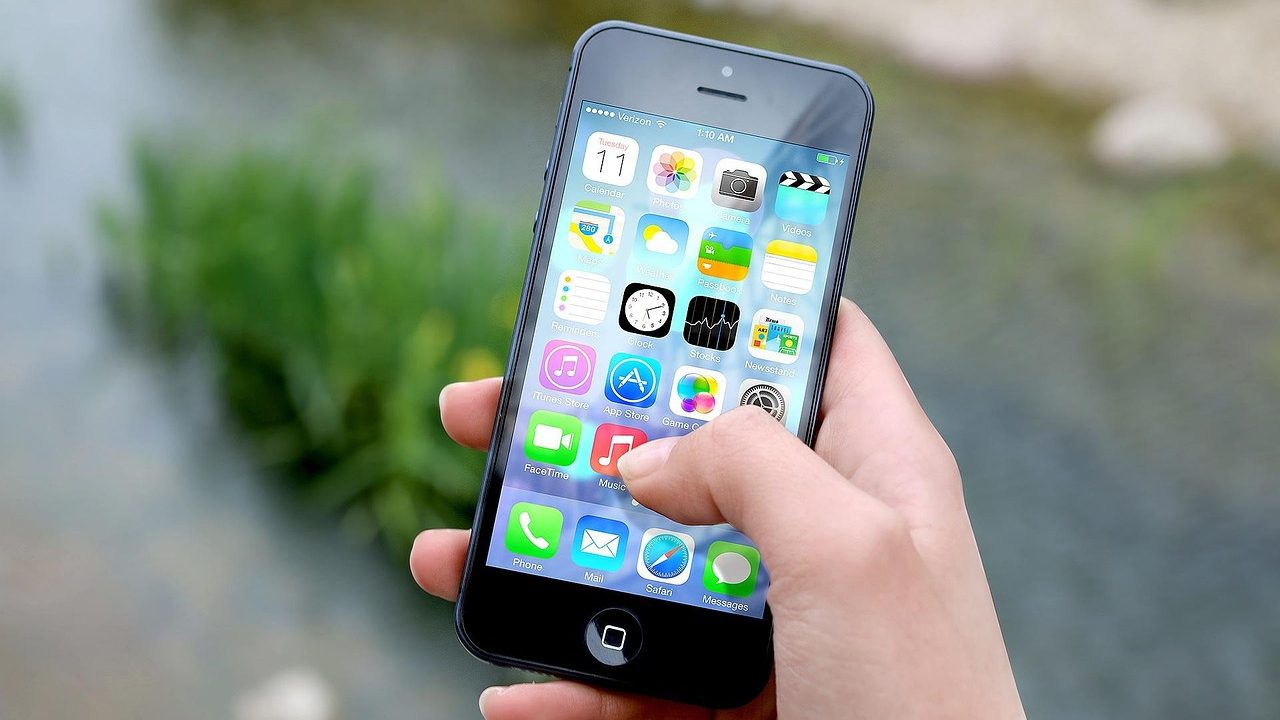
A separate post — 'I Said No and Apple Said Yes,' from author David Bushell, drawing 262 points and 189 comments — described Apple Intelligence activating and processing content in ways that contradicted explicitly configured privacy settings. Apple has staked a significant part of its AI strategy on the claim that on-device processing and user control differentiate it from competitors; if that claim is eroding in practice, the reputational cost is higher for a company that made privacy central to its brand than it would be for one that never made the promise.
The regulatory landscape complicates accountability. The United States has no comprehensive federal privacy law, and the FTC's authority under Section 5 of the FTC Act — prohibiting unfair or deceptive practices — sets a high bar when behavior is disclosed somewhere in a lengthy privacy policy. The EU's Digital Markets Act is more directly applicable: Apple is already fighting multiple DMA compliance battles in Brussels, and the kind of data-use behavior Bushell documented is precisely what EU investigators have found actionable, particularly if processing creates advantages for Apple's own services that competitors' apps cannot access.
A lighter but genuinely inventive piece, 'SemFont' by Rohan Adwankar, described a font that renders differently depending on the semantic content of what was typed — certain words or phrases trigger different visual treatments. Framed more as art project than product, it prompted an HN discussion about whether the display layer could become a site of meaning-making rather than a neutral carrier of text.