RSA-896 Falls, Signals Travel Oceans, and the 'A' Before History
How this was made Verified AI
Every Intellegix briefing is generated from that day's broadcast and run through automated checks before it publishes — with a human paged on any flag. Here is the trail for this edition.
RSA-896 has been factored. The number after 'RSA' denotes key size in bits; RSA-2048 is what most systems use today, and RSA-896 has not appeared in production systems for over a decade. But the RSA Factoring Challenge's semi-prime numbers serve as benchmarks for progress in computational number theory, and each factored milestone is a data point in how fast the safe key-size frontier is moving. The 52 comments on this post were careful to separate the immediate practical threat — essentially none — from the directional signal, which matters for the timeline of migrating to post-quantum cryptography, a transition the industry has known was necessary but has been slow to execute.
At the intersection of cryptography and image processing, a paper on 'ZK-JPEG' is applying zero-knowledge proofs to image editing: proving that an image was derived from an original without revealing the original, or proving that specific edits were made without disclosing the full editing history. The computational overhead remains significant, but the applications for content authentication and combating deepfakes are real.
The linguistics post 'English: A vs. An,' from the redblobgames blog, generated more comments than upvotes — 324 to an unspecified upvote count — suggesting it touched a nerve. The rule most English speakers learned, that 'a' precedes consonant sounds and 'an' precedes vowel sounds, is mostly correct, but the post traces exceptions involving acronyms, initialisms, and borrowed words that reveal a divergence between spoken and written English. The observation that 'a historic' versus 'an historic' represents a British-American dialect split, with both defensible on slightly different pronunciation norms, apparently made descriptive linguists happy and prescriptive grammar enforcers the opposite.
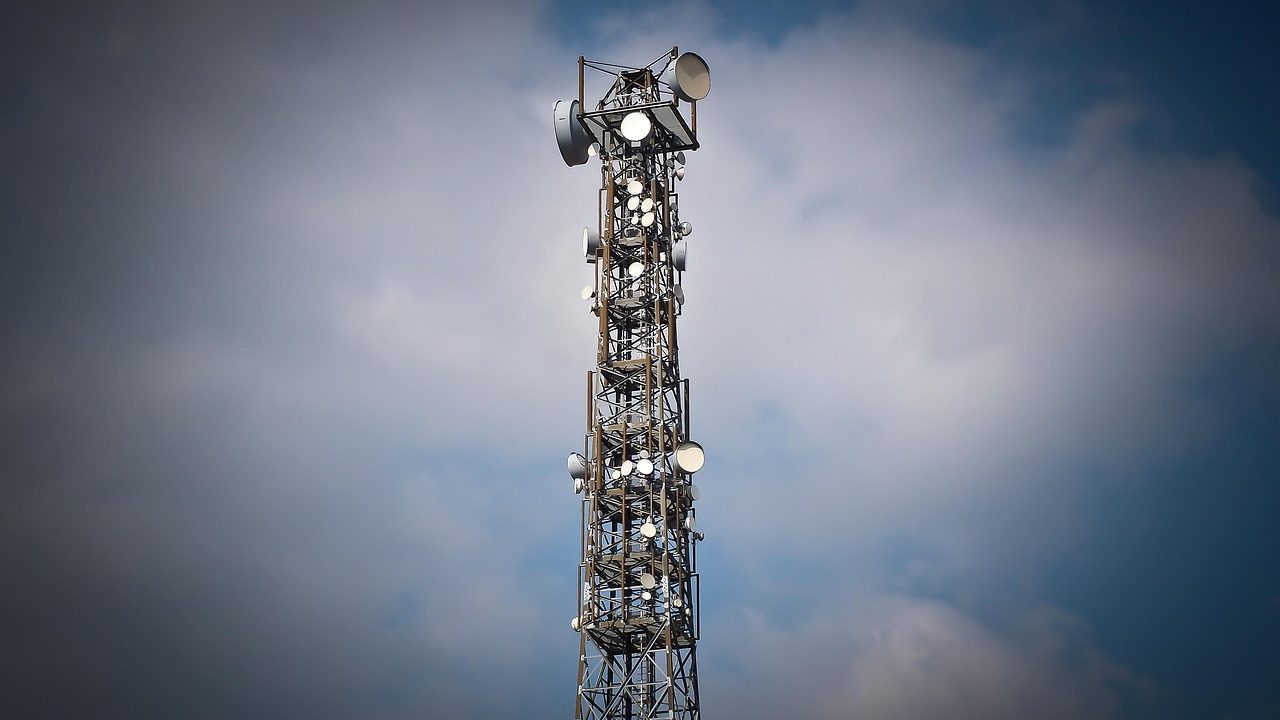
A shorter piece on tropospheric ducting — atmospheric conditions that occasionally propagate FM radio signals thousands of miles beyond their normal range, sometimes allowing American listeners to receive European stations — drew 24 upvotes and three comments. It is not a large story, but it exemplifies a category of physics-meets-lived-experience writing that the Hacker News readership consistently rewards.