Onion Futures, Apple Silicon Records, and the Piracy Infrastructure That Invented Distribution
How this was made Verified AI
Every Intellegix briefing is generated from that day's broadcast and run through automated checks before it publishes — with a human paged on any flag. Here is the trail for this edition.
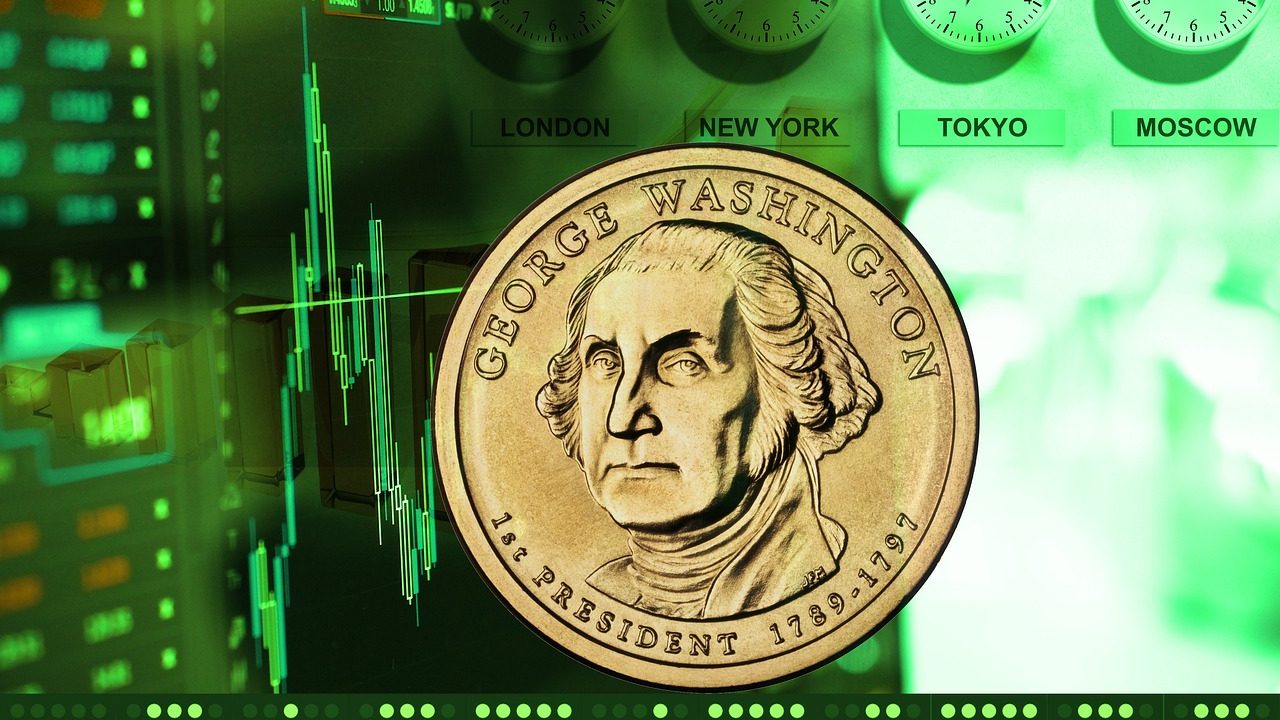
The San Francisco Onion Futures Company drew 209 points and 76 comments on Hacker News this week, surfacing a piece of financial history with durable relevance. The Onion Futures Act of 1958 is the only commodity-specific futures ban in United States history, passed after onion prices collapsed dramatically in 1955 and 1956 partly as a result of speculative futures trading. The counterintuitive result — onion prices have reportedly been more volatile since the ban than before it — gave the Hacker News thread material for a debate about what commodity futures markets actually do, whether regulatory interventions in complex markets produce their intended effects, and how the political economy of commodity trading shapes legislation.
Apple's M6 Pro appeared in Geekbench 7 this week with what the listing described as the highest single-core CPU score recorded on the benchmark, a result the Hacker News community received with characteristic skepticism about Geekbench as a measure of real-world performance while acknowledging that Apple's custom silicon trajectory since M1 has been consistent enough to make the directional claim credible. Single-core performance matters for workloads that do not parallelize well, which covers a significant share of common computing tasks.
The week's most historically textured story may have been the resurfacing of 'Warez: The Infrastructure and Aesthetics of Piracy,' a 2021 book that earned 171 points and 74 comments. The book covers the Scene — the underground network of software crackers and distributors that operated from the 1970s through the early internet era with organizational sophistication that included NFO files, release groups, topsite hierarchies, and structured metadata for coordinated digital distribution, all built entirely outside legal frameworks. What makes this historically interesting rather than merely nostalgic is how much of the architecture the Scene developed preceded legitimate distribution systems: content delivery networks, versioned software releases, and structured release metadata were being implemented in illegal contexts years before they became standard commercial practice.
A piece from researcher J.E. Pedersen, titled 'Science Is Open Software,' argued that scientific research and open-source software development share deep structural similarities as cumulative knowledge projects where transparency enables verification and reuse, and that the incentive structures of academic publishing — which reward novelty over replication — are actively hostile to the kind of incremental verified progress that open-source development enables through code review and version control. The NASA-IBM Lunar Foundation Model, a geospatial AI model trained on planetary science data and released as open source through a collaboration between a government agency and a corporate research lab, appeared nearby as a quieter illustration of the same principle applied to scientific AI.