From Two Brains to a New Cat Species: Science Has a Big Week
How this was made Verified AI
Every Intellegix briefing is generated from that day's broadcast and run through automated checks before it publishes — with a human paged on any flag. Here is the trail for this edition.
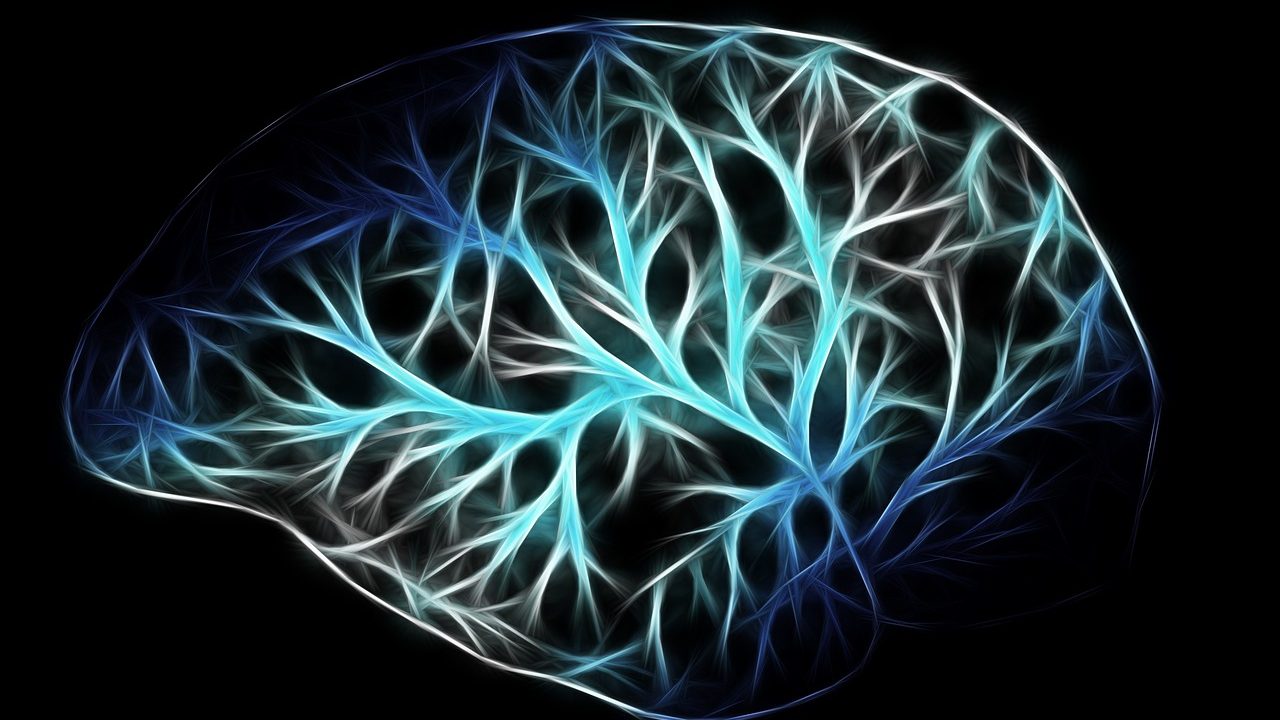
Stanford Medicine published research this week arguing that the human brain functions as two genuinely separate organs — not merely loosely divided hemispheres in the manner of decades-old pop psychology, but structurally and operationally distinct in ways that may make calling it 'one organ' scientifically imprecise. The research draws on detailed anatomical and functional mapping data to make the case that the coordination between the two halves involves such distinct processing pipelines that conventional framing may no longer hold.
The finding landed on Hacker News to more than a hundred comments and a sharply divided response. Neuroscientists pushed back on the framing, arguing that corpus callosum integration is too robust to support a 'two organ' label, while others contended that the researchers were making a narrower, more defensible claim than the headline suggests — a gap between finding and headline that is, as commenters noted, almost always present in brain science reporting.
The implications, if the research holds up, reach into stroke rehabilitation design and the long-studied phenomenon of split-brain patients, whose condition has been documented since Nobel laureate Roger Sperry severed the corpus callosum of epilepsy patients in the 1960s and demonstrated that each hemisphere could hold knowledge the other could not access. The Stanford work appears to argue that even in neurotypical brains, that separateness is more fundamental than the field has treated it.
Separate from human neuroscience, the week's biology coverage included the announcement of the first new wild cat species discovered in a hundred years — found in a region of Central Asia and distinct enough genetically and morphologically to qualify as a full species rather than a subspecies, the first such discovery since the 1920s. A nearby Hacker News thread also highlighted research from Quanta Magazine on ctenophores, gelatinous sea creatures that appear to have evolved neurons independently from every other animal with a nervous system — a finding that would challenge the assumption that nervous systems evolved once and radiated outward, suggesting the path from chemistry to cognition may be more accessible than previously thought.