School Bond Surge, Statewide Race Declared, and an Honest Audit of Measure B Optimism
How this was made Verified AI
Every Intellegix briefing is generated from that day's broadcast and run through automated checks before it publishes — with a human paged on any flag. Here is the trail for this edition.
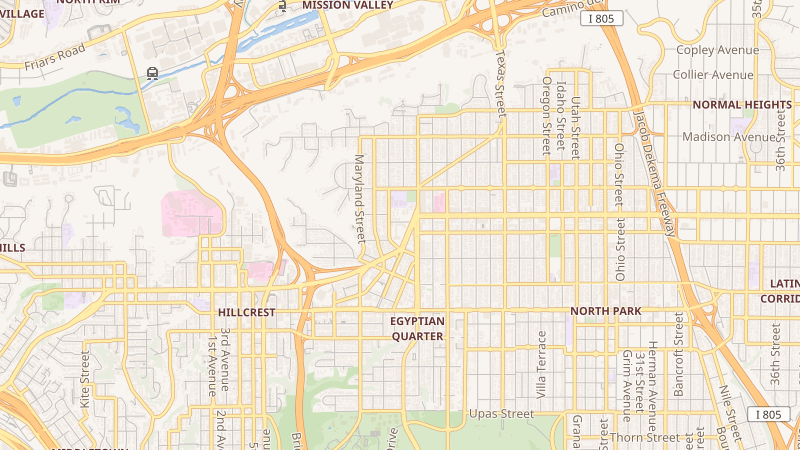
San Diego Unified's $3.5 billion Measure M appeared on track to pass with strong support in early returns — ten points above the 55% supermajority required for school bonds in California. If certified, it would be the district's fifth bond program since 2008, following four prior programs that generated approximately $11.5 billion in total. The proposed taxpayer cost is $32 per $100,000 of assessed property value annually. Proposed uses include repairs to aging buildings — which average 42 years old, with district estimates putting annual deterioration costs at $461 million — along with special-education facilities, security improvements, accessibility upgrades, transitional-kindergarten facilities, and potential workforce or teacher housing. Nine school-bond measures appeared on the county ballot in total, ranging from $9 million for Julian Union High School District up to the SDUSD measure; NBC 7's pre-election reporting had suggested a majority were likely to pass, pending December 3rd canvass certification.
In the statewide superintendent of public instruction race, San Diego Unified board member Richard Barrera declared victory over Sonja Shaw as of Thursday afternoon, though Shaw had not conceded and not all outlets had formally called the race. If his lead holds, Barrera would move from San Diego's school board to California's top education post. Meanwhile, San Diego Unified's 20-person Learner-Centered Technology Use Committee held its third meeting this month, still in early stages of establishing priorities, research frameworks, and community input processes — no final AI or device policy has been announced.
In North County, early returns showed Poway Unified incumbents apparently headed for reelection, with Del Mar and Rancho Santa Fe incumbents also leading in preliminary counts. In Ramona Unified, Dan Summers and Rodger Dohm were among early frontrunners across three trustee areas. All results remain preliminary pending certification.
The San Diego Clippers tip off their G League season Friday night at 7 p.m. against the Valley Suns at Frontwave Arena, 3475 Hero Drive, Oceanside — the NBA G League affiliate of the Los Angeles Clippers offering live basketball at an accessible price point. On the Padres offseason, The Athletic reported Friday that first baseman Ty France is a coveted free agent with mutual interest in a return to San Diego, though he is also open to exploring other options. The team also has outgoing minor-league free agents in Jagger Haynes and Tirso Ornelas, with roster-building decisions this winter rendered more complex by existing pitching commitments and Michael King opting out of his contract.
Turning to an honest self-assessment of the optimistic narrative around Measure B: the story most outlets — including this one — have been telling is that San Diego County has effectively voted itself $400 million to $450 million a year for health, safety, child care, and the Tijuana River. The facts support that framing if the results hold, but three significant uncertainties remain. First, the research did not establish when the tax would actually begin to be collected — ballot measures that pass in November do not instantly generate revenue, and implementation timelines, potential legal challenges, and rate-setting procedures all intervene. Second, the earmarks specify categories, not projects; the Board of Supervisors will exercise broad discretion over what specifically gets funded within those categories. Third, political durability is not guaranteed: the board composition that championed these measures reflects 2026 politics, and a tax that takes years to implement meaningfully could face a different environment by the time the first real programs are running. Three signals to watch: within twelve months, does the county publish a specific date collections begin? Within eighteen months, does a named Tijuana River infrastructure project get a contract and a Measure B budget line? And does the new ethics commission established under Measure A produce any actual enforcement actions in its first two years, or remain advisory in practice? If all three occur, the optimistic read will have been validated. If Imperial Beach is still posting beach closures in 2028 and the tax money is still being programmed, the gap between voter intent and institutional delivery will not have closed.