Santee Keeps Its Council Members, Rejects Its Infrastructure Tax
How this was made Verified AI
Every Intellegix briefing is generated from that day's broadcast and run through automated checks before it publishes — with a human paged on any flag. Here is the trail for this edition.
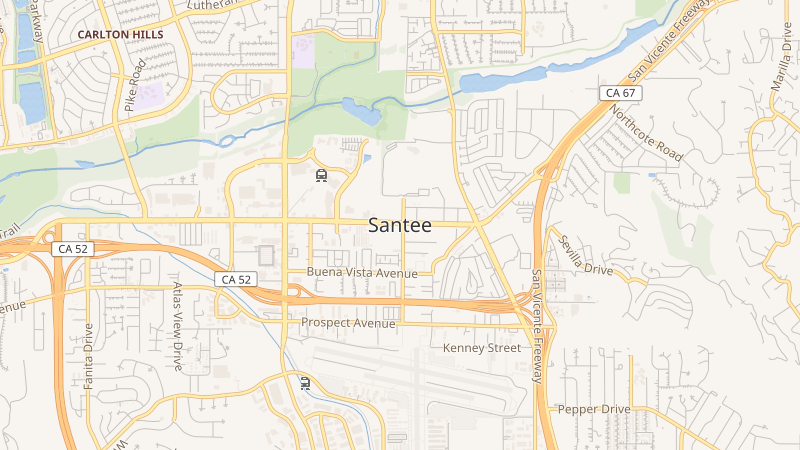
Early returns from Santee told a split story Tuesday night: voters appeared inclined to keep the council members they know while rejecting the tax measure those members — save one — had supported. Rob McNelis, serving on the Santee City Council since 2010, led Matthew Rascon in District 1. Ronn Hall, serving since 2014, led Eddie Vandiver — a Santee Chamber of Commerce board member who argued the city needed a change in direction — in District 2. Neither race should be treated as decided, but the early count favored the incumbents.
Measure Y — the proposed one-cent general sales-tax increase that would have raised Santee's rate from 7.75% to 8.75% for ten years — appeared to be heading toward rejection in early returns. The measure was projected to generate approximately $14 million annually for roads, fire stations, storm drains, and other city services, and included independent audits and a citizens' oversight committee. Hall was the only sitting council member to oppose it.
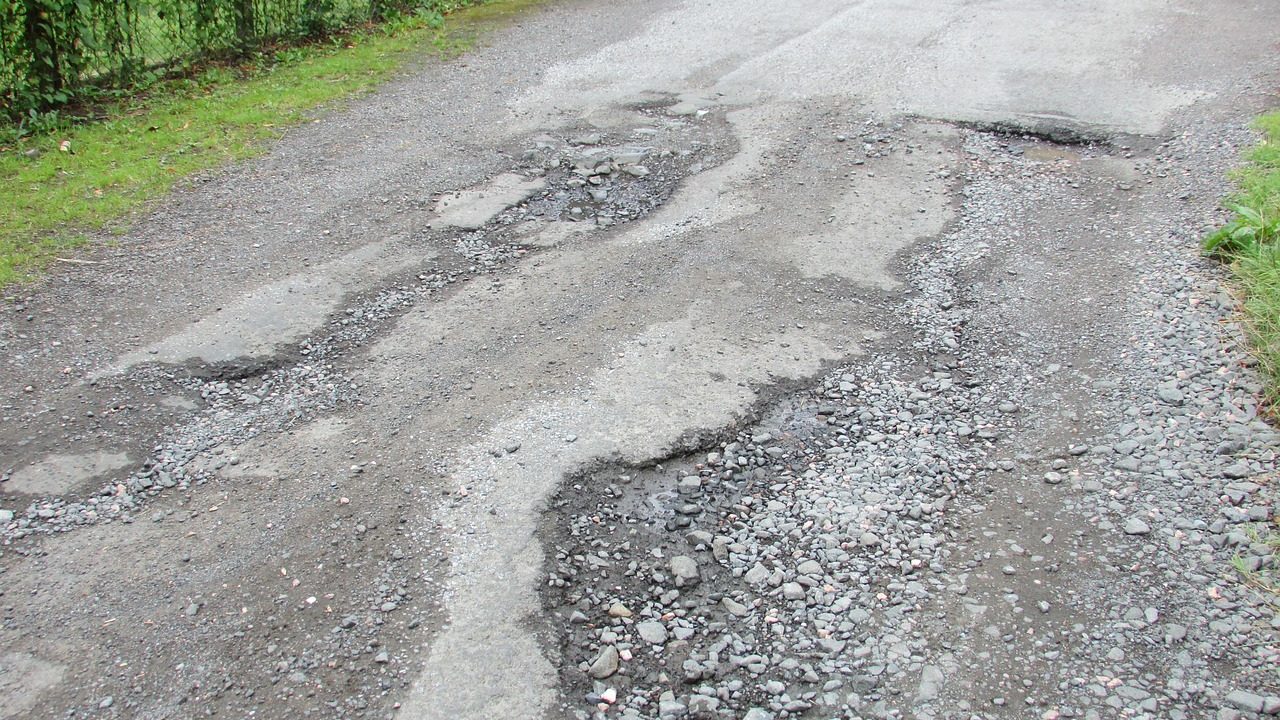
The figure that casts the sharpest shadow over that result is $327.7 million — Santee's estimated unfunded infrastructure backlog, the number city officials put on the table specifically to build the case for the tax. Voters appear to have looked at that number and still said no. What that means in practical terms is continued deferral of roads, fire facilities, and drainage work, with no publicly articulated alternative revenue source. The city's next budget cycle in spring 2027 will be the first real indicator of whether officials develop a credible alternative path or simply absorb the loss.
One additional development affects Santee residents beyond the ballot. CBS 8 reports that the California Public Utilities Commission will hold a meeting in Santee on Monday, November 10th, regarding SDG&E's proposed rate increase. The proposal involves an 8.6% residential rate increase scheduled to take effect at the beginning of 2028, subject to commission approval — meaning current bills are not changing January 1st. The meeting represents a formal opportunity for public input. CBS 8's report did not include a venue or time, so residents planning to attend should check with the CPUC or SDG&E directly for logistics.