City Declares El Niño Emergency; Water-Rate Overhaul Stalls Without Quorum
How this was made Verified AI
Every Intellegix briefing is generated from that day's broadcast and run through automated checks before it publishes — with a human paged on any flag. Here is the trail for this edition.

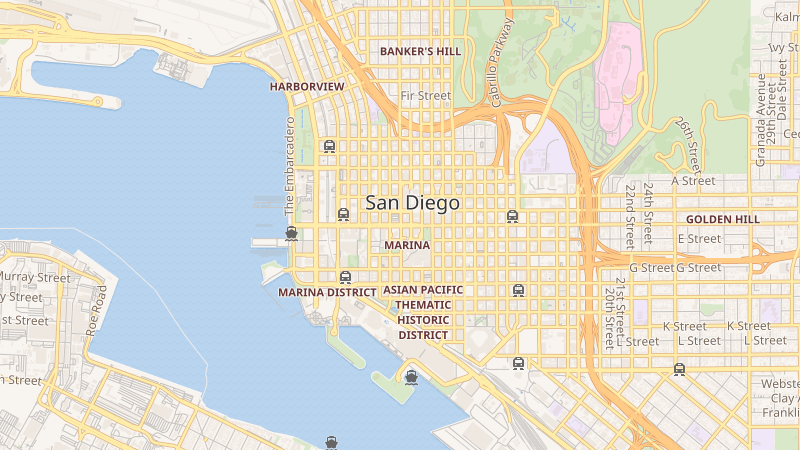
The San Diego City Council voted 6-0 Tuesday to declare a local emergency ahead of the coming El Niño season, aligning the city with a statewide declaration signed by Governor Newsom in September. The action does not restrict public activity or trigger evacuations; it instead grants the city access to emergency procurement powers — allowing flood prevention, drainage, and infrastructure work to proceed without full standard contracting processes — and positions San Diego to more efficiently pursue state and federal reimbursement if El Niño causes significant damage this winter.
El Niño events have historically elevated the risk of flooding, coastal erosion, bluff failures, and heavy rainfall for the San Diego region, and communities with local emergency declarations in place tend to access disaster funds more quickly after damaging events because the administrative groundwork is already complete. The unanimous vote reflects urgency that cut across political lines on the council.
A second major item from Tuesday's session remains unresolved. The council was scheduled to vote on replacing San Diego's seven-tier water rate structure with a uniform charge of $11.09 per hundred cubic feet, but three councilmembers — Marni von Wilpert, Stephen Whitburn, and Sean Elo-Rivera — were absent, preventing the council from moving forward. The vote is now postponed to October 27th, with a deadline of November 12th for the required action.
The stakes of that vote are concrete and unequally distributed. Under the proposed uniform rate, lower-volume single-family customers would carry approximately 7.1 percent more of the citywide water bill burden relative to the current tiered system, while average-volume single-family households would pay about 5.9 percent more. High-volume users — those with irrigation-heavy properties — would pay 5.9 percent less, and irrigation customers would see a 6.7 percent reduction. Apartment and condo residents would receive reductions of roughly 2.2 to 2.6 percent. Proponents argue a uniform rate is simpler and more legally defensible, since California tiered systems have faced legal challenges requiring tiers to reflect actual delivery costs; critics contend the change undermines conservation incentives at a moment of water-supply uncertainty.
Tuesday's council agenda also included two consent items: a proposed three-year, $24.928 million contract with SHI International for Microsoft software and services, and authorization to pursue up to $1,559,752 in EPA funding for Pump Station 2 modernization. Final roll-call results on those items were not available before the reporting deadline.