Trash Fees, Term Limits, and the Tijuana River's New Standing
How this was made Verified AI
Every Intellegix briefing is generated from that day's broadcast and run through automated checks before it publishes — with a human paged on any flag. Here is the trail for this edition.
The billing error that sent erroneous trash-fee data to the county — appearing on property tax bills for roughly 87,000 San Diego households — has moved from a story about administrative failure to a story about political accountability. Council members are now making an institutional argument: that Mayor Todd Gloria should relinquish day-to-day operational responsibilities. The critique centers on a structural decision Gloria made in early 2025, when former Chief Operating Officer Eric Dargan was fired and Gloria absorbed those duties rather than hire a replacement. Critics contend the billing error is evidence that structure is unworkable.
The pressure has electoral dimensions as well. Council candidate Martha Abraham is drawing criticism from Councilmember Sean Elo-Rivera and County Supervisor Monica Montgomery Steppe for accepting support from San Diego United Communities, an organization associated with residents skeptical of large development projects. For Elo-Rivera and Montgomery Steppe, both vocal pro-housing voices, the association is being read as a signal about where Abraham would land on growth and density questions if elected.
A new San Diego County poll is offering a reading of voter sentiment on two significant governance questions. Voters are reportedly more receptive to a sales-tax increase than to loosening local term limits — a finding with potential implications for Measure B, the county's half-cent sales-tax proposal. The poll's full methodology and question wording were not included in available reporting, a gap that bears on how far the results can be trusted as predictive.
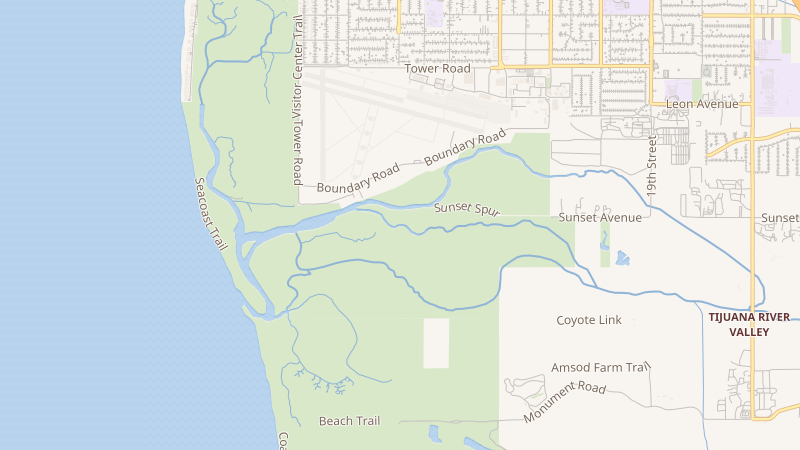
At the County Board of Supervisors, the old Tijuana River Sewage Crisis subcommittee has been converted into a permanent Standing Committee on the Tijuana River Pollution Crisis — a structural acknowledgment that the county is no longer treating the situation as a discrete emergency. The decision follows a rain event last week in which bacteria levels at Imperial Beach reached 50 times the safe threshold. Supervisor Joel Anderson, meanwhile, is pushing to change the county's practice of automatically deleting most staff emails after two years, arguing that the two-year window is insufficient to support accountability on public policy and procurement decisions. The Board also unanimously approved the Starlight Solar Project, five to zero, after the proposal had already cleared the Planning Commission.