Community Events and a Hard Look at Santee's Tax Measure
How this was made Verified AI
Every Intellegix briefing is generated from that day's broadcast and run through automated checks before it publishes — with a human paged on any flag. Here is the trail for this edition.

Tonight's community calendar offers options on both ends of the cultural spectrum. Author Mona Awad appears with Sarah Gailey at 7 p.m. in the Neil Morgan Auditorium at the Central Library; tickets are $20. Separately, the Haunted Trail at Balboa Park opens tonight at the corner of Balboa Drive and Eighth Drive, running through November 1st and featuring the outdoor trail, the eXperiment Maze, and Dark Carnival beginning at 7 p.m. Friday brings Voice of San Diego's Politifest North County, where a moderated discussion between San Marcos mayoral candidates Sharon Jenkins and Mike Sannella will cover growth, housing mandates, services for aging residents, and economic revitalization — a meaningful civic event for North County voters ahead of the election.
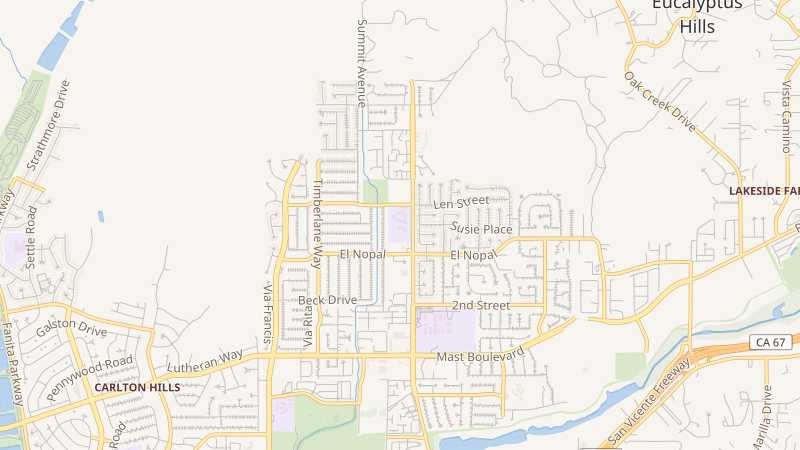
The most confident civic claim circulating in Santee right now is that Measure Y represents a straightforward, time-limited infrastructure investment: a 1-cent sales tax backed by the San Diego County Taxpayers Association, projected to generate $14 million annually to address more than $300 million in deferred city needs. The endorsement is meaningful — but the legal architecture of the measure deserves equal scrutiny. Measure Y is a general tax, not a special tax. A special tax requires two-thirds voter approval but legally binds the revenue to designated purposes. A general tax clears a simple majority threshold, but the city council retains discretion each year over how the money is actually allocated.
That distinction means the list of infrastructure priorities — streets, storm drains, fire facilities, bridges, parks — constitutes a political commitment, not a legal one. Councils change, priorities shift, and the revenue could theoretically be directed elsewhere without technically violating the ballot measure. Supporters would argue that democratic accountability through future elections is the proper check on that discretion. Critics point out that Santee's $300 million in deferred needs accumulated precisely because prior councils made choices that favored other spending.
There are additional questions worth examining. An 8.75 percent sales tax rate would place Santee above several neighboring East County cities, potentially shifting price-sensitive purchases to adjacent communities and producing actual annual revenue below the $14 million projection — an estimate almost certainly based on current consumption patterns rather than adjusted behavior. And Councilmember Ronn Hall, the sole vote against placing Measure Y on the ballot, has argued the city previously studied a half-cent increase; if that smaller increment could have addressed meaningful infrastructure deficits at lower resident cost, the jump to a full cent warrants explanation. Voters seeking clarity should bring the specific legal-accountability question — what mechanism prevents general tax revenue from being spent on non-infrastructure priorities — to the October 8th Measure BB town hall at Cajon Park, where city staff will be available to respond directly.