Heat Hazards, a Hit-and-Run, and Testing the City's 'Fixed by Friday' Confidence
How this was made Verified AI
Every Intellegix briefing is generated from that day's broadcast and run through automated checks before it publishes — with a human paged on any flag. Here is the trail for this edition.
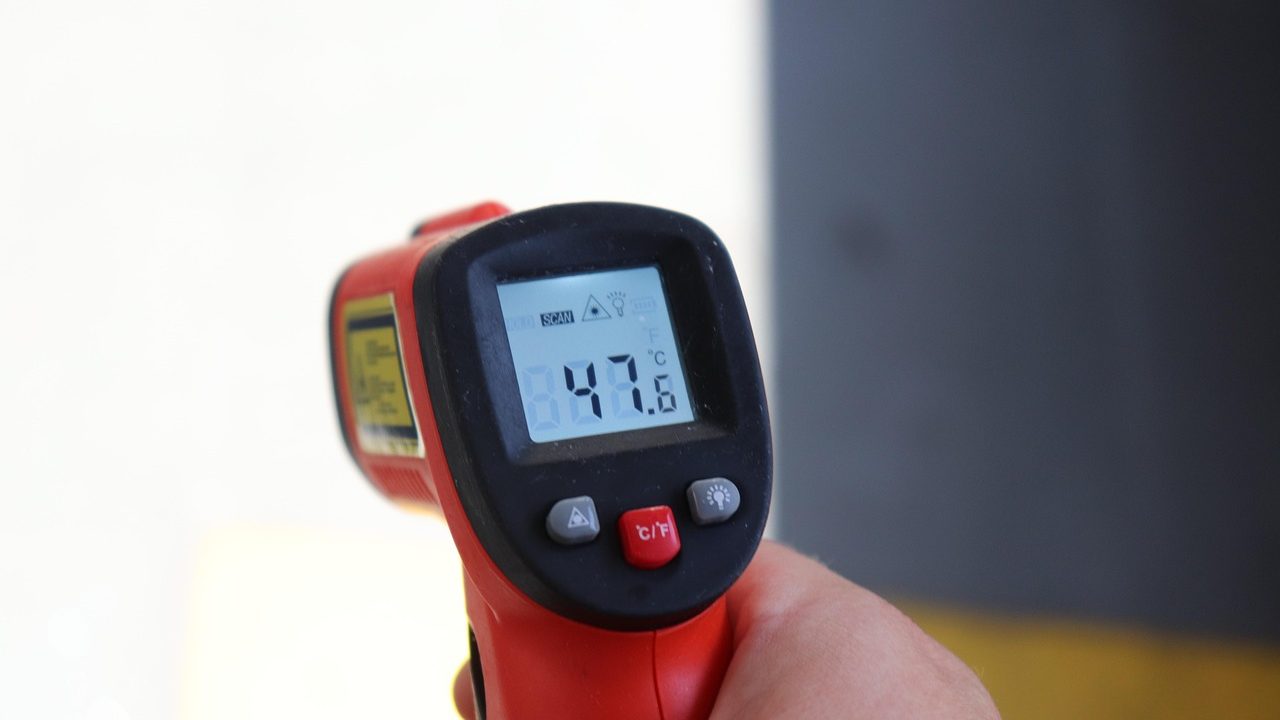
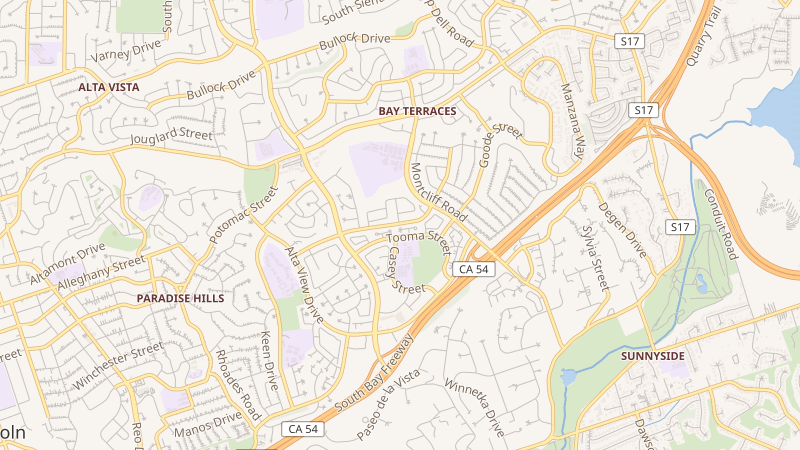
The National Weather Service has issued a Beach Hazards Statement for San Diego County coastal areas running through Sunday afternoon, with Saturday expected to be the peak heat day for most areas west of the mountains. The NWS describes the risk as minor to moderate HeatRisk; the specific concern is the combination of above-normal temperatures and elevated coastal humidity, which impairs the body's ability to cool itself through perspiration. Forecast highs run 75 to 86 degrees along the coast, 85 to 93 inland, up to 95 in the mountains, and 101 to 105 in the deserts. Tonight's downtown San Diego low is expected to hover around 66 degrees. Tropical moisture is anticipated to increase cloud cover later in the weekend, with a chance of showers or thunderstorms over the mountains and cooler conditions developing Sunday into early next week.
A separate public-safety matter warrants attention: a bicyclist was killed in a fatal hit-and-run in South County, with reporting published September 23rd. Identification, arrest details, and a vehicle description were not available in Friday morning's source material, and the case remains active. Anyone with information relevant to a hit-and-run involving a bicyclist in the South Bay area this week is urged to contact the San Diego County Sheriff's Department. Saturday also brings the Continental Cup, USA versus Mexico, at Frontwave Arena at 7 p.m., with tickets listed from $26 to $90.
The most confident civic claim of the day — that the trash-billing error is essentially resolved, with affected residents to be contacted and the city's portal already showing correct data — deserves stress-testing. For the correction to work as the city describes, multiple systems must perform correctly in sequence: the portal data must actually be accurate and not merely described as accurate; direct outreach must reach all 87,000 households in a timeframe that is meaningful for those who have already made payment decisions; and the county's tax systems must reconcile the corrected city data cleanly before any automated collection action could trigger against erroneously billed accounts.
The failure mode of greatest concern is residents who have already paid the incorrect amount. A correction in the city's billing system does not automatically generate a refund; identifying overpayments, processing them, and issuing refunds or credits requires a separate, explicitly staffed process that could extend weeks or months if not set up deliberately. There is also a transparency question about the figure itself: the 87,000 count comes from the city, and whether it matches the county's own tally of bills carrying erroneous data has not been publicly confirmed.
If the city's optimism is warranted, the evidence will be specific and traceable in the coming weeks: a public accounting of how many refunds or credits were issued to residents who overpaid, and confirmation from the county that reconciliation was clean with no automated collection actions triggered. If, instead, residents begin reporting in mid-October that they paid incorrectly and cannot obtain refunds, or that county records still reflect the old figures, the indication will be that a data error was actually a structural systems problem with deeper roots — one that a single patch did not resolve.