Power Outages, a Suicide Prevention Resolution, and Stress-Testing the Cruise Boom
How this was made Verified AI
Every Intellegix briefing is generated from that day's broadcast and run through automated checks before it publishes — with a human paged on any flag. Here is the trail for this edition.
The San Diego County Board of Education adopted Resolution 2026-29 this month, formally declaring September 2026 Suicide Prevention Month and calling on school districts, public agencies, health providers, businesses, and residents to increase awareness and programming around suicide prevention and youth well-being. The practical weight of the resolution depends on what individual districts and agencies do with it in terms of actual programming.
Saturday night's power outages affected approximately 4,400 SDG&E customers across several areas. The largest single outage hit roughly 2,974 customers in north Vista and west San Marcos. About 762 customers were affected near Twin Oaks and Hidden Meadows, and roughly 662 in East San Diego. A separate outage began in La Mesa at 5:23 p.m. Estimated restoration windows ran from approximately 8 p.m. to 11:30 p.m. Saturday; causes were listed as under investigation at the time of the report. Customers uncertain about their current status should confirm directly with SDG&E.
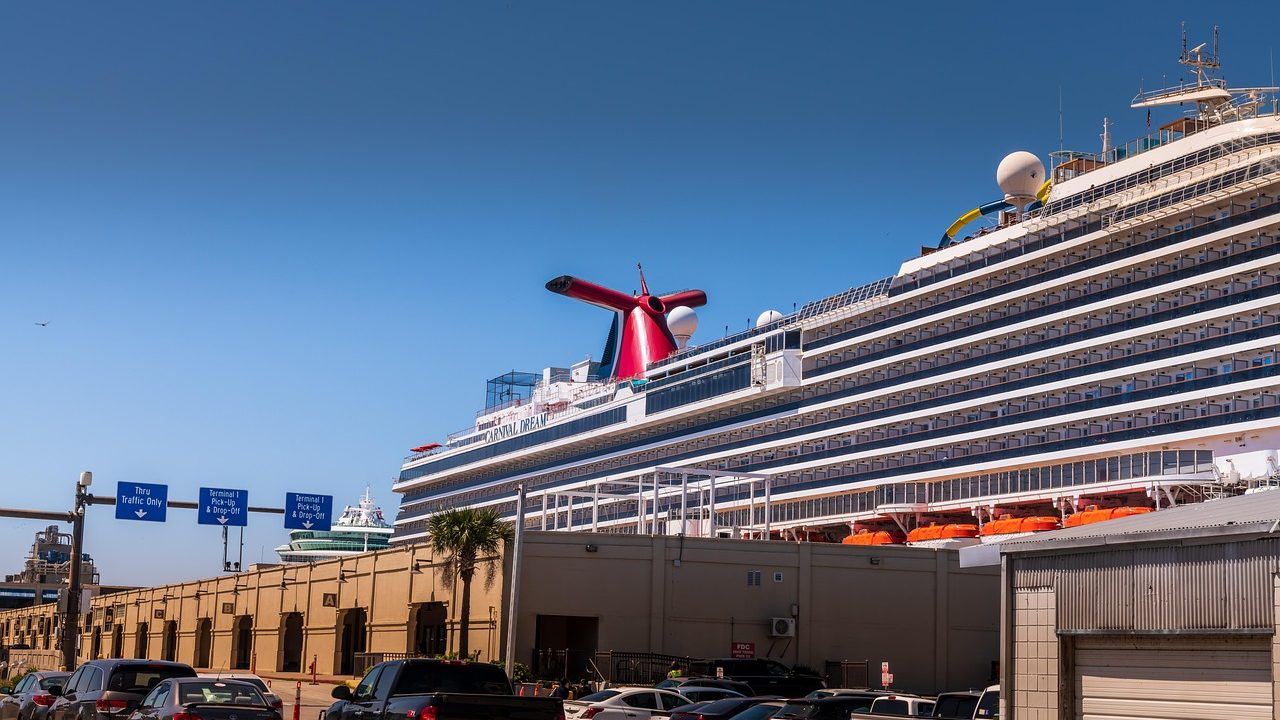
The Port of San Diego's projection of more than 700,000 cruise passengers in the 2026–27 season — up from 389,000 last year, with ship calls expected to rise 68 percent — merits a careful read before being accepted at face value. Cruise lines routinely adjust deployments based on demand, fuel costs, and market conditions, meaning the 68 percent increase in scheduled ship calls is an input assumption, not a guaranteed outcome. If Royal Caribbean or Disney shift even a portion of that capacity to other home ports, the passenger figure drops substantially.
There is also a distributional question. Research on cruise tourism consistently finds that per-visitor spending in a destination port is significantly lower than comparable hotel-based tourism, since cruise passengers typically eat most meals onboard, book excursions through the ship, and spend compressed hours ashore. Seven hundred thousand arrivals is therefore not equivalent to 700,000 hotel guests' worth of economic activity. Infrastructure constraints compound the uncertainty: if ship calls rise 68 percent, simultaneous large-vessel arrivals could strain traffic logistics, shuttle operations, and pier access at San Diego's downtown cruise facilities in ways that affect the visitor experience.
Two indicators would signal early whether the projection is on track: confirmed ship calls versus the 183 scheduled, trackable through Port arrival data; and hotel occupancy and downtown restaurant revenue figures from the San Diego Tourism Authority. If cruise arrivals are genuinely driving broad economic activity ashore, those metrics should move proportionally. The Ruby Princess opened the season Monday, and a clearer picture should emerge by November.