Ghost Daycare Fraud Diverted Millions Meant for Low-Income Families — and Exposed Oversight Gaps
How this was made Verified AI
Every Intellegix briefing is generated from that day's broadcast and run through automated checks before it publishes — with a human paged on any flag. Here is the trail for this edition.

Federal prosecutors have charged twelve San Diego County defendants — six men and six women, ages twenty-five to sixty-three — with combinations of wire fraud and money laundering in what they describe as a ghost daycare scheme. All twelve were arrested September 10th following twelve search warrants executed at county homes tied to licensed childcare operations. The funds allegedly diverted were childcare subsidies intended to support low-income families, making the direct victims working parents who lost access to support they were entitled to and children who were supposed to be receiving care.
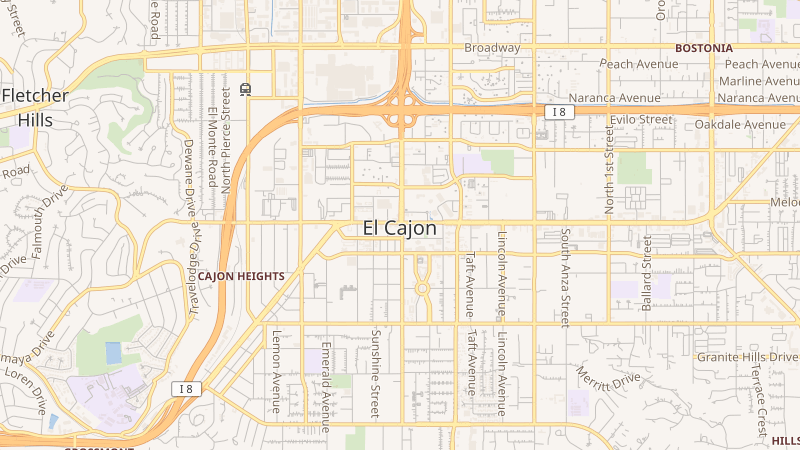
The core allegation is that the providers submitted false attendance records for children who either rarely or never actually appeared, and in some cases claimed to be operating their licensed facilities while physically outside the United States. Indictment specifics are striking: one named defendant, Abdulrahman Alawad of El Cajon, reportedly claimed to be caring for twenty-three children in March 2026 and twenty-five in April 2026. Surveillance allegedly recorded children at his address on exactly one occasion — during an unannounced state inspection. Prosecutors say he received approximately $300,000 in 2025 from San Diego County, the YMCA, and Child Development Associates. Other defendants in the case allegedly received between $538,000 and $1.2 million over varying periods, suggesting the scheme operated at different scales across the twelve individuals. All defendants are presumed innocent unless and until proven guilty.
The case raises questions that extend beyond the individual charges. If surveillance at one address captured children present only during a single unannounced inspection while the alleged scheme ran for years across a dozen providers and drew in over ten million dollars, the detection came late. The meaningful policy question is whether county monitoring of licensed home-care providers — separate from federal investigation — is robust enough, and whether the verification processes of legitimate organizations named as payment sources could have identified the discrepancies independently.
In Imperial Beach, sheriff's detectives are separately investigating antisemitic graffiti — including swastikas — found at two separate homes. The markings appear to have been made with black permanent marker, according to investigators. The Sheriff's Department is asking anyone with information to contact them directly or reach Crime Stoppers. The investigation is ongoing.