Ratepayers Have Until Wednesday to Question a Long-Term Padre Dam Energy Deal
How this was made Verified AI
Every Intellegix briefing is generated from that day's broadcast and run through automated checks before it publishes — with a human paged on any flag. Here is the trail for this edition.
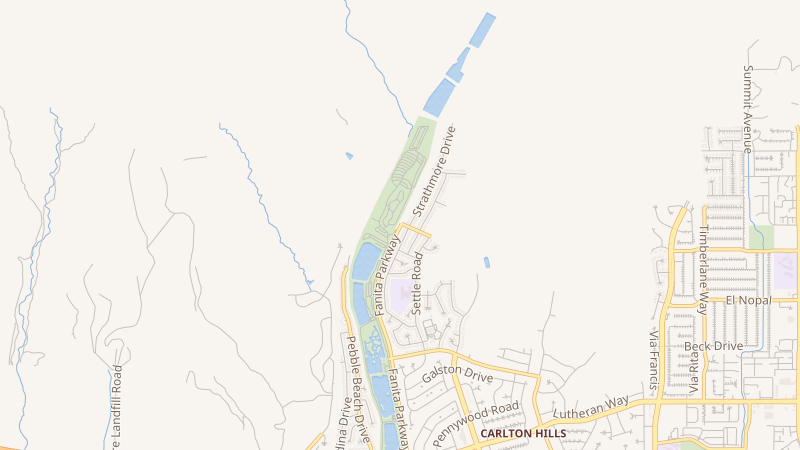
Padre Dam Municipal Water District is holding a public hearing this Wednesday, September 16th, at 4 p.m. at its offices at 9300 Fanita Parkway. The subject is a proposed energy-services agreement with a general contractor covering energy-saving improvements on district property — the kind of utility decision that rarely draws a crowd but can shape ratepayer costs for years.
Known in the industry as energy service contracts, or ESPCs, these agreements follow a straightforward premise: a contractor installs efficiency upgrades, and those upgrades pay for themselves over time through reduced energy expenditures. The board is being asked to make formal findings about whether the anticipated savings and benefits justify entering the agreement. Padre Dam serves Santee, El Cajon, and portions of unincorporated areas around Lakeside, meaning a broad base of water and wastewater ratepayers have a stake in the outcome.
The financial architecture of such agreements, however, deserves scrutiny. The savings projections embedded in ESPCs depend heavily on assumptions about future energy prices and consumption patterns — both of which are genuinely uncertain in San Diego's evolving grid environment. SDG&E rates have risen significantly in recent years, and if Padre Dam were to separately pursue solar or storage capacity, or if regional water demand patterns shift, a contractor's baseline assumptions could miss by a meaningful margin. A structural tension also exists in that the contractor typically serves as the primary source of savings verification — not fraud, but a dynamic that warrants explicit probing by board members and the public alike.
The hearing format offers residents a direct window: in-person and remote speakers typically receive three minutes each, and written comments must reach Padre Dam by 2 p.m. Wednesday, two hours before the meeting begins. Virtual access is available, removing the barrier of a 4 p.m. weekday start time. Ratepayers attending should consider asking about contract length, annual payment structure, exit provisions if savings fall short of projections, and whether independent third-party verification of savings estimates is built into the agreement. Padre Dam publishes annual audit reports; the energy expenditure line in those documents will, over the following three to four years, show whether the efficiency assumptions held.