Santee Worker Loses Both Legs; Schools Face Scrutiny Over Heat Protocols
How this was made Verified AI
Every Intellegix briefing is generated from that day's broadcast and run through automated checks before it publishes — with a human paged on any flag. Here is the trail for this edition.
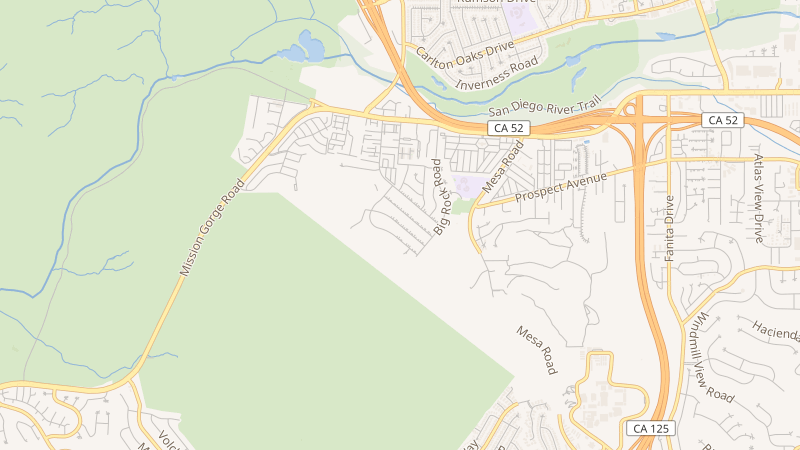
Shawn Bell, 37, a former National Guard reservist struck by a minivan on Poplin Drive in Santee on August 18, has lost both legs. Bell was standing in the roadway in a work context — helping secure furniture behind a truck — when he was hit, and was transported with life-threatening injuries. The bilateral amputation update, reported this week by Santee Pulse, fundamentally changes the nature of the story.
What has emerged alongside the medical update is a portrait of the man's response to catastrophe. Before emergency services arrived, Bell reportedly directed bystanders to use their belts as improvised tourniquets. The driver remained at the scene, and authorities have said drugs and alcohol do not appear to be factors. The investigation by Santee's Sheriff's Traffic Unit remains open, with questions about speed, visibility, and road conditions still being worked through. A GoFundMe has been established to help cover Bell's medical and ongoing costs.
The story also connects to a broader pattern of risk for workers who must occupy roadways as part of their jobs — movers, landscapers, delivery workers, utility crews — in environments not designed with their safety as a primary consideration.
On the school heat-safety question, a substantive critique of San Diego Unified's protocols deserves attention. The district's argument for keeping schools open — that campuses are cooler and safer than many students' homes — is strongest when applied uniformly. But San Diego Unified operates 175 schools, encompassing enormous variation in building age, condition, and neighborhood context. The protocol is written as if all 175 schools possess equivalent heat-management capacity; they almost certainly do not. Older facilities in lower-income neighborhoods, built before modern cooling standards, may be running warmer than newer campuses elsewhere in the district.
A concrete indicator to watch: whether any individual San Diego Unified school requests early dismissal or a modified schedule during the Extreme Heat Warning period specifically because of a cooling-system failure rather than as a precautionary measure. If contingency plans are triggered at multiple sites, that would signal that the blanket open-schools policy encountered real-world infrastructure constraints the protocol did not fully account for. Parents receiving early-pickup notifications are advised to ask specifically whether the cause was a facility temperature issue or a general precautionary step — the distinction matters for understanding how robustly the district's infrastructure held.