Markets Process a Multi-Variable Morning — Energy Futures Are the Key Signal
How this was made Verified AI
Every Intellegix briefing is generated from that day's broadcast and run through automated checks before it publishes — with a human paged on any flag. Here is the trail for this edition.
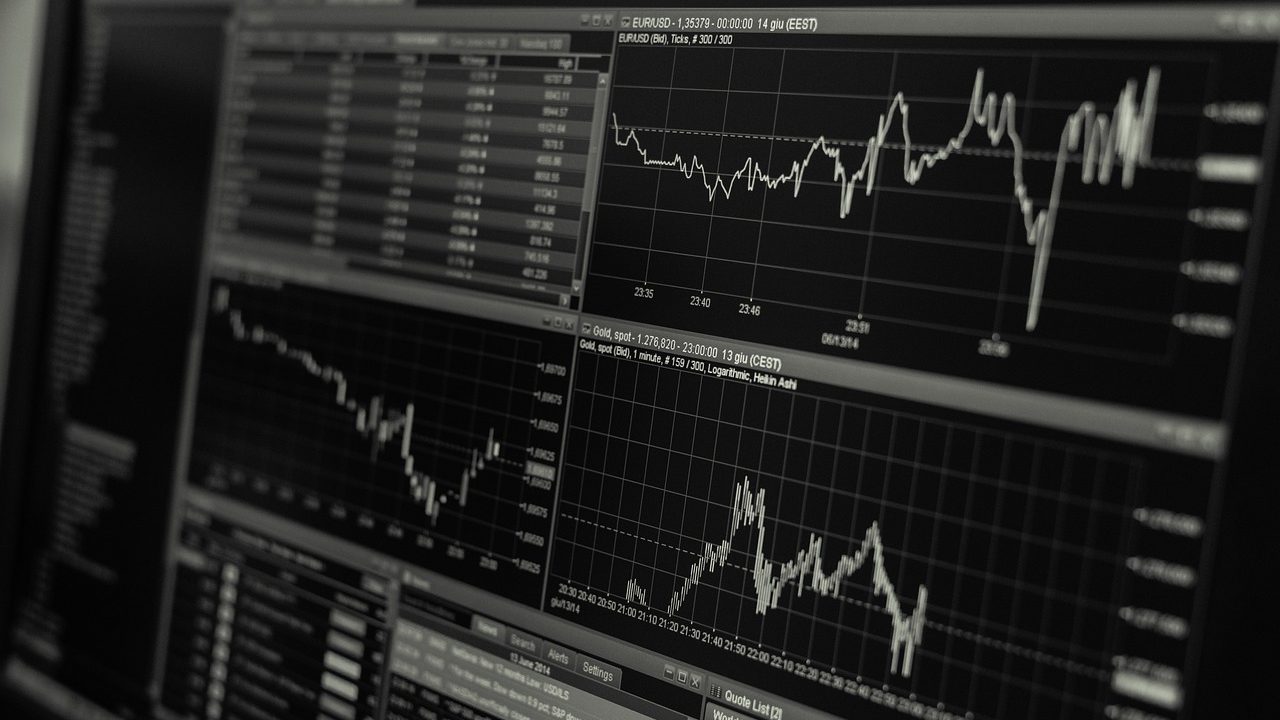
S&P futures at 7,765 — down 18.25 points, or approximately 0.23% — represent a modest decline on its face, but the overnight pattern adds texture. Futures dipped to around 7,745 at the open of overnight trading, climbed steadily to nearly 7,773 around 1:15 AM Eastern, then pulled back. That arc is consistent with markets initially absorbing overnight news, recovering on partial relief, and then reassessing as the full picture of global risk became clearer.
The Brazil component is the most direct market driver. A fund tracking Brazil's Bovespa index dropped sharply in Tokyo trading, reflecting international investors hedging their emerging-market exposure. Brazil is the ninth-largest economy in the world by GDP and a major exporter of soybeans, iron ore, and oil. Political instability at the presidential level — amplified by a U.S. president casting public doubt on the election's legitimacy — creates risk premiums that extend well beyond the Bovespa. Agricultural commodity traders in Chicago will be tracking the Brasília situation alongside futures traders in other financial centers.
The Israeli situation carries a different market profile, centered on the country's deep integration into global technology supply chains — semiconductor development, cybersecurity, and agricultural technology. A prolonged government formation crisis, or a coalition including the most radical far-right elements that then faces diplomatic isolation or sanctions from U.S. partners, could affect Israeli tech sector valuations and the Nasdaq exposure to Israeli companies. That risk is not the dominant story today, but investors with tech-heavy portfolios are advised to monitor it.
Thursday's session also falls at October month-end, when portfolio managers execute rebalancing trades to hit target allocations — a mechanical process that can amplify signals in either direction independent of the day's specific news. The clearest sentiment indicator will be energy: Brent crude and WTI futures will reveal, more directly than broad equity indices, whether markets have decided the Hormuz fire is a supply event. A move of more than 2% at the open would be a significant signal. Separately, the Brazilian real versus the U.S. dollar will serve as the most direct read of international investor confidence in Brasília's political stability.