FEMA Tells States to Go It Alone — at the Worst Possible Moment
How this was made Verified AI
Every Intellegix briefing is generated from that day's broadcast and run through automated checks before it publishes — with a human paged on any flag. Here is the trail for this edition.
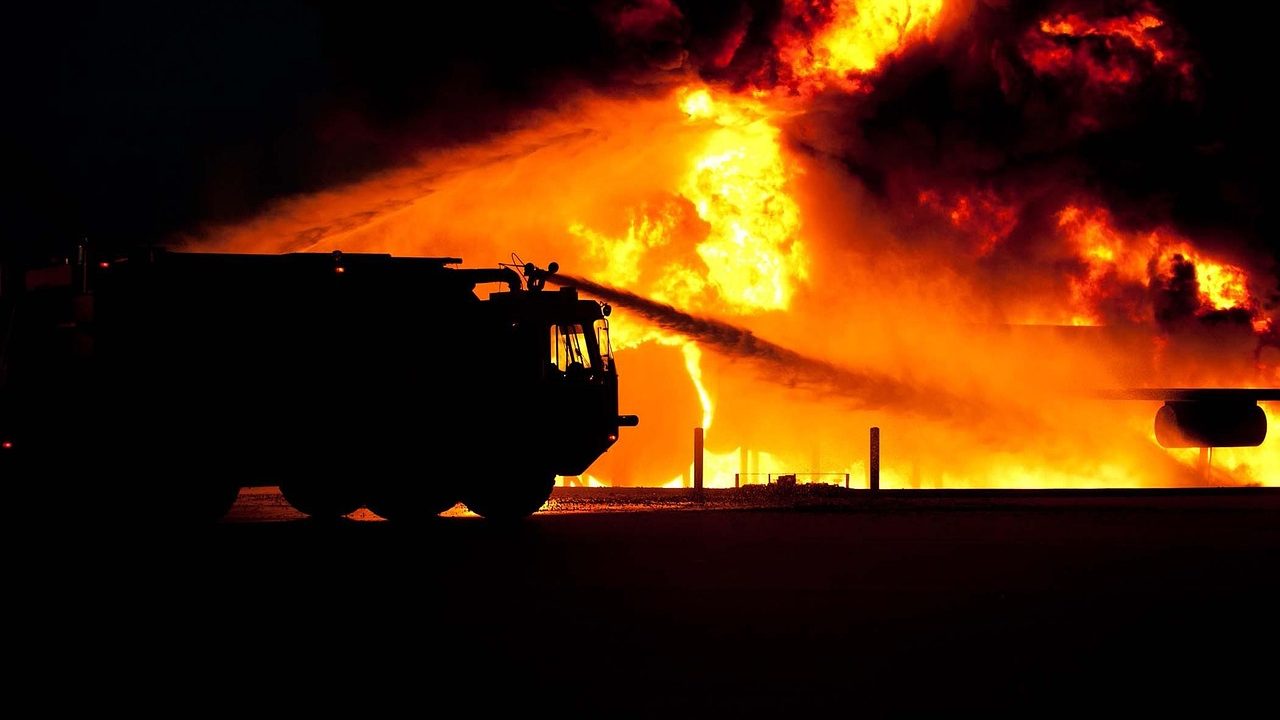
FEMA Director Hamilton issued guidance signaling a retreat from the federal coordination role the agency has played since it was reorganized under the Post-Katrina Emergency Management Reform Act of 2006, telling states to handle disasters independently. The stated rationale is empowering states and reducing federal dependency. The operational reality is more complicated. FEMA's role under the Stafford Act has been to supplement state capacity when events exceed what states can manage alone, provide coordination across state lines when disasters affect multiple jurisdictions simultaneously, and deliver financial assistance at a scale no individual state can replicate. That function is felt most acutely in lower-capacity states with smaller tax bases, smaller National Guards, and more limited mutual aid agreements.
The logistics dimension is frequently overlooked in policy debates. FEMA maintains pre-positioned supply caches, trained search and rescue teams, emergency communications infrastructure, and coordination protocols with the Department of Defense. The Interstate Emergency Management Assistance Compact allows states to share resources but functions best with federal coordination at the center. Diminishing that center degrades the compact's effectiveness without providing states the resources they would need to independently replace it. Shifting accountability without shifting resources, in that analysis, is not devolution of power — it is devolution of liability.
Timing compounds the concern. Late October marks the tail end of hurricane season and the approach of peak California wildfire season, when Santa Ana winds typically drive the most destructive fire events in November and December. If Hamilton's guidance creates ambiguity about federal response responsibilities, it does so at precisely the moment when clarity matters most. The political context is also relevant: Hurricane Helene in 2025 became a significant controversy over federal response coordination, and the current FEMA posture appears partly shaped by a desire to shift accountability — and future blame for response failures — to states.